The School of Communication Sciences from the Francisco de Vitoria University (UFV) has developed in collaboration with The Hague University of Applied Sciences and the Stuttgart University of Media Arts programme 's international team Video Games, Storytelling, and European Heritage. The initiative has brought together students from the three institutions in Madrid to create video game projects related to storytelling and European cultural heritage.
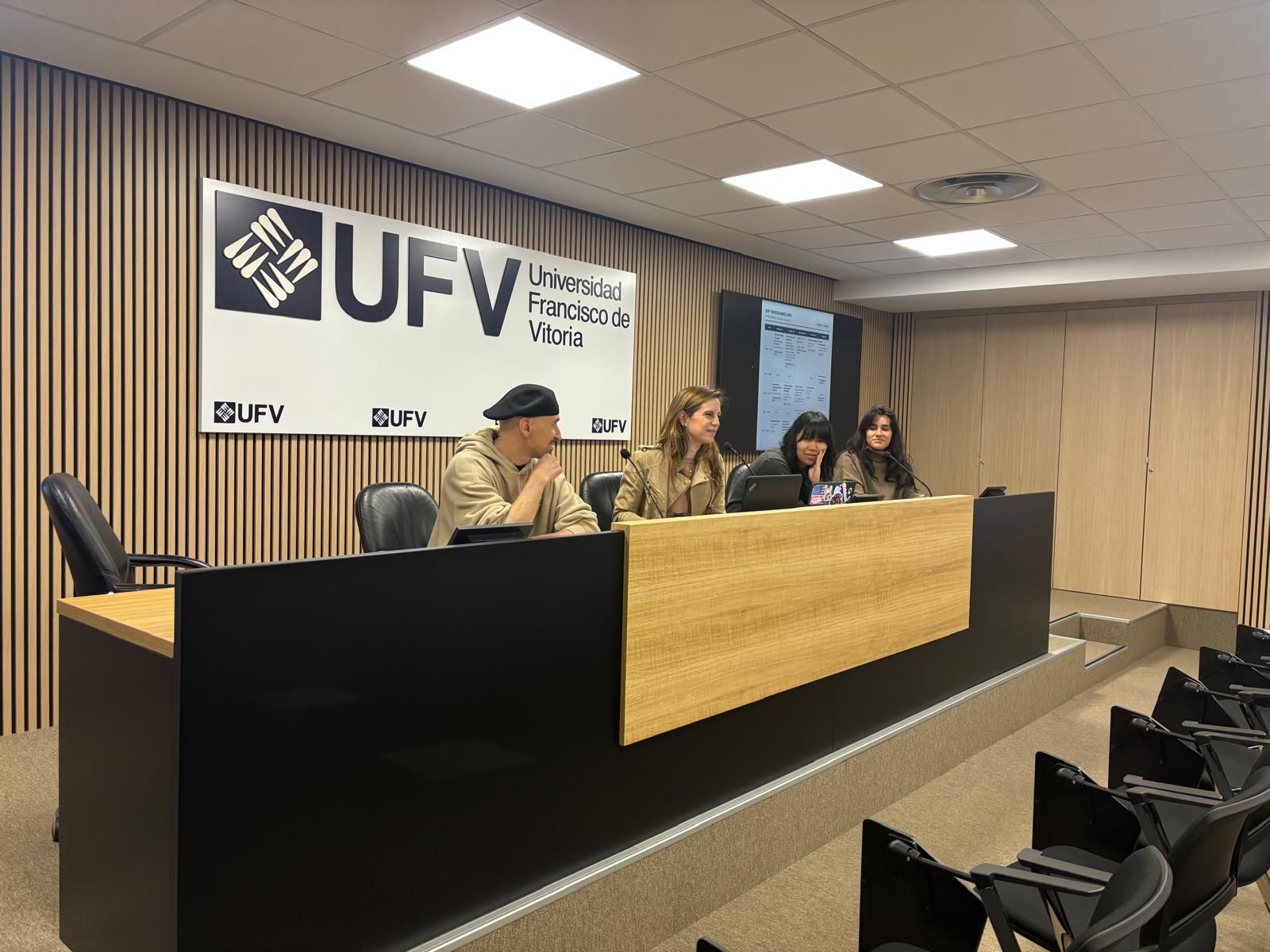
Promoted from the Bachelor's Degree Video Game Design and Storytelling, the " programme " program incorporates international collaboration into academic training and expands the School's relationships with other European institutions. For one week, participants worked in English in teams made up of students from different countries, sharing knowledge and approaches to video game development.
The initiative was carried out under the following format: Blended Intensive Program (BIP), an intensive blended “ programme ” program that combines online learning with short-term international study abroad. This format allows students to incorporate an international experience into their studies and collaborate with students and faculty from other universities.
European Academic Collaboration Aimed at Continuity
programme strengthens the relationship between the School of Communication Sciences and the participating institutions and plans to continue the program in future editions. Following this first event on the UFV campus, subsequent events are scheduled to take place at the campuses of the partner universities.
This collaboration offers new opportunities to share projects, compare perspectives, and learn about different approaches to video game development in European universities.
“This BIP has provided an opportunity to strengthen our collaborative ties with the University of Stuttgart's School of Media. "Negotiations are currently underway to sign an agreement that will help advance the Faculty's internationalization strategy," he notes Sonia Sánchez, Associate Dean for Internationalization in the School of Communication Sciences.
Video Game Development in International Teams
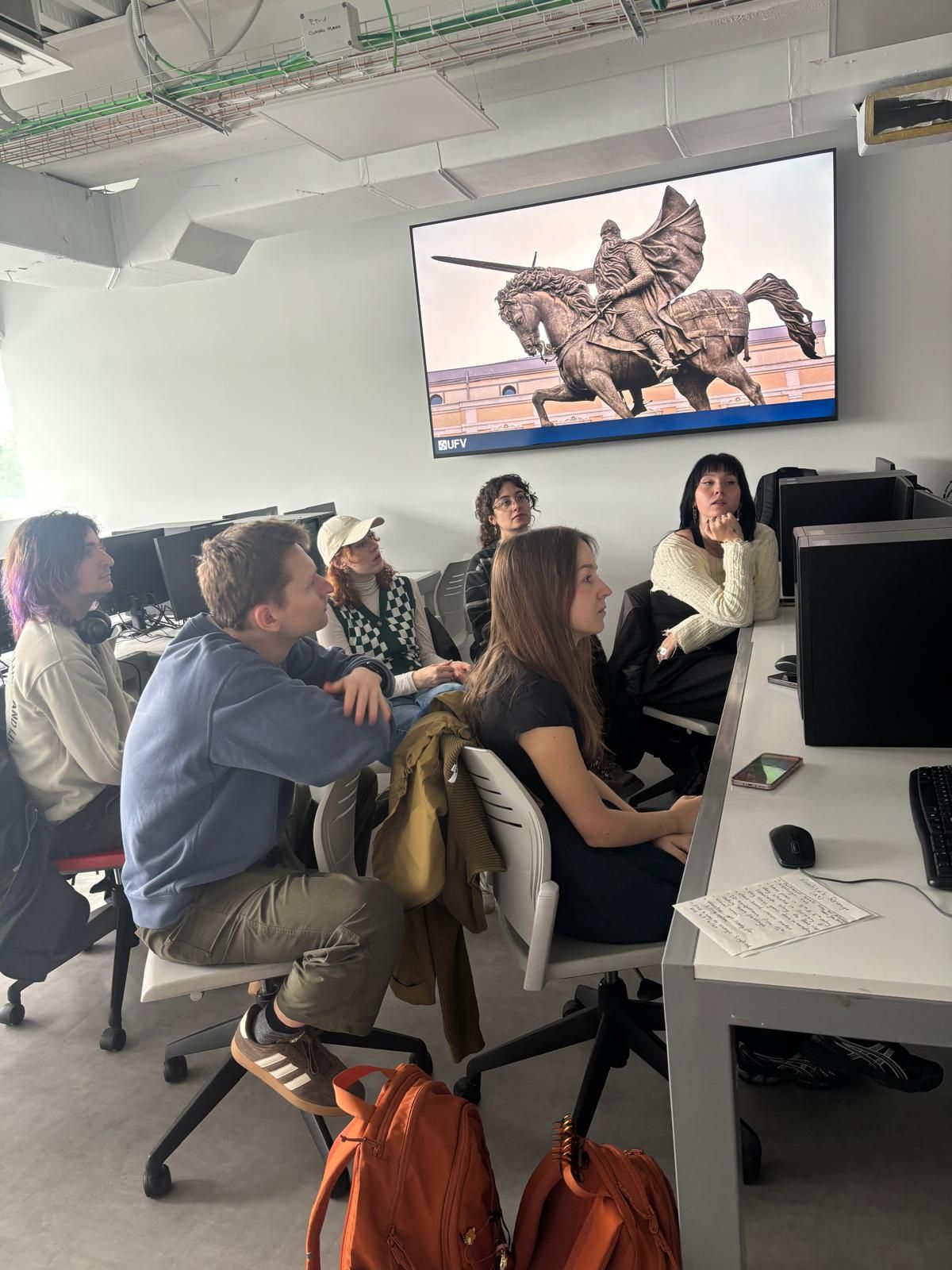
During the event, the students explored how video games can bring European cultural heritage to new audiences. To that end, they participated in design and storytelling workshops and supervised work sessions, which culminated in the presentation of their proposals to faculty and peers from the three institutions.
Working together in English has allowed them to exchange ideas, make creative decisions, and present their projects in an international setting. These skills complement their technical training and are essential for professional practice in an industry where professionals from different disciplines and countries collaborate.
Borja Barinaga, a professor at UFV and organizer of the programme, highlights the value of learning how students from other European Union countries work. These experiences also provide opportunities to network and explore career paths within the video game industry.
Industry Connections and Support for Entrepreneurship
The academic experience was rounded out with meetings with industry professionals and a visit to Madrid in the Game, an initiative of the Madrid City Council dedicated to the development of the video game ecosystem, innovation, and entrepreneurship.
During the visit, participants explored spaces and initiatives related to video game development and gained insight into the workings of an industry where creativity and technology come together.
The " programme " thus bridges the gap between European academic collaboration and professional expertise. For the " Bachelor's Degree " in Video Game Design and Narrative, this means incorporating shared experiences with other universities into the curriculum and offering students new perspectives to develop their projects and shape their professional futures.