A study published in the scientific journal The Arts in Psychotherapy highlights the potential of the Dance Movement Therapy to support the recovery processes of women who are survivors of gender-based violence. The study found a significant improvement in self-esteem following a six-month intervention at a specialized center in the Netherlands.
The research involved the participation of Rosa María Rodríguez-Jiménez, professor and researcher at the School of Education and Psychology from the Universidad Francisco de Vitoria, who contributed to the conceptualization of the study, the methodological design, the data analysis, the supervision, and the preparation of the manuscript, in addition to serving as the corresponding author.
Self-esteem, the primary outcome observed
The main change identified was in self-esteem. The median score went from 18 to 25.5 points Following the intervention, the women who completed the pre- and post- programme assessments showed a clinically meaningful improvement in this variable.
The study combined quantitative and qualitative methods. In addition to self-esteem and anxiety scales, the researchers analyzed interviews, focus groups, and visual materials created during the sessions. This approach also made it possible to observe changes related to greater body awareness and the identification of personal needs, the ability to set boundaries, and rebuilding trust.
“This pilot study highlights the potential of arts-based therapies—and, specifically, dance movement therapy—to strengthen self-esteem, autonomy, and body awareness in women who have experienced gender-based violence. Although the results should be interpreted with caution, they open up a line of research for further exploration of more comprehensive forms of therapeutic support.”, explains Rosa María Rodríguez-Jiménez.
A program tailored to each participant's pace
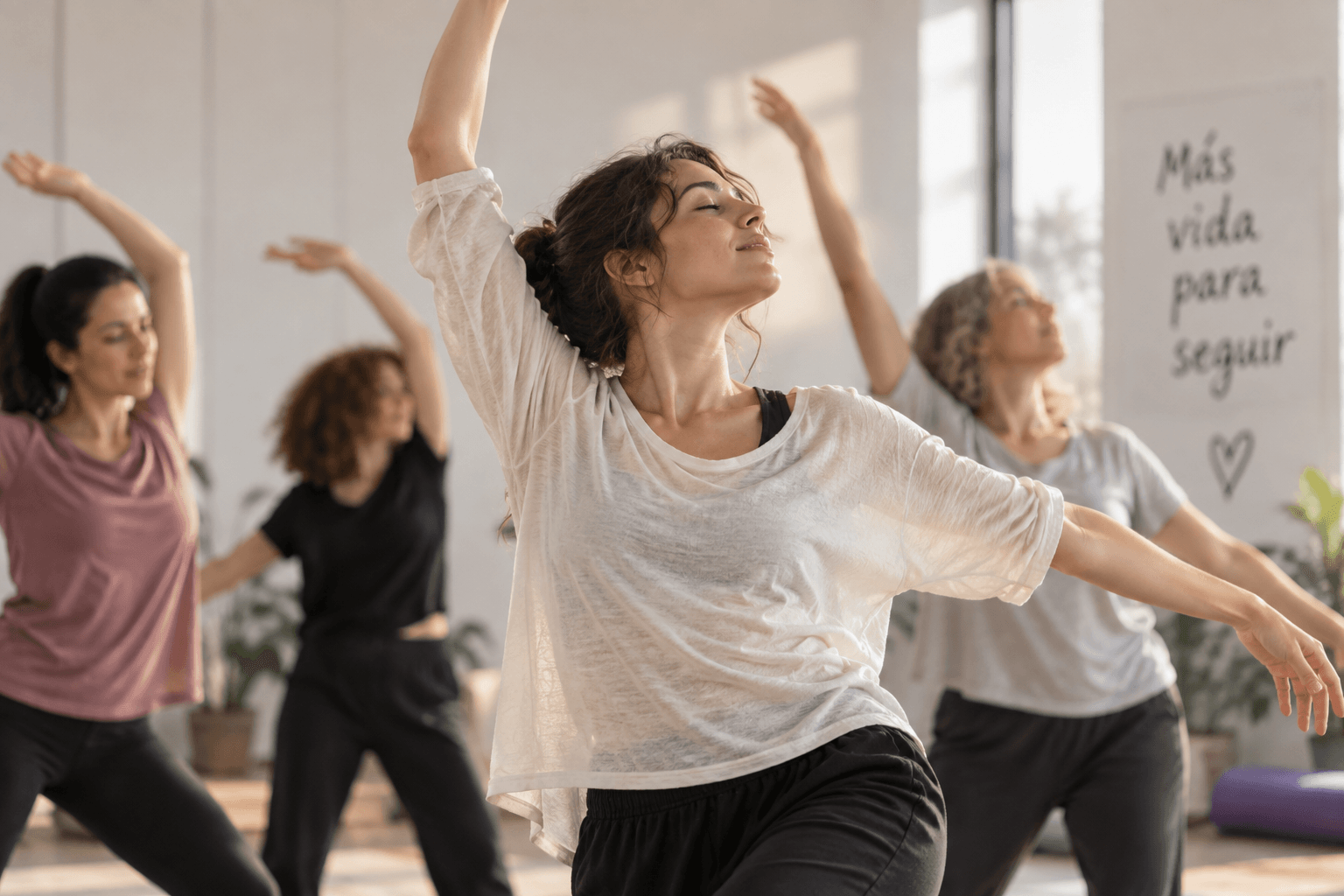
The performance combined movement, artistic expression, and resources derived from dance, introduced gradually and adapted to each woman's pace. The goal was to create a space for self-expression and physical exploration that would allow participants to explore emotions, sensations, and new ways of relating to their own bodies.
The study thus offers a perspective that integrates various dimensions of recovery and focuses not only on psychological indicators but also on the participants’ bodily and relational experiences.
The results related to anxiety were more heterogeneous and did not reach statistical significance. The authors therefore emphasize the need to interpret the data with caution and to continue researching with larger samples.
A line of research focused on a comprehensive understanding of the individual
This study is a pilot project, and its results cannot be generalized. Its contribution lies in raising new questions about the role that the body, movement, and artistic expression can play in the recovery processes psychological impact following an experience of violence.
The participation of Francisco de Vitoria University is part of an approach to research that is oriented toward understanding the person in all its complexity and generate knowledge that helps improve support and care processes.
From this perspective, the study aligns with an approach in psychology that takes an integrated view of the emotional, physical, and relational dimensions of the individual and opens up new avenues for studying which elements of these interventions can most clearly contribute to strengthening the self-esteem and autonomy after experiencing violence.