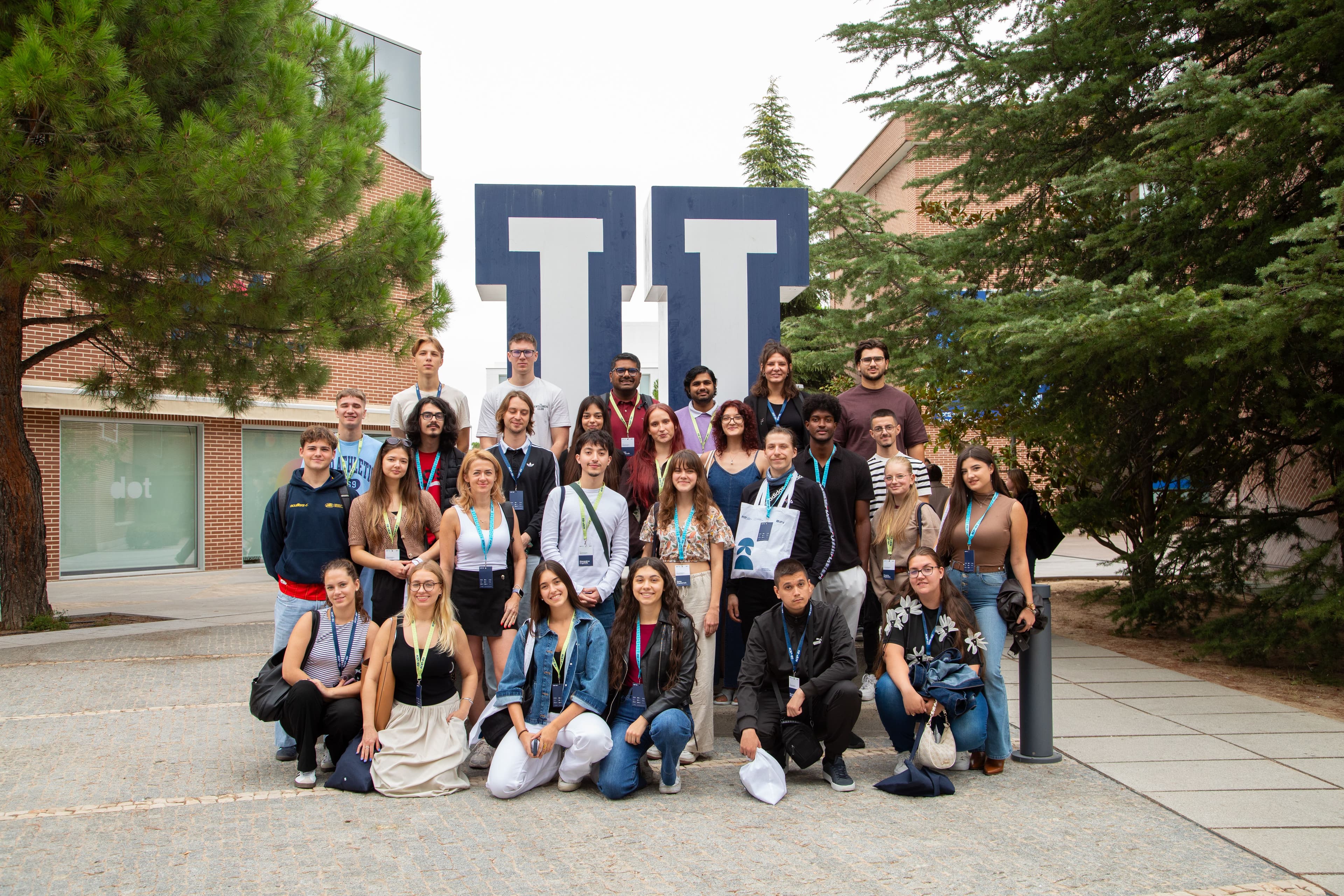
The Universidad Francisco de Vitoria (UFV) held the third edition of The Body Week from July 1–5, 2026, a formative experience organized by the UFV Institute for Development and the Person to explore the Theology of the Body of St. John Paul II through five days of formation, prayer, the sacraments, liturgy, fellowship, and personal encounters.
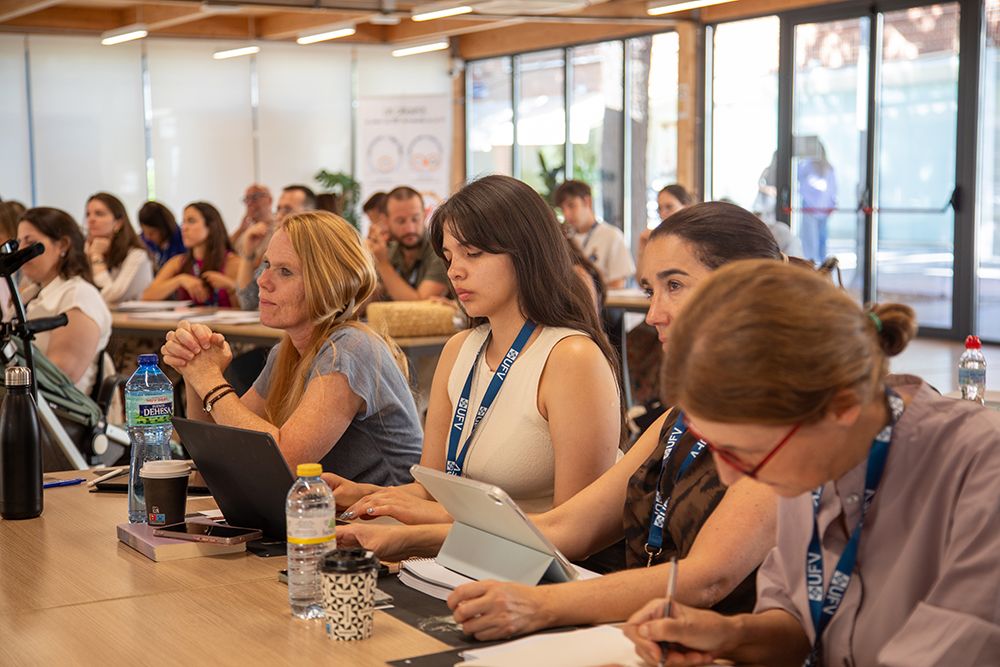
Conceived as a break from the usual routine, The Body Week invited participants to pause, share, and rediscover the meaning of the body from a Christian perspective. The experience combined academic sessions with Eucharistic celebrations, times of adoration, community gatherings, music, and moments of fellowship.
Based on the idea that God also communicates through the body, the program addressed issues related to creation, identity, vocation, redemption, emotional life, and the relationship between the body and the person.
Cinco días para detenerse y profundizar
The Body Week was presented as an immersive experience designed to encourage personal and communal reflection.
More than just a conventional course, the program sought to provide a space for reflection. A week to step away from the daily routine, reconnect with fundamental questions, and delve deeper into one’s own story from the perspective of the person as defined by St. John Paul II.
Over the course of five days, participants took part in an programme consisting of nearly 30 hours of training, accompanied by liturgical celebrations, small-group meetings, and opportunities for fellowship.
La creación, el cuerpo y la vocación humana
The programme covered some of the major themes of the Theology of the Body.
The first sessions focused on the creation accounts in the Book of Genesis and their significance for understanding human identity. Drawing on these texts, the participants explored issues such as the unity between body and person, the calling to encounter, and the meaning of sexual difference.
These sessions provided an opportunity to reflect on the Christian view of the body—not as something separate from the person, but as an essential dimension of that person’s identity and capacity to relate to others, to love, and to give of oneself.
Speakers included Marta Rodríguez, Fr. Jaime Rodríguez, L.C., Gonzaga de Bofarull, Blanca Guasch, Fr. Mairon Gavlik, L.C., Rosario Pelayo, Rafael Gil, Paula Pamies, Pablo Beuchat, María Fernández, José Alejandro Martínez Castro, and Anelena Hueda.
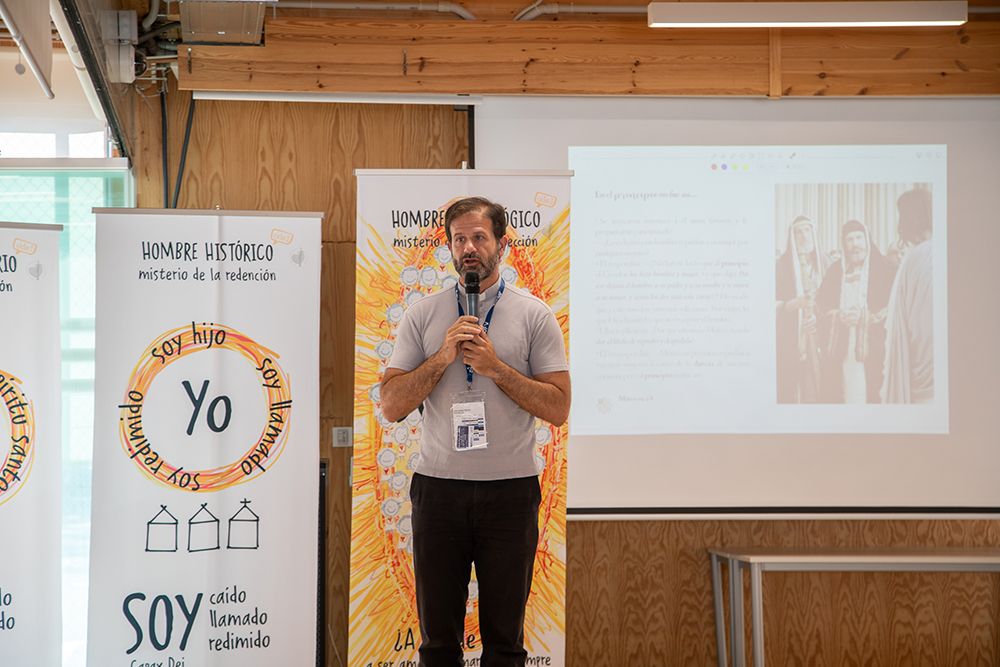
The sessions combined theoretical presentations, open-ended questions, and opportunities for dialogue. This structure made it possible to relate the teachings of the Theology of the Body to concrete experiences related to emotional life, vocation, married life, consecration, and accompaniment.
Música y encuentro como parte de la experiencia
Music was a part of the week thanks to Rogelio Casasola, a Catholic singer-songwriter involved in promoting the Theology of the Body.
Their participation was a part of various segments of programme reinforced the experiential nature of an initiative that sought to integrate thought, spirituality, artistic expression, and community.
This combination of languages made it possible to approach the Theology of the Body not only through study, but also through personal and communal experience.
Una propuesta del Instituto Desarrollo y Persona UFV
The Body Week was organized by the Instituto Desarrollo y Persona at Universidad Francisco de Vitoria, in collaboration with Amor Seguro and Pastoral UFV.
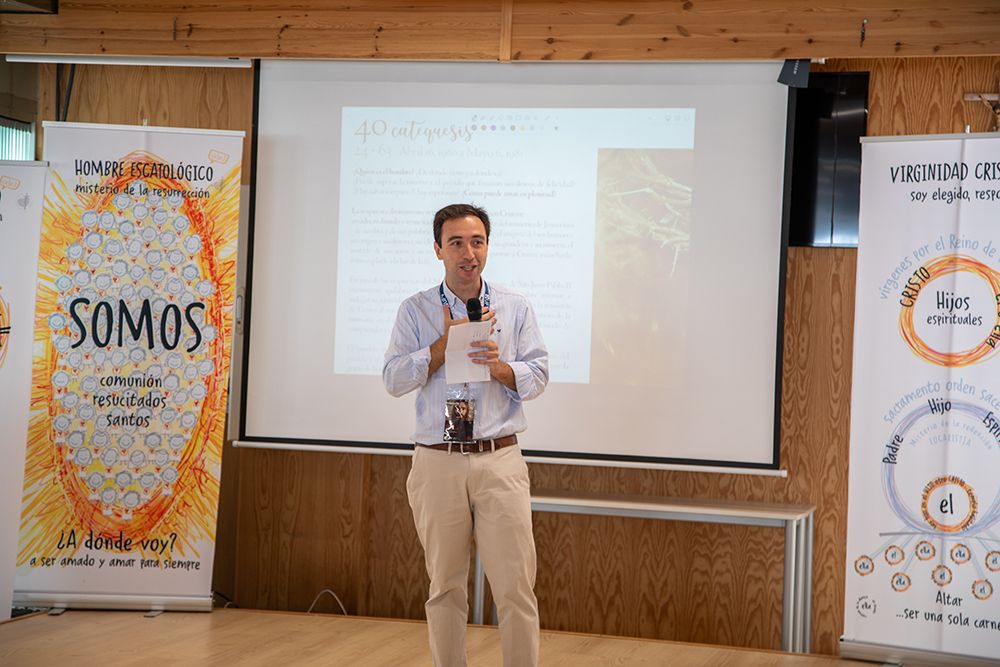
Through this initiative, the UFV fostered a space for holistic formation centered on human dignity, the value of the body, and the vocation to love.
The third edition established The Body Week as an experience for coming together and delving deeper into St. John Paul II’s Theology of the Body, with a program that combined academic reflection, spiritual life, and community.
Over the course of five days, participants were able to pause, share questions, and discover new insights into how the body expresses each person’s identity, relationships, and calling to self-giving.