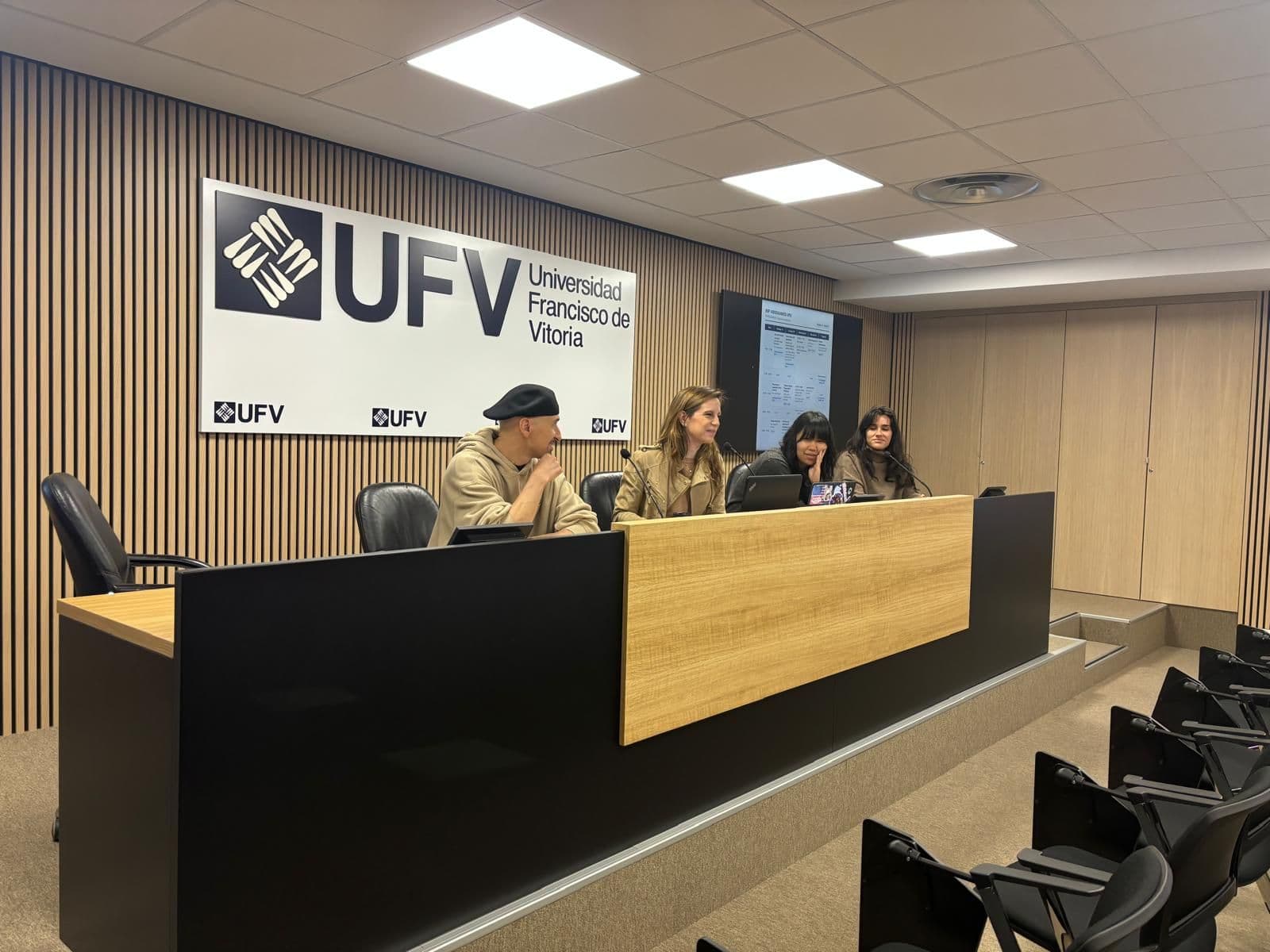
Working with specialists from other fields, taking on responsibilities, and being able to explain how scientific knowledge is applied to a specific problem are skills that the pharmaceutical industry values in new hires. This was one of the main conclusions of the event on career opportunities in the pharmaceutical industry, organized by the School of Experimental Sciences from the Universidad Francisco de Vitoria (UFV) as part of the UFV Job Fair 2026.
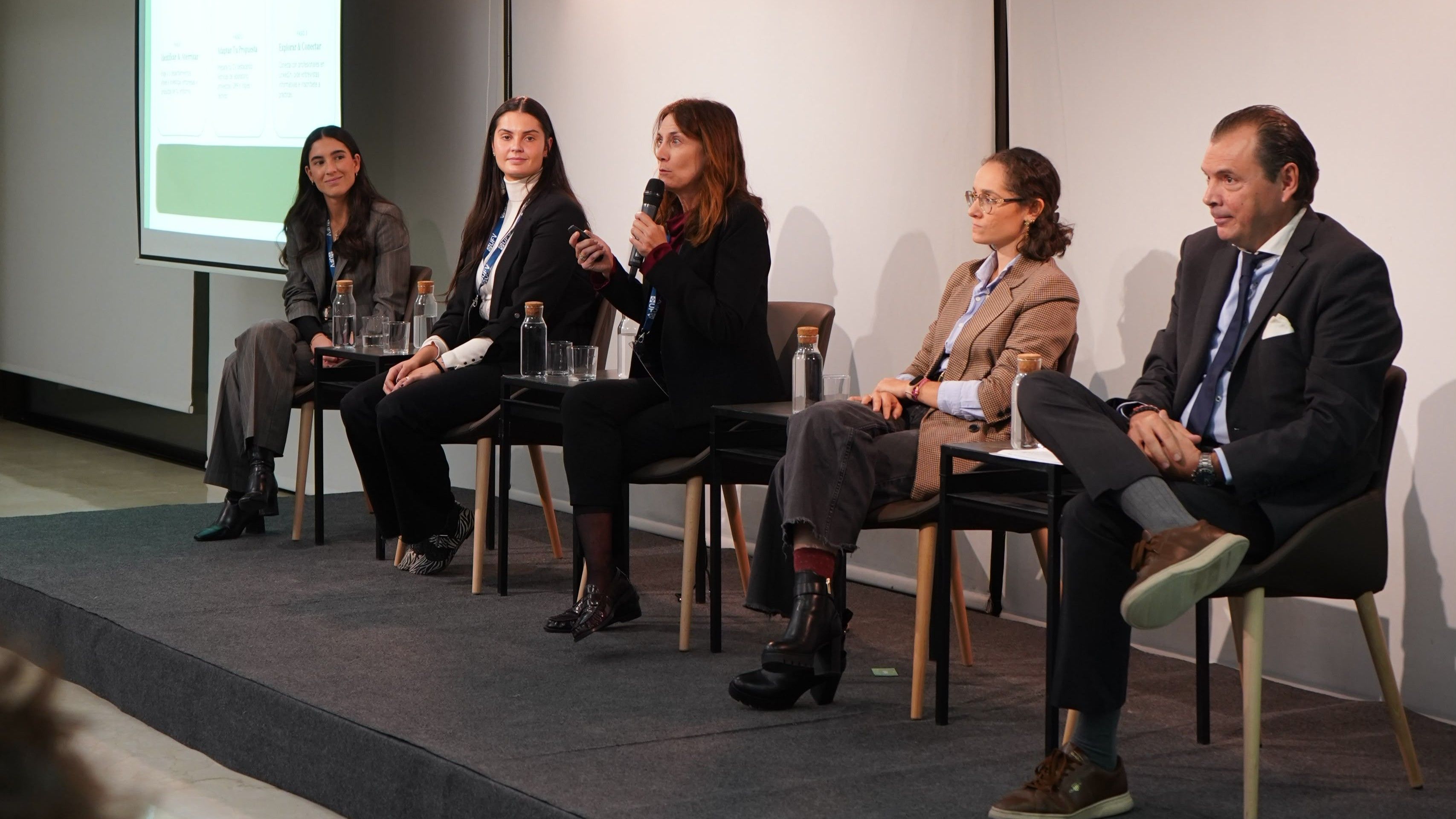
The School incorporates dialogue with companies and recruitment specialists into the career guidance for undergraduate programs such as Pharmacy and Biotechnology. Understanding how clinical research, manufacturing, and quality control work helps students identify where they can apply their training and what skills they need to develop for each role.
On the other hand, the industry is highlighting a new competency model in which human competencies take center stage. “I think we’re also very fortunate that at this university, train you in the human aspect, "because that's what will clearly set you apart from everyone else," Strammer noted. According to the UFV Employability Barometer 2026, 85.1% of graduates rate the education in humanistic values they received during their time at the university positively. In addition, they rate its application in social and work settings at 7 out of 10 and its contribution to improving their professional profile at 6.9, reflecting the importance of a well-rounded education in their personal and professional development.
Professional Standards in an Industry That Incorporates AI
The pharmaceutical industry exceeds 63,000 direct jobs in Spain and the 71% of its professionals hold a college degree, according to the employment report released by Farmaindustria in November 2026. The same report notes that the 96% of the companies surveyed values training in digitalization, artificial intelligence, and automation.
In this context of need, the UFV views artificial intelligence as a tool for expanding students’ knowledge and professional skills. In the pharmaceutical industry, this translates into specific situations. A tool can help review technical documentation; the professional verifies the sources, assesses which information is relevant, and explains to the team the basis for their decision. The ability to verify, communicate, and take responsibility for a conclusion is part of the preparation required to work in a regulated industry.
Collaborate and take on responsibilities in scientific work
The representatives of Strammer, a consulting firm specializing in the life sciences, highlighted teamwork and accountability as among the skills valued in the hiring process. The development of a drug involves professionals from research, production, and quality assurance. The work of each team depends on the other teams’ ability to understand their results, know your limits and use them to make decisions.
Understand the industry to decide where to invest
"Your challenge is to get to know yourselves and make yourselves known," he said Lourdes Palacios, technical director of Cantabria Labs. The same scientific degree can lead to different career paths. Understanding the differences between clinical research, manufacturing, and quality control helps guide the job search and allows candidates to use examples to explain what they can bring to a position.
Carlos Reyes, commercial director of Systems and Product Certification at IMQ Ibérica, expanded that professional scope to include audits and certification of medical devices. In these roles, scientific training is combined with knowledge of regulations and the ability to substantiate a safety and quality assessment.
From Drug Manufacturing to Global Strategy
Silvia Gallego, a former student in the Pharmacy and Biotechnology program at UFV and head of Global Strategy and Engineering at Pfizer, he described how a career in the industry can unfold. He started at a plant that manufactures injectable medications for rare diseases and later took on roles in business development and operational excellence. Reflecting on his time at the university, he highlighted the dedication of his professors and how the education he received helped him connect scientific knowledge with a sense of responsibility toward patients.
The event concluded with a session of brief interviews in which 18 students from the School of Experimental Sciences They practiced with three Strammer professionals on how to present their profiles.
The value of collaboration with industry lies in the fact that it allows the School of Experimental Sciences incorporate these requirements into career guidance starting in undergraduate programs. For Pharmacy and Biotechnology students, this exposure helps them identify where to apply their knowledge and understand what is expected of them when they work with specialists from other fields and make decisions that affect product quality or patient safety.
As artificial intelligence becomes integrated into scientific work, this training takes on concrete value for employability. A tool can streamline the review of technical documentation. Professionals need to understand the discipline to detect errors, assess whether the evidence supports a conclusion, and explain to the team how they reached it. To prepare graduates who are capable of applying that judgment and taking responsibility for their decisions It is part of the School's contribution to an industry that works to serve public health.