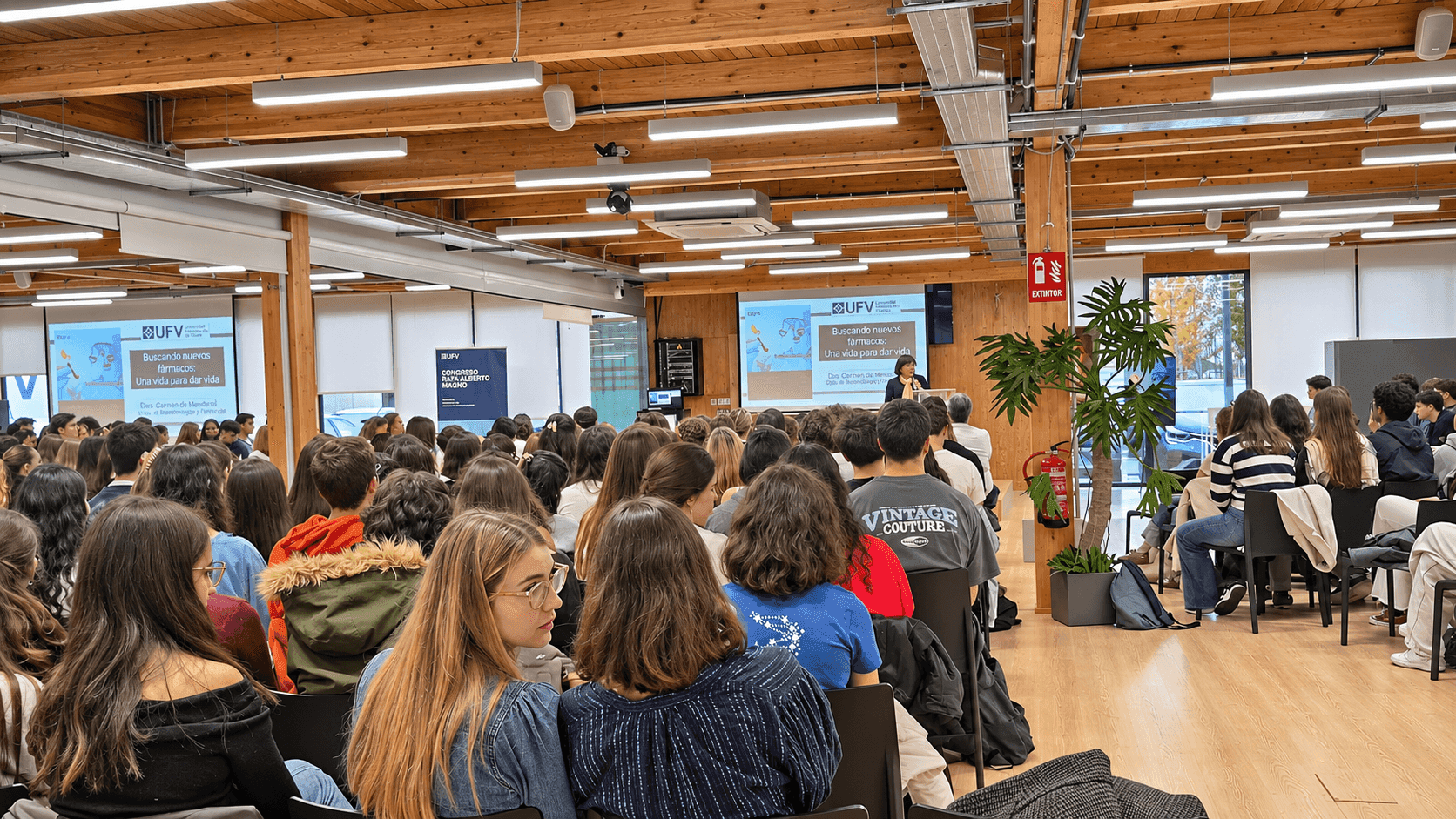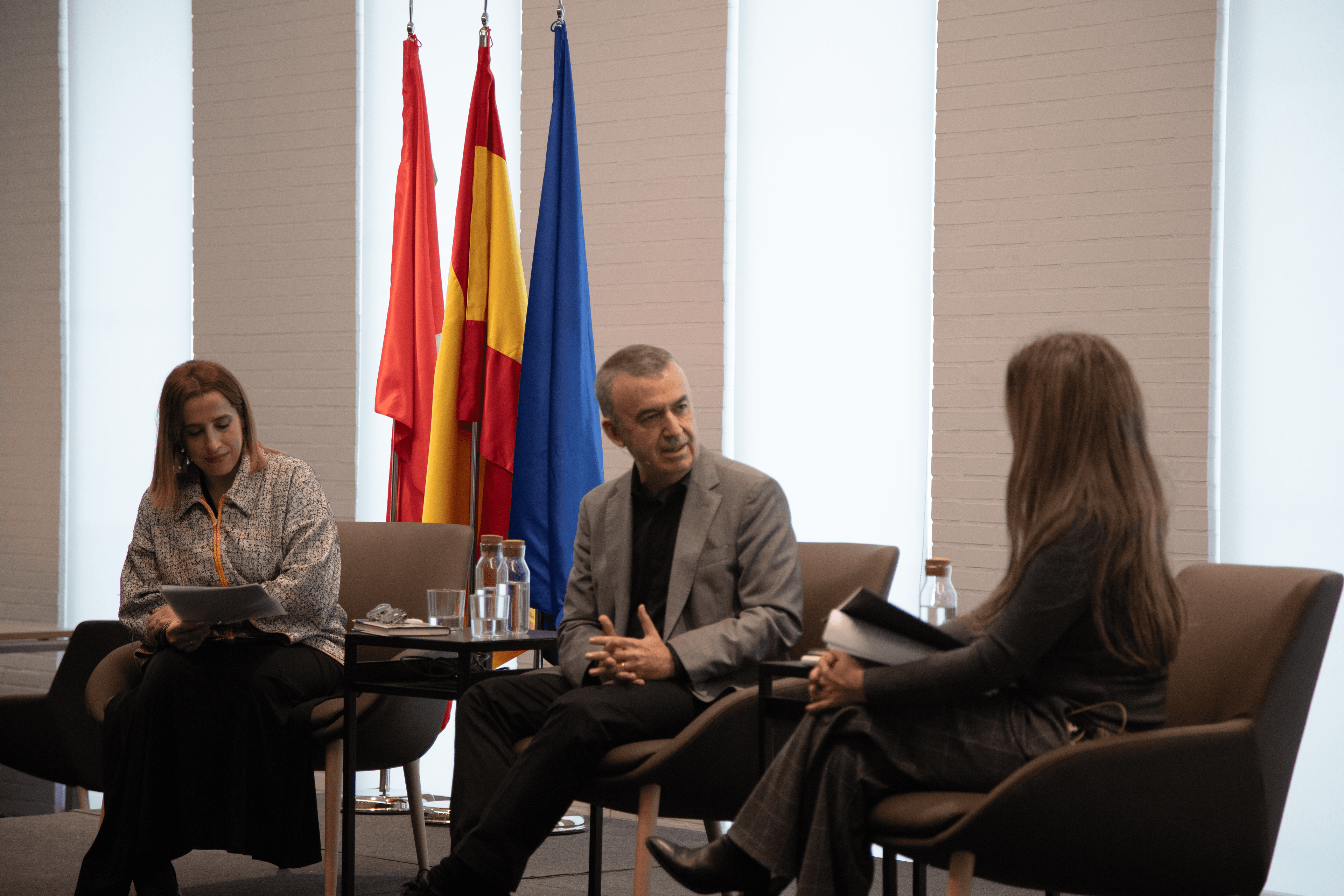
Research into new drugs and the management of a pharmacy require scientific knowledge and proficiency in technological tools such as process automation, data analysis and visualization, and digital health communication. On the other hand, and must also have the ability to make decisions regarding public health. The School of Experimental Sciences at the Universidad Francisco de Vitoria University (UFV) brings these dimensions together in the Diploma in Pharmaceutical Innovation, a program that complements the Bachelor of Science in Pharmacy ( Bachelor's Degree ) and introduces students to two areas of professional development while they are still in college.
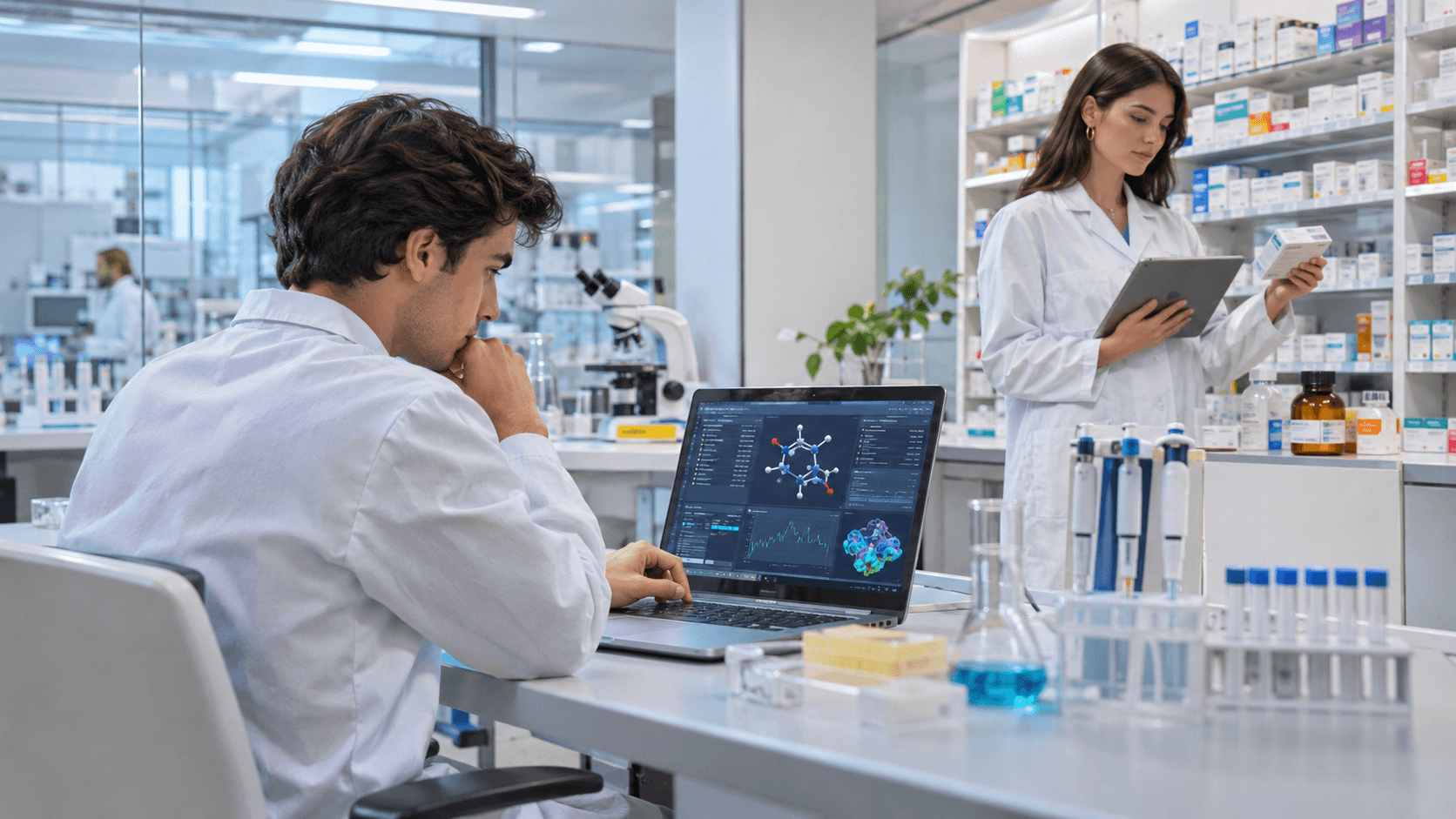
The diploma program covers disciplines such as drug biomodeling and synthetic biology, along with topics in procurement planning, team management, and pharmaceutical marketing. Classes taught by practicing professionals, hands-on activities, and visits to specialized facilities allow students to connect this knowledge with its application in the industry and understand the responsibilities associated with each role.
This training is becoming increasingly important in light of the industry’s technological transformation. According to the Pharmaceutical Industry Employment Report presented by Farmaindustria in November 2026, 96% of the companies surveyed offer training programs in digitalization, artificial intelligence, and automation. Keeping one's knowledge up to date is part of the professional requirements of a sector in which 71% of workers hold a college degree, a percentage that rises to 96% in R&D fields.
Understanding How Drugs Are Researched
The itinerary of Expert in Drug Design and R&D introduces students to scientific fields related to pharmaceutical research and drug development.
The biomodeling It allows students to use computational tools to study the behavior of molecules and their interaction with biological systems. Theoretical instruction and hands-on practice in computer labs help students connect the fundamentals of the degree program with the methods used in research.
For its part, the synthetic biology It applies engineering principles to the design and modification of biological systems. This research provides insights for understanding new avenues of biomedical research and exploring their potential applications.
The participation of specialists working in these areas connects the teaching with the latest advances and the challenges of conducting research. Students can learn what questions guide a project, how to use the available tools, and what limitations to keep in mind when interpreting their results.
Preparing to Manage a Pharmacy
For its part, the itinerary of Expert in Pharmacy Office Management and Its Relationship with the Pharmaceutical Industry provides an in-depth look at the organization of these healthcare facilities.
The content is related to the purchasing planning, human resources, and marketing, among others, which provides insight into decisions that are part of day-to-day operations. This training adds a management perspective to scientific knowledge of medicine and helps students understand the responsibilities of those who organize resources, coordinate teams, and provide health care services.
Working in a pharmacy involves a very significant interpersonal aspect, and it also requires listening, communicate clearly and understand the needs of people who are different. These skills play a role in both patient care and collaboration among professionals, as well as in resolving challenges within the team, and are part of the programme.
The UFV curriculum thus links specialized knowledge to the contexts in which it will be applied. For students, to understand those responsibilities Throughout the degree program, it provides guidance to help students chart their academic path and assess which skills they need to continue developing.
New Challenges: Knowledge and Judgment in the Face of Artificial Intelligence
The advance of the artificial intelligence It is transforming professional practice in the pharmaceutical sector, with applications ranging from the research and development of new drugs to patient care. These technologies make it possible to analyze large volumes of scientific data, identify potential drug interactions, study the efficacy and safety of treatments, and move toward more personalized medicine.
In community and hospital pharmacies, AI is also beginning to be incorporated into tools that support medication therapy management, the detection of medication-related risks, and the optimization of dispensing and management processes. Meanwhile, in the pharmaceutical industry, it facilitates the identification of new molecules, the design of clinical trials, and data analysis to accelerate research processes. The incorporation of AI into these areas is expanding the technological skills associated with the practice of the profession and strengthening the connection between scientific knowledge and new digital tools.
In this context, disciplinary knowledge remains the foundation of professional competence. Digital tools expand the possibilities for analysis, while interpreting the information and taking responsibility for decisions require professional judgment.
In this environment, the future pharmacist needs to connect knowledge, technology, context, and decision-making. Analytical skills, intellectual independence, and continuous learning enable them to incorporate new tools and assess their usefulness in each situation. Communication and teamwork are equally essential for sharing conclusions, comparing perspectives, and collaborating with other specialists.
This program aligns with UFV’s educational philosophy, which links technical competence with a sense of responsibility toward others. According to the University’s Employability Barometer, conducted in 2026 among graduates of the class of 2023–2024, 89.2% of alumni from the Experimental Sciences program consider the education in humanistic values they received to be valuable, related to ethics, human dignity, and social responsibility.
A specialization integrated into the college curriculum
The Diploma in Pharmaceutical Innovation includes 30 ECTS credits spread over five academic years and takes place at the same time as the Bachelor's Degree at the UFV Pharmacy. Students choose their track in their third year, based on their professional interests. It is part of the academic curriculum for the bachelor's degree, except for those pursuing the dual degree in Biotechnology and Pharmacy.
The diploma program's activities are complemented by internship opportunities offered by the hospital certification, research centers, companies in the pharmaceutical industry, and pharmaceutical distribution firms. This exposure to different environments allows students to explore career options and understand how they can apply the knowledge they have acquired.
The School of Experimental Sciences This program combines specialized content, hands-on learning, and industry-linked instruction. The goal is for students to reach the pharmaceutical practice with a rigorous scientific foundation, an understanding of their potential for development, and the ability to continue learning and making decisions that promote people's health.