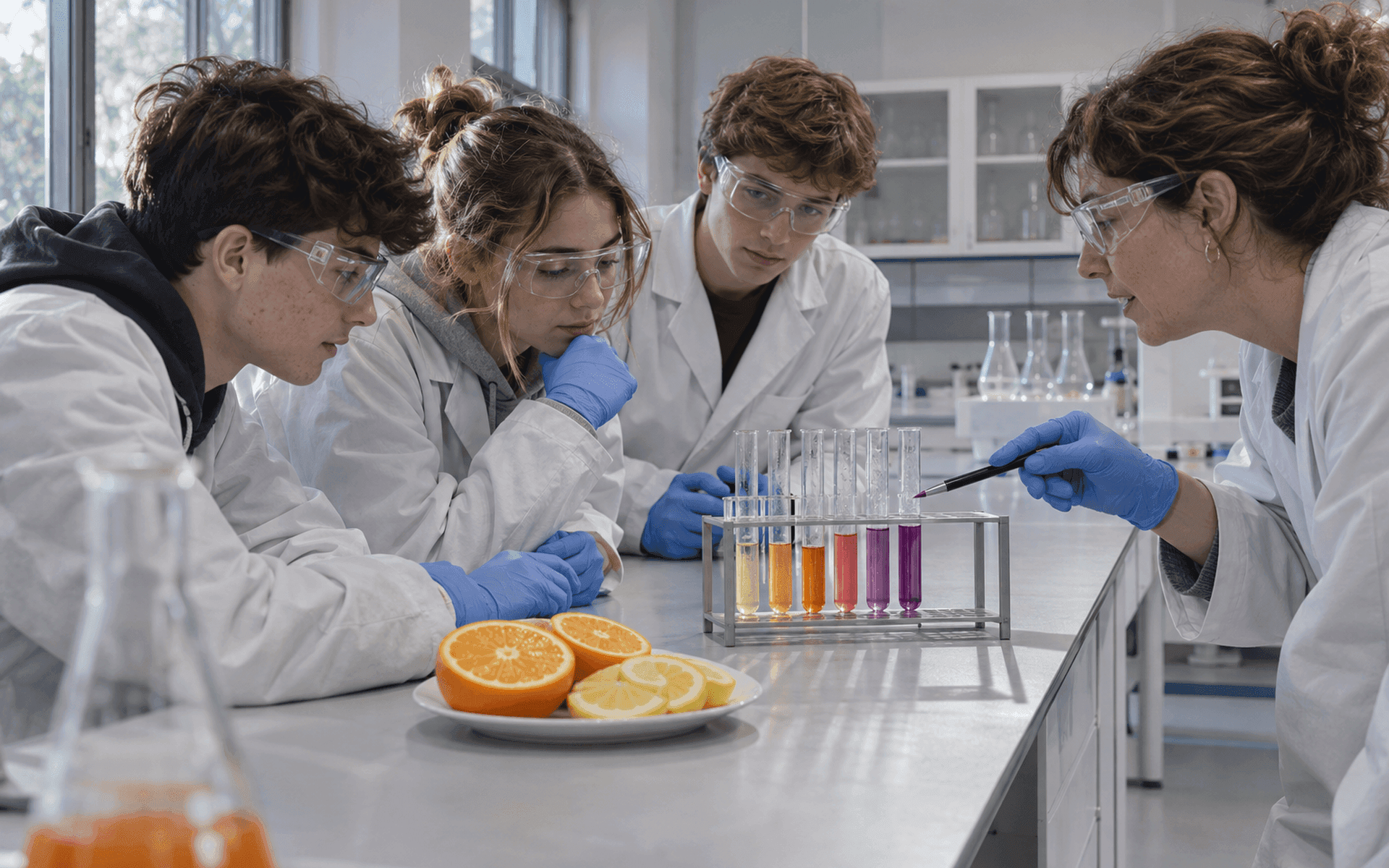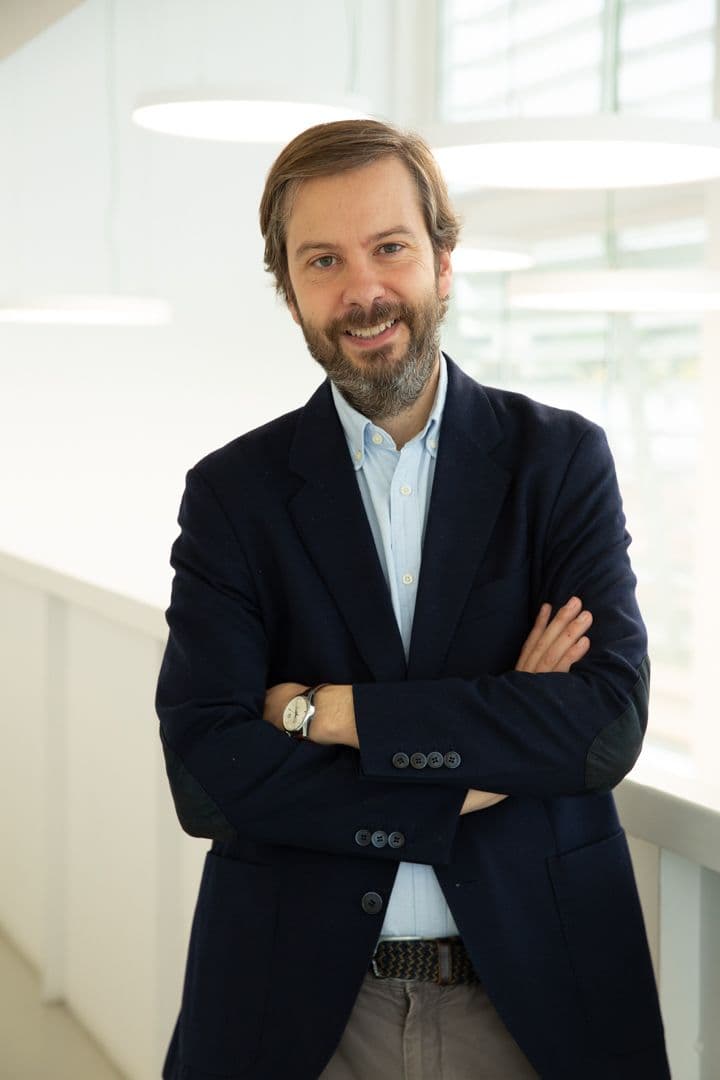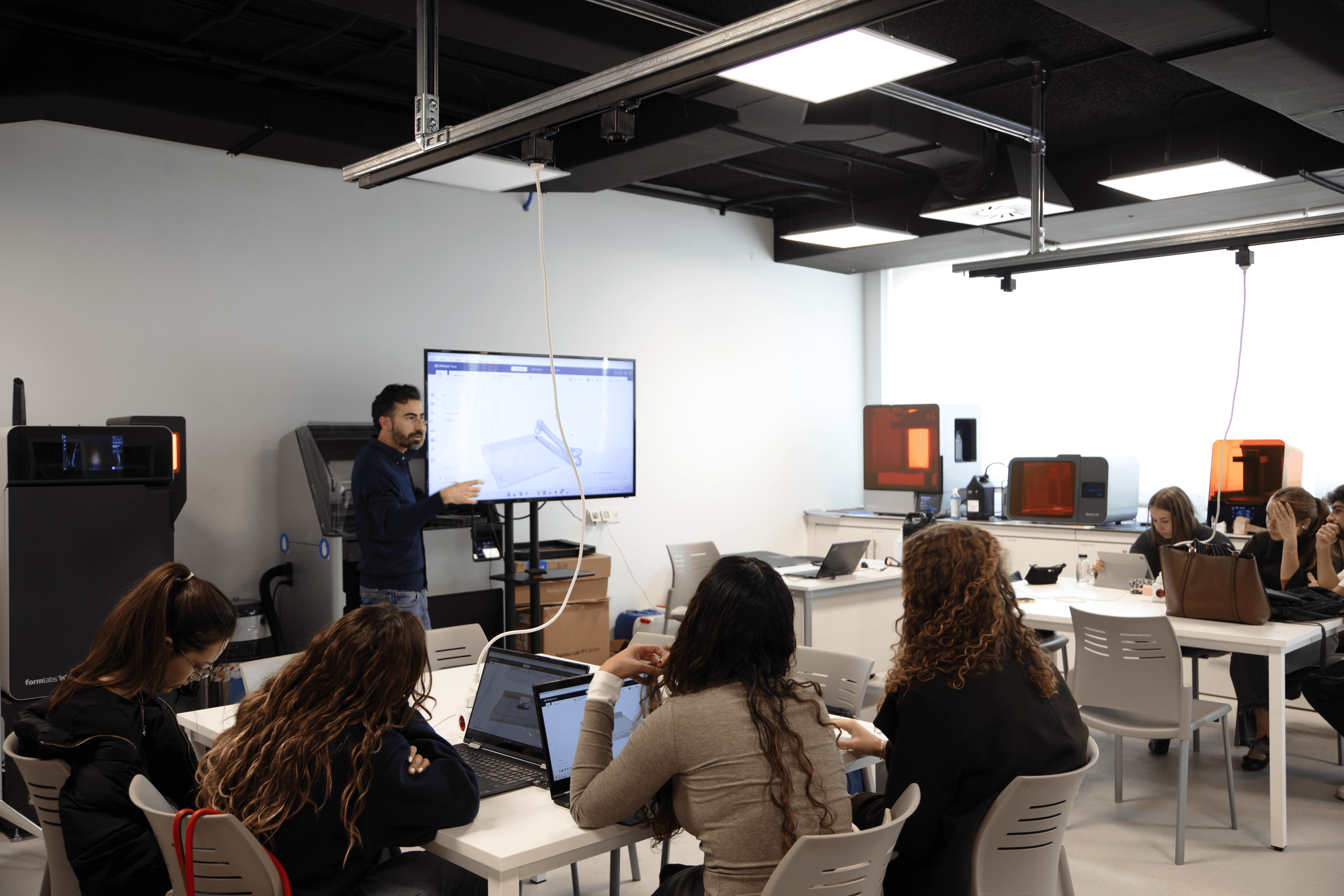
The Universidad Francisco de Vitoria (UFV) hosted the in-person phase of the Intensive Combined programme s (BIP) from October 19 to 23 Person-Centered Prosthesis Fabrication, an initiative of the ACE²-EU European University Alliance which brought together students and faculty from nine European universities. Over the course of a week, the participants worked on designing prosthetics and orthotics tailored to each patient’s needs, combining knowledge from different disciplines with a person-centered approach.
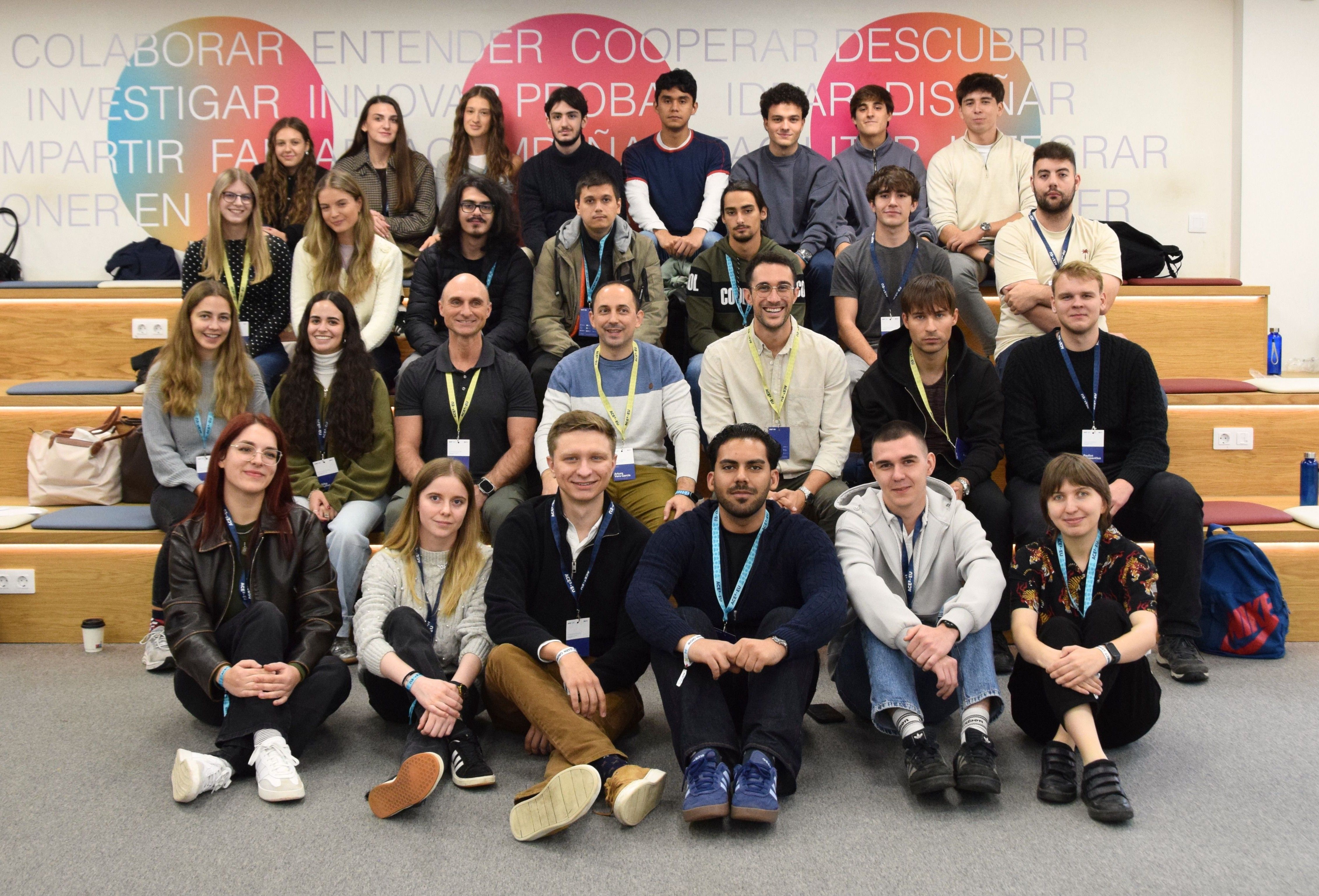
programme, coordinated by the Bachelor's Degree in Biomedical Engineering at UFV, highlights the importance of linking engineering education with its application in the healthcare field. This discipline integrates technological and medical knowledge to develop solutions that address real clinical needs, from a perspective that incorporates both technical rigour and an understanding of each patient’s circumstances.
Interdisciplinary learning and direct exposure to the hospital environment
The training week combined academic sessions with hands-on laboratory activities and a visit to the Toledo University Hospital Complex (CHUT), where students were able to learn how professionals from different specialties collaborate to develop solutions tailored to each clinical case.
During the visit, Juan Pablo Rodríguez, director of People and Organizational Culture and a member of CHUT’s executive team, highlighted the importance of collaboration and personal commitment to the transformation of health care:
"If you want to make a difference, you have to roll up your sleeves and get your hands dirty. We're all different, but if we work together, we'll make a difference. Everyone is important in a hospital; everyone is important in bringing about change."
The event was also attended by the Dr. Daniel Álvarez, head of the CHUT Innovation Support Unit and professor in the Biomedical Engineering Bachelor's Degree t at UFV, who facilitated the collaboration between the two institutions and led a session for participants on the hospital’s activities.
The experience allowed the students to understand how developing a technological solution requires integrating different areas of professional expertise. Beltrán, a biomedicine student at UFV, explained it this way:
"What I've learned today is how, in the hospital, professionals from different fields work together as a team to develop a product or solve a specific patient's problem."
For the Dr. Rafael Ruiz Iglesias, a professor in the Biomedical Engineering Bachelor's Degree t at UFV and one of the coordinators of programme, says that this interdisciplinary collaboration is one of the key lessons learned from the initiative:
"Bringing together people from different professional fields and with different backgrounds is what enables us to create a great product."
Technology Applied to the Design of Custom Prosthetics
The hands-on sessions held on campus allowed participants to gain a deeper understanding of technological tools related to the design and manufacture of custom devices.
Among the presentations, the one by the Dr. Julija Zarkova, from Goce Delčev University in Štip (North Macedonia), who discussed the applications of digital orthodontics and the potential of technologies such as 3D printing and scanning to advance the personalization of medical solutions.
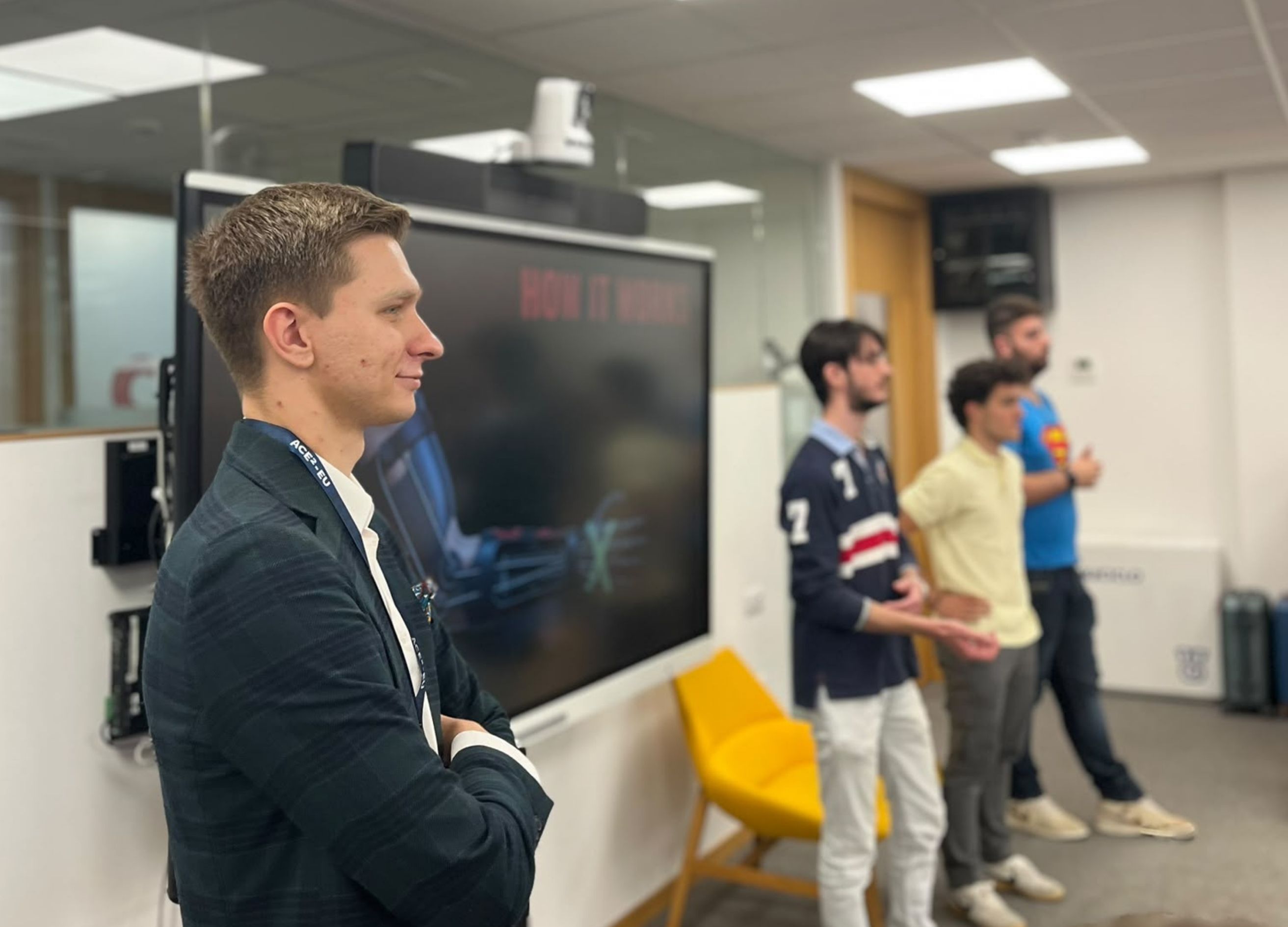
The " programme " concluded with a presentation of the projects developed by the international teams, in which the students applied the knowledge they had acquired throughout the week.
The Dr. Arturo Vera, a professor in the Biomedical Engineering Bachelor's Degree t at UFV and the course coordinator, highlighted the value of applying technical knowledge to situations related to clinical practice:
"The students have learned to design and implement their own processes. The visit to the Toledo University Hospital has allowed them to discover how to carry them out and, above all, how they can help improve patients' lives."
The hosting of this programme at UFV reinforces its participation in the ACE²-EU Alliance and its academic collaboration with other European universities. The initiative highlights the value of an international education in which students and faculty from different disciplines share knowledge to develop technological solutions aimed at improving people's lives.
The ACE²-EU Alliance is co-funded by the European Union (Project 101177596).