





EXPANDED REASON CONFERENCE 2024:
INTEGRAL ECOLOGY. A CHALLENGE FOR THE THIRD MILLENNIUM
INTEGRAL ECOLOGY CONFERENCE
CONFERENCE TOPICS
RECOMMENDED TEXTS
Suggested bibliography
The speakers at the 6th Expanded Reason Conferences on Integral Ecology have kindly suggested some readings that may be of interest on the subject of the congress.
| Alicia de Lara González A recently published report in which I participated on the challenges and trends of the Spanish and Portuguese media ecosystem, with key points of interest also for environmental communication, in case you find it interesting: https://iberifier.eu/2024/01/10/iberifier-reports-analysis-of-trends-and-innovations-in-the-media-ecosystem-in-spain-and-portugal-2025-2030/ |
| Alison Milbank Spanish translation of my book on Tolkien and Chesterton: La Teología de Chesterton y Tolkien: La fantasía que habita lo real, Trad. Eduardo Segura (Granada: Nuevo Inicio, 2023). |
| Cristina Monge La humanidad amenazada. ¿Quién se hace cargo del futuro? Gedisa 2024 |
| Emilio Chuvieco Salinero Chuvieco, Emilio and Martín, María Angeles (2023), Cuidar la Tierra: Razones para conservar la Naturaleza (Madrid, 2d Ed: Digital Reasons). |
| Fernando F. Sánchez Campos Laudato si’ El cuidado de la casa común, una conversión necesaria a la ecología humana. Federico Lombardi, Fernando F. Sánchez Campos (eds). Fratelli Tuti y la Mejor Política: Los Políticos responden. Fernando F. Sánchez Campos, José Antonio Rosas Amador y Alexis Rodríguez Vargas (eds). |
| Jorge Olcina https://urldefense.com/v3/__https://rua.ua.es/dspace/bitstream/10045/131123/1/Olcina_2022_Iber.pdf__;!!D9dNQwwGXtA!R7c2BtyerGByTUDiY0Qo6q271LrEcKujh8oj-oVRxbcurLgJ9wHFiLp2pViBBs2ofaoAS4LHvzyTmf7QTWHPahc$ https://urldefense.com/v3/__https://ddd.uab.cat/pub/dag/dag_a2020v66n1/dag_a2020v66n1p159.pdf__;!!D9dNQwwGXtA!R7c2BtyerGByTUDiY0Qo6q271LrEcKujh8oj-oVRxbcurLgJ9wHFiLp2pViBBs2ofaoAS4LHvzyTmf7QJnIj_lA$ |
| José Pérez Adán https://www.amazon.es/Sobrepoder-anarquía-comunidad-análisis-Política/dp/B0CY2VGVD3/ref=sr_1_1?dib=eyJ2IjoiMSJ9.jhxsXz3sB0TojFmo-5z5AU0ZHvau70iTI9SxROXPD0rgAgmkOiN9QNb_coASfgeeqBL6j36fux9nwhqqBq5Qt9QI6yP-L0hTd6MpTb8MsrFw9ZToHY-Cg–4wGSS-0fjGA_tPR8_VTO2yR7M6lj7TRGVYLXpG8EqQTh_qsiwhn6PjUH1dmKz0-Q3F9a7hgvZiyb2C_yDSio1fNPzPNK5m99DOAOYIaKrzaRCgIwqHhLsO2VfiS_HVrBhgl5nRxIgdZqkaYqdhInTWjZlV6eIXCj80H689LD3wN72BRQxiY4.-Q1xeRcUBkQk2b7Hy7wYm6keAuxeZZbbQYkWzv1jlvA&dib_tag=se&keywords=jose+perez+adan&qid=1713970417&sr=8-1 |
| Rafael Amo Usanos R. Amo Usanos, Brief History of the Organism and the Relationship Between the Whole and Its Parts, en L. Valera, Pantheism and Ecology Cosmological, Philosophical, and Theological Perspectives, págs. 3-13, Springer, Nueva York, noviembre de 2023.. ISBN: 978-3-031-40042-1. R. Amo Usanos, Laudato Si, la primera encíclica del nuevo paradigma. Revista CONFER. Revista de Vida Religiosa. Vol. 61, nº 235, págs. 381-402, Junio 2022-Agosto de 2022.. ISSN: 0212-6710 R. Amo Usanos, La persona, ser valioso. La dignidad: historia, contenido y teología, en J. M. Aparicio Malo (Coord.), Cristianismo y ética social, págs. 97-122, Universidad Pontificia Comillas, Madrid, agosto de 2022 R. Amo Usanos, Filosofía de la naturaleza, ecología y bioética, en F. J. de la Torre Díaz (Ed.), Bioética y ecología en el siglo XXI. Aportaciones para un diálogo, págs. 45-64, Dykinson, Madrid, junio de 2022.. ISBN: 978-84-1122-316-4 R. Amo Usanos, El valor de la vida en una sociedad envejecida, en , Bioética para una sociedad envejecida, págs. 61-104, Universidad Pontificia Comillas, Madrid, 2022.. ISBN: 978-84-8468-917-1 R. Amo Usanos, Cuidar la dignidad, en R. Amo Usanos (Ed.), Bioética del cuidado en centros residenciales, págs. 89-109, Universidad Pontificia Comillas, Madrid, septiembre de 2020.. ISBN: 978-84-8468-845-7 R. Amo Usanos, Una nueva síntesis humanista para un desarrollo humano integral, en J. M.ª Larrú (Ed.), Desarrollo humano integral y Agenda 2030. Aportaciones del pensamiento social cristiano a los Objetivos de Desarrollo Sostenible, págs. 143-175, BAC, Madrid, marzo de 2020 R. Amo Usanos, Fundamentos de ecología integral. Estudios Eclesiásticos. Revista de Investigación e Información Teológica y Canónica. Vol. 94, nº 368, págs. 5-37, Octubre 2018-Enero de 2019.. ISSN: 0210-1610 R. Amo Usanos, Vida y ética. Editorial Síntesis, Madrid, octubre de 2017.. ISBN: 978-84-9171-078-3 R. Amo Usanos, A vueltas con la metafísica de la dignidad humana. a propósito del xx aniversario de la convención de Oviedo sobre derechos humanos y biomedicina. Cuadernos de Bioética. Vol. 28, nº 94, págs. 374-374, Septiembre 2017-diciembre 2017.. ISSN: 1132-1989. |
| Katia Hueso «Educar en la naturaleza»: https://www.plataformaeditorial.com/item/262/1/5776 |
| Luis Irastorza Ruigómez En defensa de la prolongación de la Castellana, Autores: Luis Rodríguez Avial, Luis Irastorza y José Luis Escauriaza, Fundación Ingenieros de Caminos, Canales y Puertos y Fundación del Colegio de Arquitectos de Madrid, 2023, https://libreria.ciccp.es/ |
|
OTHER REFERENCES On the common home and the theological line: ANDERSON, B. W., Creation and ecology. Creation in the Old Testament, SPCK, London 1984.
About Circular Economy: The results of the three annual projects developed on the circular economy are available on the European Documentation Center website, along with publications, infographics, best practice guides, and blog posts on the subject. There are three sections: https://centro-documentacion-europea-ufv.eu/economia-circular-y-empleabilidad-de-los-jovenes/ Presentation at the National Environment Congress: RAMÓN REYERO, E., Llobera Serra, F., Redondo Arandilla, M. (2018) Economía Circular y empleabilidad de los jóvenes en la Comunidad de Madrid. Madrid: Centro de Documentación Europea. UVF http://centro-documentacion-europea-ufv.eu/economia-circular-empleabilidad-los-jovenes/ The next project was: https://centro-documentacion-europea-ufv.eu/emprender-economia-circular-digital-verde/ RAMÓN REYERO, Eva, Dios Alija, Teresa de, Claudio Quiroga, Gloria (2019). Acercando la sostenibilidad y la economía social al aula. In: Experiencias de innovación docente universitaria 2019. Clemente López y Noelia Valle (dirs.) Madrid: Universidad Francisco de Vitoria. ISBN: 978-84-17641-72-6 The third was in 2020, already within the framework of the European Green Deal: https://centro-documentacion-europea-ufv.eu/pacto-verde-europeo-jovenes-en-un-futuro-resiliente/ Now, within the framework of the European Green Deal, you can find all the documents on EU actions in this area (circular economy and sustainability) at: https://ec.europa.eu/info/strategy/priorities-2019-2024/european-green-deal_es and at https://ec.europa.eu/info/strategy/priorities-2019-2024/european-green-deal_es#documents whatever is approved, whether proposals, regulations, or directives. This strategy is where Spain’s 2030 Agenda “comes from.” |
I WANT TO REGISTER FOR THE CONFERENCE
The abstracts of the papers presented orally at the conference will be included in the conference proceedings published by the UFV publishing house.
The journal Relectiones will devote a monographic issue to the question of integral ecology, and it is therefore proposed that contributors develop their work in accordance with the journal’s requirements in order to be eligible to be selected for publication.
Papers must be original and unpublished and adhere to the journal’s guidelines which can be found here.
EXPANDED REASON INSTITUTE
UNIVERSIDAD FRANCISCO DE VITORIA
Opening hours: Monday to Friday from 9:00 a.m. to 6:00 p.m
CONTACT THE EXPANDED REASON INSTITUTE
Fill in the form and we will contact you as soon as possible
PRESENTATION OF THE EXPANDED REASON CONFERENCE 2024
VISION OF INTEGRAL ECOLOGY
INTEGRAL ECOLOGY CONFERENCE PROGRAM
9:45 h OPENING CEREMONY (H Hall)
Daniel Sada
Vice-Chancellor of the Universidad Francisco de Vitoria
10:00 h KEYNOTE SPEAKER (H Hall)
The Sacramental Dimension of Creation: Nature as an Expression of God’s Presence
Alison Milbank
Professor of Theology and Literature at the Department of Theology and Religious Studies, University of Nottingham
11:00 h BREAK
11:30 h ROUND TABLE 1 (H Hall)
A Person-Centered Ecology: A Planet for the Person
José Ángel Agejas / Moderator
Professor of Ethics at the Faculty of Communication of the Universidad Francisco de Vitoria
Michael Taylor
Professor at Saint Thomas More College. Winner of the Expanded Reason Award (2021) for The Foundations of Nature: Metaphysics of Gift for an Integral Ecological Ethic
Elio Gallego
Professor of Theory and Philosophy of Law. Director of the Centro de Estudios, Formación y Análisis Social CEU [CEU Center for Studies, Training, and Social Analysis]
Rafael Amo Usanos
Director of the Chair of Bioethics and Professor at the Faculty of Theology of the Universidad Pontificia Comillas
13:00 h COMMUNICATIONS TABLE 1 (H Hall)
14:00 h LUNCH
15:30 h ROUND TABLE 2 (H Hall)
Caring for the Planet, Human Populations, and Social Challenges
Javier de Cendra / Moderator
Dean of the Faculty of Law, Business, and Government of the Universidad Francisco de Vitoria
José Luis Bazán
Secretary of the COMECE’s Commission on Migration and Asylum
Pablo Martínez de Anguita
Full professor of Natural Resource Projects and Management at the Universidad Rey Juan Carlos and the universities of New York, Yale and Oxford
Julio Martínez
Professor of Moral Theology. Universidad Pontificia Comillas
15:30 h ROUND TABLE 3 (Degree Hall)
Environmental Care and the Challenge of Human Health
Valle Coronado / Moderator
Professor of Medical Humanities at the Universidad Francisco de Vitoria
Julio Díaz Jiménez
Co-Director of the Reference Unit on Climate Change, Health and Urban Environment of the Escuela Nacional de Sanidad del Instituto de Salud Carlos III [National School of Health of the Carlos III Health Institute]
Juan Pablo García-Capelo Pérez
Managing Director of Hospital Universitario El Escorial
Ángel Nieto Sánchez
Internal Medicine Physician at Hospital Clínico San Carlos in Madrid and Associate Professor of Clinical Toxicology at UFV and UCM
17:00 h BREAK
17:15 h COMMUNICATIONS TABLES 2 (H Hall) AND 3 (Degree Hall)
10:00 h CONFERENCE (H Hall)
The Church’s Magisterium on Ecology: Light in a Time of Darkness
Anna Rowlands
St. Hilda Professor of Catholic Social Thought & Practice. Durham University. Expanded Reason Research Award 2023
11:00 h CONFERENCE (H Hall)
The “Laudato si” Observatory and the Humanist Integral Ecology Index: an opportunity to measure development from the Social Doctrine of the Church
Fernando F. Sánchez Campos
Vice-chancellor of the Universidad Católica de Costa Rica. Permanent Representative to the United Nations agencies FAO, IFAD and WFP
12:00 h BREAK
12:30 h ROUND TABLE 4 (H Hall)
The man’s room inside the common house
Felipe Samarán / Moderator
Director of the University Degree in Architecture at the Universidad Francisco de Vitoria
Luis Irastorza Ruigómez
Member of the Committee on Cities, Territory and Culture of the National Professional Association of Civil Engineers and of the Executive Committee of the Urban Land Institute and Oriens
Efrén Feliú Torres
Manager of Adaptation to Climate Change in the Area of City, Territory and Environment at Tecnalia
12:30 h ROUND TABLE 5 (Degree Hall)
Science and technology in the context of integral ecology
Alberto López Rosado / Moderator
Vice-Chancellor for Research and Postgraduate Studies at the Universidad Francisco de Vitoria
Pelayo García de Arquer
Physics Award at the Real Sociedad Española de Física Fundación BBVA [Royal Spanish Physics Society BBVA Foundation]. Head of Research Group at the Institute of Photonic Sciences
Israel Pagán
Ramón y Cajal Researcher and currently a researcher at the INIA Centre for Plant Biotechnology and Genomics.
Jorge Olcina
Professor of Regional Geographical Analysis and Director of the Laboratory of Climatology. Universidad de Alicante
14:00 h LUNCH
15:30 h CONFERENCE (H Hal)
The biblical account of Genesis: a look at Creation
Francesco Voltaggio
Professor of Sacred Scripture and Judaism at the Redemptoris Mater Seminary in Galilee. Fidei Donum priest at the Latin Patriarchate of Jerusalem
16:30 h ROUND TABLE 6 (H Hall)
The ecological key in education and communication: challenges and tasks
Victoria Hernández / Moderator
Coordinator of the University Degree in Humanities of the Universidad Francisco de Vitoria
Fernando Chacón Fuentes
Professor of Social Psychology at the Faculty of Psychology of the Universidad Complutense de Madrid. Member of the Governing Board of the General Council of Psychology of Spain.
Katia Hueso
Associate Professor at the Escuela Técnica Superior de Ingeniería ICAI [ICAI Higher Technical School of Engineering]. Founder of the First Outdoor Nursery School in Spain
Alicia de Lara
Director of the Department of Communication and Scientific Dissemination. Universidad Miguel Hernández
18:00 h BREAK
18:15 h COMMUNICATIONS TABLES 4, 5 (H Hall) AND 6 (Degrees Hall)
10:00 h CONFERENCE (H Hall)
Knowledge, Will, and Action: Science, Ethics, and Environmental Prejudices
Emilio Chuvieco
Professor of Geography at the Universidad de Alcalá
11:00 h BREAK
11:30 h ROUND TABLE 7 (H Hall)
The International Community Facing the Ecological Challenge
Ignacio Cosidó / Moderator
Director of the Center for the Global Common Good at the Universidad Francisco de Vitoria
Nemesio Fernández-Cuesta
Member of the Advisory Board of LLYC, Chairman of the Advisory Board of Engie Spain and Chairman of the Energy Transition Group of Alantra Partners
Ignacio del Corral Gonzalo
Prospectivist and expert in strategic intelligence, strategic foresight and futures. Infantry Colonel (r) with a diploma in military intelligence (DIM). Full professor
of Intelligence in the Department of Intelligence and Security at the Escuela de Guerra
11:30 h ROUND TABLE 8 (Degree Hall)
Integral Ecology and Human Progress: Work-Family Balance, Economy, and the Culture of Life
Juan Meseguer / Moderator
Professor of the Department of Humanities at the Universidad Francisco de Vitoria
Ana Iris Simón
Journalist and writer. Columnist for El País. She has worked with Telva, Vice, and RTVE’s Playz. She has contributed to La Ventana on Cadena SER. Author of the publishing phenomenon Feria
José Pérez Adán
Professor of Sociology. Writer, lecturer, and researcher in socioeconomics, communitarianism, family, and the environment. Vice-chancellor of the Universidad Libre Internacional de las Américas
Cristina Monge
Political scientist and sociologist; specialist in democratic quality and governance for the ecological transition. Political analyst for El País, Cadena SER, RTVE, Infolibre, and the Green European Journal
13:00 h COMMUNICATIONS TABLES 7 (H Hall) AND 8 (Degree Hall)
14:00 h BREAK
16:00 h CLOSING CONFERENCE (H Hall)
Water: Reality and Symbol of the Challenges of Integral Ecology
Mons. Fernando Chica Arellano
Permanent Observer of the Holy See to the FAO since 2015
17:00 h CONCLUSIONS (H Hall)
DOWNLOAD PROGRAM
SPEAKERS
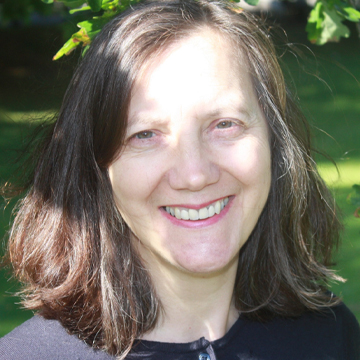
Professor of Theology and Literature at the University of Nottingham and has previously taught at the Universities of Virginia and Cambridge. She researches widely in the field of religion and the arts and her most recent monograph is God and the Gothic: Religion, Romance and Reality in the English Literary Tradition (Oxford University Press, 2018). Other interests are in Dante reception (Dante and the Victorians, Manchester University Press,1998) and in G. K. Chesterton and J. R. R. Tolkien (Chesterton and Tolkien as Theologians: The Fantasy of the Real, T & T Clark, 2007, Spanish translation by Eduardo Segura, Nuevo Inicio, 2022). Her current research project is a study of divine immanence and natural agency in Anglican natural philosophy, poetry and painting from the Scientific Revolution until the twentieth century, which has led to several essays.
Dr Milbank is also an Anglican priest, and Canon Theologian of Southwell Minster. She has published widely in the field of Anglican Ecclesiology, with her most recent book, The Once and Future Parish (SCM, 2023). She lives in what was once part of Sherwood Forest and ministers in a cathedral famed for its thirteenth-century leaf carvings and green men, which, she argues, embody a strongly sacramental theology of creation.
The Rev’d Canon Professor Alison Grant Milbank
Professor of Theology and Literature
Department of Theology and Religious Studies
University of Nottingham
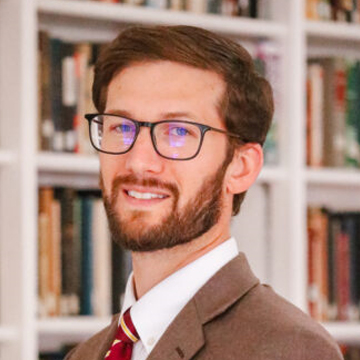
Dr. Michael Dominic Taylor is a Teaching Fellow and the Dean of Students at the Thomas More College of Liberal Arts in Merrimack, New Hampshire. He holds degrees in Biology and Environmental Studies, Philosophy, and Bioethics. He earned his doctorate in Philosophy in 2019. He is the author of The Foundations of Nature: Metaphysics of Gift for an Integral Ecological Ethic (Cascade, 2020), which, in 2021, was a recipient of the Expanded Reason Award. He is the author of numerous articles and book chapters. Most recently, he penned the chapter on “Creation” for The Cambridge Companion to Joseph Ratzinger (2023).
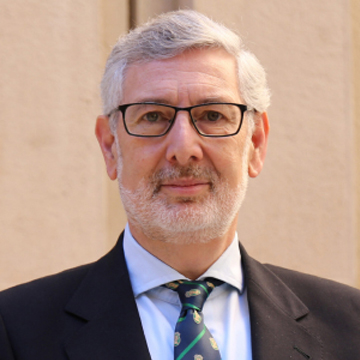
Director of CEU – CEFAS and Colegio Mayor Universitario San Pablo. Elio Gallego is Professor of Theory and Philosophy of Law at Universidad CEU San Pablo. His work as a scholar of political philosophy and law has mainly focused on a re-reading and updating of the thinking of the classical legal and political tradition in general. In addition to articles and chapters in collaboration with other authors, he has written an important number of monographic papers and essays, including Sabiduría clásica y libertad política (Ciudadela 2009); Common law. El pensamiento jurídico y político de Sir Eduard Coke (Ediciones Encuento 2012); Razón y autoridad. Hobbes y la quiebra de la tradición occidental (CEPC, 2016); Representación y poder. Un intento de clarificación (Dykinson, 2017); Estado de disolución. Europa y su destino en el pensamiento de Donoso Cortés (Sekotia, 2017); Idea de un rey patriota para la reconstitución de España (Schedas, 2020); La forma de la libertad en la tradición política de Occidente (Dykinson, 2021). His latest published work is La teología política de John Henry Newman.
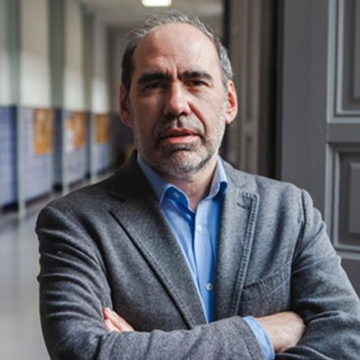
He studied at the Universidad Pontificia Comillas and at the Pontificia Università Gregoriana where he he was awarded a PhD in Theology in 2007. He also holds a PhD in Philosophy from the Universidad Rey Juan Carlos (Bioethics and Biojuridical Programme, 2016) and a Master in Bioethics (UNED 2008). For 4 years he taught at the Diocesan Seminary of San Bartolomé (Sigüenza). In 2013 he began teaching at the Faculty of Theology at Universidad Pontificia Comillas. He teaches courses in Christian Social Thought; Cultural Sciences, Moral and Pastoral Theology, and on the Master’s Degree in Bioethics program. Since January 2019, he has been Director of the Chair of Bioethics at the Universidad P. Comillas.
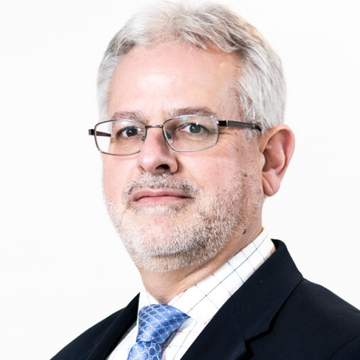
Legal advisor for Migration and Asylum and for International Religious Freedom
Secretary of the COMECE’sMigration and Asylum Commission
José Luis is originally from Spain and has been working at the COMECE Secretariat since 2010. He holds a degree in Law (1989) and a PhD. in International Law (1995) from the Universidad de Navarra (Spain). His thesis was titled “The Protection of Private and Family Life in the European Court Of Human Rights“. For 25 years he has taught at various universities, including the Universidad Rey Juan Carlos (Madrid), the Institut Catholique de Paris and the Universidad Internacional de La Rioja. He is also the author of a number of works , particularly in the field of European and International Protection of Human Rights. He is married and has three daughters. He is interested in Social and Moral Philosophy and History, particularly Numismatics.
PhD in Forestry Engineering. Professor of Natural Resources Projects and Management at Universidad Rey Juan Carlos. Professor at the Universities of New-York, Yale and Oxford. His research focuses on the forest-poverty relationship in developing countries and on the creation of political-economic instruments for the conservation of nature, such as payment systems for environmental services, among others. He directs the Laudato Si foundation dedicated to fostering admiration for creation and care for nature. He has authored 17 books and over 100 articles.
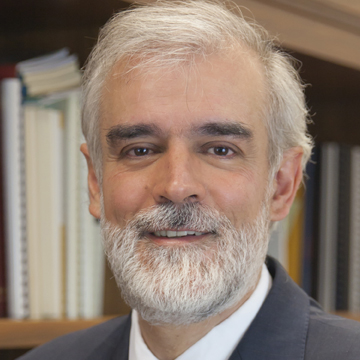
Jesuit Julio L. Martínez is Professor of Moral Theology at the Universidad Pontificia Comillas in Madrid. He studied Philosophy and Theology in Salamanca, Madrid and Boston, receiving his PhD in 2001. He served as Vice-Chancellor of Universidad Pontificia Comillas between 2012 and 2021. Before becoming Vice-Chancellor, throughout his university career, he was Director of the Institute of Migration and of the Chair of Bioethics, as well as Vice-Rector for Research, Development and Innovation at Comillas.
At Universidad Pontificia Comillas, he has taught fundamental moral theology and social moral theology, as well as moral and political philosophy and various subjects in bioethics, ethical aspects of migration, integral development and theories of social justice. He has been visiting professor at the Jesuit Faculties of Theology in San Miguel (Argentina) and at the Pontificia Università Gregoriana in Rome.
His main areas of research revolve around the fundamental categories of moral theology, the question of religion in public life and the relationship between liberalism and Catholicism, as well as social justice, citizenship and social integration, in which human migration is a major phenomenon. In addressing these issues, he always brings theology into dialogue with philosophy and the human and social sciences. In his research areas he has supervised nine doctoral theses to date.
He is the author of more than fifteen books, including: Consenso público y moral social. Las relaciones entre catolicismo y liberalismo en la obra de J. C. Murray (2002), Repensar la dignidad humana (2005); Religión e integración de los inmigrantes (2006); Ciudadanía, migraciones y religión (2007), which received “Centesimus Annus” Foundation Award in 2013; Libertad religiosa y dignidad humana (2009), Moral social y espiritualidad: una conspiración necesaria (2011), and Religión en público: debate con el liberalismo norteamericano (2012), Moral Fundamental: claves teológicas del discernimiento ético (2014), La cultura del encuentro: interpelación y desafío para Europa (2017), Una Universidad de la Iglesia hoy: retos desde la identidad y la misión (2018), Conciencia, discernimiento y verdad (2019). His latest works are Por una política del bien común (BAC, 2022) and Teología moral en salida (Sal Terrae, 2023).
He has also written more than 140 book chapters and articles in Spanish and international specialized journals. For some years now, he has been publishing articles in one of the main Spanish press outlets, offering the perspective of Christian social thought on current affairs.
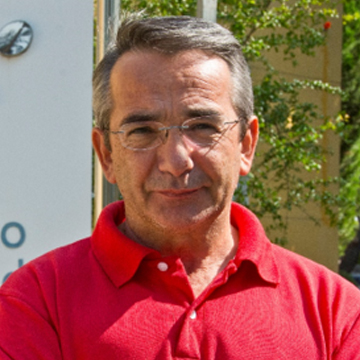
Julio Díaz Jiménez holds a PhD in Physics from the Universidad Complutense de Madrid, specialising in the Physics of the Earth and the Cosmos. He is Research Professor at the Instituto de Salud Carlos III and Co-Director of the Reference Unit on Climate Change, Health and the Urban Environment of the National School of Health of the same Institute. He received the North-South Prize of the Council of Europe for his contributions to the analysis of the impacts of Climate Change in the Mediterranean; the Environmental Education Prize in EA26 and the 2nd edition RTVE “El Escarabajo Verde” Prize. His lines of research focus on the impact of climate change on health, in particular on vulnerability and adaptation to extreme temperatures. He also works on the impacts of chemical and noise pollution on short-term morbidity and mortality in urban environments. He is the author of more than 300 scientific publications in these fields.
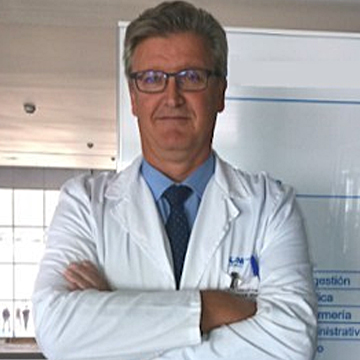
Managing Director of the Hospital Universitario El Escorial. Juan Pablo has previously served as Manager, Medical Director and Deputy Director in other hospitals and in SUMMA, in the Region of Madrid Health System. He holds a degree in Medicine and Surgery from the Universidad de Cantabria and a Master’s in Senior Management of Health Organizations from the Universidad de Alcalá as well as a Master in Health Law and Bioethics from the Universidad Europea de Madrid.
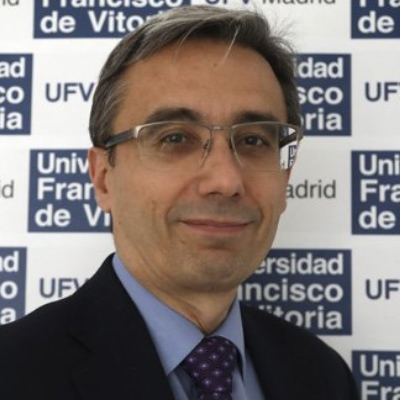
Specialist in Internal Medicine. Consultant Physician at the Hospital Clínico San Carlos in Madrid. Resident Tutor. Associate Professor of Clinical Toxicology at UFV and UCM. Line of research COPD, quality in toxicology, toxicology of anesthetics and environmental toxicology. Outside of his academic pursuits, Ángel is a voracious reader and an aviation enthusiast, almost fully qualified as a pilot.
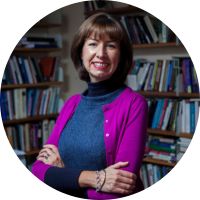
Professor Anna Rowlands is the St Hilda Associate Professor of Catholic Social Thought and Practice at Durham University, UK. She is a political theologian who works at the interface of social and political sciences and theology. She has a special expertise in the study of Catholic Social Thought, the ethics of human migration, and the social philosophies of the three Twentieth Century Jewish thinkers who engaged with Christian thought, Hannah Arendt, Simone Weil and Gillian Rose. Her next book will be on their relevance to the world we are in now. It will be titled: How to Love the World: reading our times with three women philosophers. Her other books include, Towards a Politics of Communion: Catholic Social Teaching in Dark Times, and two co-edited volumes: A Reader in Political Theology (Bloomsbury, 2021) and The Oxford Handbook of Religion and Contemporary Migration (forthcoming, 2024). She is currently working for half her time with two Vatican Dicasteries, the Office of the Synod of Bishops and the Dicastery of Integral Human Development.
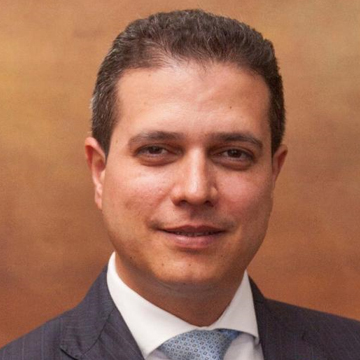
Fernando Felipe Sánchez Campos has served in the public sphere as a diplomat, representing the Republic of Costa Rica as Ambassador to the Holy See (the Vatican), to the Sovereign Order of Malta, and as Permanent Representative to the United Nations agencies in Rome (Food and Agriculture Organization (FAO), the International Fund for Agricultural Development (IFAD) and the World Food Program (WFP)). He was also elected as a Member of the Costa Rican Legislative Assembly (National Congress) by general election; where he chaired several commissions, including the Permanent Commission on Social Affairs and the Special Permanent Commission on International Relations and Foreign Trade.
In the academic field, he has worked as a vice-chancellor, professor, tutor, researcher, lecturer and consultant at several universities in Costa Rica (Universidad de Costa Rica and INCAE Business School) and abroad (University of Oxford, Universidad de Salamanca and Universidad Católica de Valencia). He has also worked as a consultant at the Inter-American Institute of Human Rights (IIDH), specifically at the Center for Electoral Advisory and Promotion (CAPEL). He is currently the Vice-Chancellor of the Universidad Católica de Costa Rica (UCAT), the official university of the Episcopal Conference of Costa Rica. He also holds the positions of: Vice-President of the International Federation of Catholic Universities (FIUC); First Vice-President of the Organisation of Catholic Universities of Latin America and the Caribbean (ODUCAL), sub Region Mexico, Central America and the Caribbean; and Vice-President of the Unity Association of Private University Rectors of Costa Rica (UNIRE). He has served as President of the Network of Catholic Universities of Central America (RUCAC).
Fernando F. Sánchez C. holds a PhD in Political Science from the University of Oxford (UK), an MBA from INCAE Business School (Costa Rica), and a Degree in Political Science from the University of Costa Rica. He is the author of several books (11 in total), and of several chapters in books and academic articles. He is also a frequent contributor to several national newspapers in Costa Rica. He has received several awards, distinctions and decorations (in Costa Rica and internationally), and is fluent in three languages (Spanish, English and Italian).
Dr. Sánchez was born in San José, Costa Rica, on 13 January 1974. He is a man of deep family values and he and his wife, María del Milagro Linares Martín, are parents of two children: Fernando Felipe and María Pía. The Sánchez Linares family is an active member of the Nuestra Señora de los Ángeles Parish in Heredia, Costa Rica.
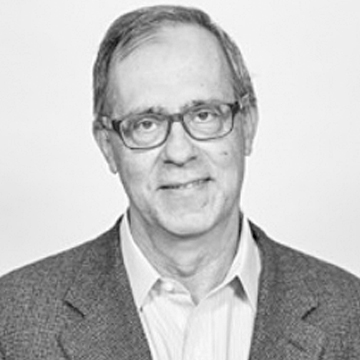
Luis holds a University Degree in Civil Engineering (Universidad Politécnica de Madrid) and a University Degree in Economics (Universidad Pontificia de Comillas). He was awarded the Medal for Professional Merit from the National Association of Civil Engineers in 2013. He is a member of the Committee on Cities, Territory and Culture of the College, a member of the Executive Committee of the Urban Land Institute (ULI) and of Oriens. He has extensive experience in the development of large-scale projects, both national (Castellana Extension Project) and international (in the Philippines and Norway) and in companies in the construction and banking sectors, among others. He has also contributed to numerous articles and publications, and was one of the “six living engineers” highlighted in César Lanza’s 2011 publication Seis ingenieros vivos. He is the author of Ciudades del siglo XXI (2012) and co-author of Energía y Ciudades (2917) and Cambio climático y pueblos indígenas (2019). He is currently managing partner of Tecnopen, a building energy consultancy firm.
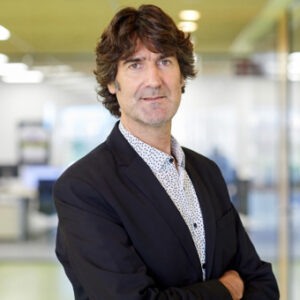
Technical Architect and University Specialist in Territorial Planning. Manager of Adaptation to Climate Change in the City, Territory and Environment Area at Tecnalia, where he coordinates projects in areas related to territorial management, nature-based solutions (NBS) and adaptation to climate change. He works regularly with public entities, service operators and companies. He has been involved in international initiatives and projects for more than 20 years, advising municipal authorities in Bilbao, Madrid, San Sebastian, Valencia and Vitoria, regional entities such as the Government of Navarra, IHOBE and the Basque Energy Agency, as well as international organizations such as OLADE. He has coordinated the development of guidelines for adaptation to climate change in Spanish municipalities, the integration of climate change in urban planning, NBSs for adaptation to climate change and the analysis of the effectiveness of NBSs. It participates in working groups on these matters in ISO, CEN and UNE, as well as in the Spanish mirror group of the European Mission on Adaptation to Climate Change.
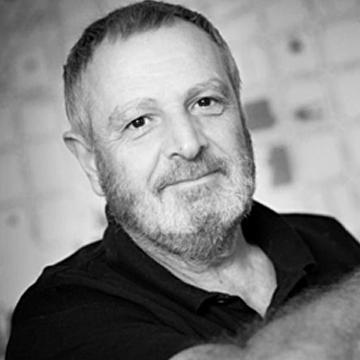
Urban ecologist; Doctor Honoris Causa by the Veritas School of Architecture of Costa Rica. Salvador is an urban ecologist and president of the Fundación Ecología Urbana y Territorial; founder and director of Barcelona’s Urban Ecology Agency 2000/2020. He specializes in the analysis and planning of complex systems. He has developed models of urban occupation and metabolism with sustainability criteria, conceiving a new form of urbanism: Ecosystemic Urbanism and a new urban cell: the superblock, the basis of the mobility and public space model and the basis of an urban planning model for any urban system. He has created a new dictionary for reading the city and a measuring tool for calculating urban complexity (diversity of legal entities). He has managed more than 400 urban and territorial projects in 144 cities around the world. He has also authored a number of books, including: Ecología urbana; Urbanismo Ecosistémico; Libro verde de medio ambiente urbano; Barcelona, ciudad mediterránea, compacta y compleja. Una visión de futuro más sostenible; Certificado del Urbanismo Ecosistémico; Regenerando el Plan Cerdá. De la manzana de Cerdá a la supermanzana del urbanismo ecosistémico (2020); Carta para la planificación ecosistémica de las ciudades y las metrópolis (2021). He also participated in the drafting of the book 20 años de La Agencia de Ecología Urbana de Barcelona (2022) summarizing the theoretical and practical work he spearheaded over 20 years at the agency. He loves the city, but loves walking in the mountains. His best projects are his four children.
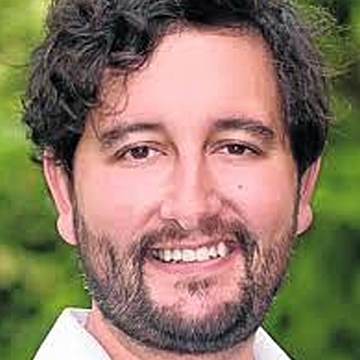
(Oviedo, 1985) is head of the Research Group at the Institute of Photonic Sciences (ICFO). After graduating in Telecommunications Engineering from the University of Oviedo and later in Mathematics from the UNED, he obtained his PhD in Photonics from the Universitat Politécnica de Catalunya. He began his research career at KU Leuven (Leuven, Belgium) before a postdoctoral stay at the University of Toronto. Currently, his research at ICFO focuses on the capture and conversion of CO2 into value-added products using renewable energies.
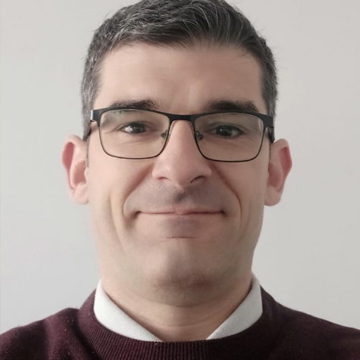
Dr. Israel Pagán is Professor of Molecular Evolution and Phytopathology in the Department of Biotechnology – Plant Biology at the Universidad Politécnica de Madrid (UPM), teaching on the University Degree in Biotechnology and the Master’s in Plant Bioengineering and Computational Biology, at the School of Agricultural, Food and Biosystems Engineering (ETSIAAB). He studied Biology at the Universidad Complutense de Madrid (2000). He later worked on plant-virus interactions in the research group under Dr. María Teresa Serra at the Centre of Biological Research (CIB-CSIC), developing mechanisms of resistance to sweet cucumber mosaic virus in tomatoes. In 2003 he was awarded an FPI contract and completed his PhD under the direction of Prof. Fernando García-Arenal at UPM, studying the factors that determine the evolution of virulence in plant viruses (2008, with the Extraordinary Doctoral Thesis Award). He then obtained a Marie Curie contract and moved to the group of Prof. Edward Holmes at Pennsylvania State University (USA) (2009-2011). There he analyzed the genetic and ecological mechanisms that lead to the emergence of viruses. In 2012, he obtained a Ramón y Cajal contract to undertake his line of research at the Center for Plant Biotechnology and Genomics (CBGP), where he obtained a Permanent Lecturer position in 2017. His group looks to understand the ecological factors and genetic determinants of seed-borne virus transmission, which is a major mode of transmission of these pathogens and an important factor in the emergence of crop diseases. The group also studies the epidemiological and evolutionary consequences of the adaptation of plant viruses to seed transmission. Dr. Pagán has published more than 60 research papers and is on the editorial board of several scientific journals. Currently, Dr. Pagán is also the secretary of the CBGP.
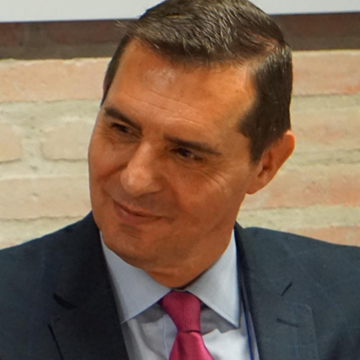
Professor of Regional Geographical Analysis at the Universidad de Alicante. Rapporteur for the International Year of Planet Earth (2008). Evaluator of the 5th IPCC report. He is internationally recognized as a researcher in the geographic fields of spatial planning, natural hazards, climate change and the theory of geography. President of the Spanish Geography Association (2017-2021). Director of the Chair of Climate Change-Waters of Alicante at the Universidad de Alicante. He is a regular contributor to the programme Fin de Semana COPE.
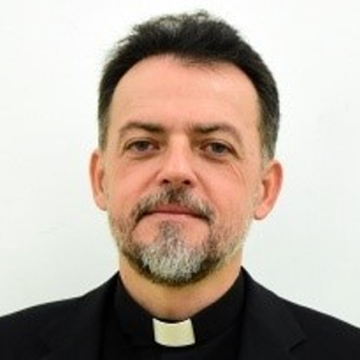
Priest of the Diocese of Rome, fidei donum to the Latin Patriarchate of Jerusalem, since 2007 permanent professor of Sacred Scripture and Archaeology at the Studium Theologicum Galilaeae, affiliated to the Pontificia Università Lateranense and from 2022-2023 visiting professor at the Franciscan Studium Biblicum. Member of the Italian Biblical Association. Canon of the Order of the Holy Sepulchre from 2019. Since 2024, he has been Director of Domus Bethaniae, a study center that allows students to obtain a Diploma in Theology on Christian Origins, recognized by the Vatican Dicastery for Education and Culture and promoted by the Pontificia Università Lateranense in Rome, with unique validity. One-year degree in Sacred Theology. For many years he has led pilgrimages to the Holy Land, Jordan, Egypt, Cyprus and Turkey, and teaches catechesis in several Latin and Greek Catholic parishes in Galilee. For several years now it has received permission from the Holy See to celebrate in the Greek Catholic (Melkite) rite. In addition to contacts with the Arab world, it has relations with several rabbis (including those of the Chief Rabbinate of Israel) and various institutions involved in Jewish-Christian dialogue. Since 2014 he has been a broadcaster for Radio Maria Italia and since 2020 a broadcaster for Radio Maria Spain. He is the author of several scientific publications in the biblical and Targum fields and on Second Temple Jewish literature.
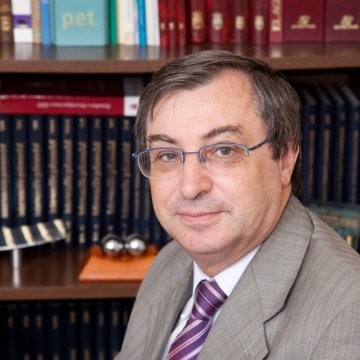
First Vice-President of the General Council of Psychology of Spain.
Dean-President of the Official Professional Association of Psychology of Madrid.
Vice-Secretary of the Interprofessional Union of the Region of Madrid.
Member of the Spanish Academy of Psychology.
Professor of Social Psychology of the Faculty of Psychology of the Universidad Complutense de Madrid.
Director of the Research Group “Psychosocial factors and volunteering” at the Universidad Complutense de Madrid.
Author of more than 30 scientific articles on volunteering.
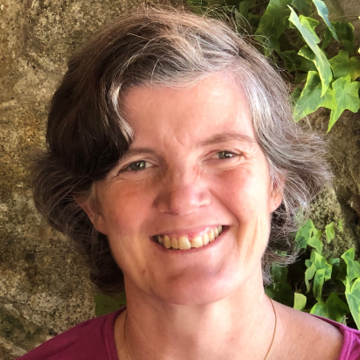
Katia holds a University Degree in Biology from the University of Leiden in the Netherlands and PhD in Society and Culture from the Universidad de Barcelona. She is an associate lecturer at the Universidad Pontificia de Comillas and occasional lecturer at numerous universities in Spain. She coordinated the Higher University Course “Nature as a learning scenario” at the Universidad Rey Juan Carlos and is a lecturer on the University Expert Course “Educating in nature” at the Universidad de Las Palmas de Gran Canaria. She is co-founder of the first nature play school in Spain, the Grupo de Juego en la Naturaleza Saltamontes and the Naturaleza Inclusiva initiative, aimed at families with children with disabilities. She is an ambassador for the “Children in nature worldwide hand in hand” movement, conference speaker, trainer and author of numerous publications, including her books Somos naturaleza, Jugar al aire libre and Educar en la naturaleza, mejores personas para un planeta mejor. The forthcoming work La naturaleza que nos cuida will be published soon.
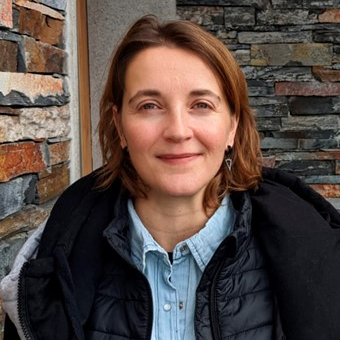
Alicia is a Professor at the Universidad Miguel Hernández (UMH), where she directs the Department of Social and Human Sciences. She teaches on the University Degree in Journalism and on the Interuniversity Master’s degree in History of Science and Scientific Communication. De Lara has conducted important research on the social communication of climate change and journalistic innovation. She is coordinator of the UMH Scientific Culture Unit and founder of the UMH Sapiens outreach platform. Professor of Journalism at Universidad Miguel Hernández in Elche. Member of the governing council of the academic staff.
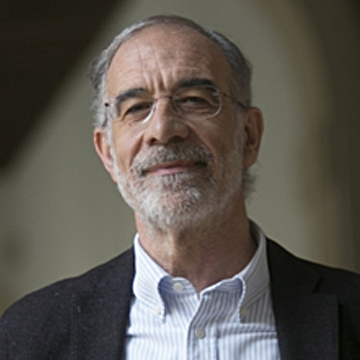
Emilio Chuvieco is Professor of Geography at the University of Alcalá and Director of the UAH Chair of Environmental Ethics. In 2022, he received the Jaume I Award for the Protection of the Environment. He was also awarded the Ministry of the Environment’s “Batefuegos de oro” Forest Fire Research Prize in 2004, and the excellence in doctoral thesis supervision prize in 2016. In 2021 he received the Universidad de Alcalá award for research excellence and the medal of honor from the same institution. He has been a visiting researcher at the Universities of Berkeley, Cambridge, Santa Barbara, Maryland, Oxford and the Canadian Remote Sensing Center. He has 6 recognized six-year research periods and 1 transfer period. He has supervised 43 doctoral theses. He is currently working on a doctoral thesis in ecotheology at Oxford University.
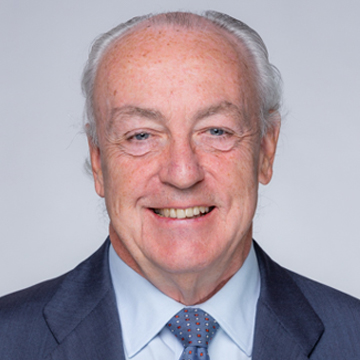
Nemesio was born in Madrid, on 1 February 1957. He has worked as a technical commercial officer and State Economist since 1981. He also served as Secretary of State for Energy. He has worked at Repsol for more than twenty years, where he has been responsible for the Commercial and Exploration and Production areas, as well as General Business Director (COO). He has been Chairman and CEO of Diario ABC and Vice-Chairman of Vocento. He is a former Chairman and CEO of Isolux Corsán and a former Chairman of Eolia Renovables. He is a professor at IE University and Universidad Carlos III. He is a member of the Advisory Board of LLYC, Chairman of the Advisory Board of Engie Spain and Chairman of the Energy Transition group of Alantra Partners.
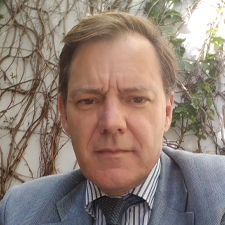
Armando holds a University Degree in Law from the UAA and a Master’s Degree in International and Financial Law from Georgetown University, a Master’s Degree in Government from Harvard University and a Master’s Degree in International Relations from Boston University. He also holds a PhD in Political Economy from the London School of Economics and Oxford, and a postdoctorate in Sustainable Development from Stanford University, where he conducted research and lectured as a Visiting Professor.
He is Professor of International Relations and Director of the Master’s Degree in Public and Corporate Governance at UFV. He has a long academic career teaching at major universities in Europe, the United States and Mexico. Until the end of the year he was academic director of the Atlantic Institute of Government. He is now CEO of Business Development at consultancy firm Alamo Solutions founded by Juan Verde, one of the most important figures at the heart of the political and commercial relationship between the United States and Spain.
In the energy sector, he has served in a position equivalent to Secretary of State for Energy in Mexico, as President of the North American Interconnections Committee for Gas and Electricity, as Coordinator of Supply and Demand Prospectives, etc. He has also been Director of Strategic Planning of the Presidency of the Republic in Mexico, Regional Minister of Economy, Economic and Financial Advisor in different Embassies. He has also worked as consultant for large transnational companies in their international expansion programs.
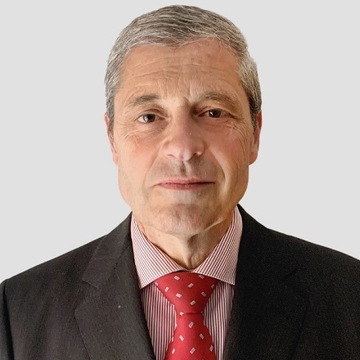
Managing Director of GIASP. Ignacio is a prospectivist and expert in strategic intelligence, strategic foresight and futures. He was included on the latest Forbes list of the best foresight experts in Spain. Infantry Colonel (r) with a diploma in military intelligence (DIM). With more than 20 years of teaching experience in strategic intelligence and foresight. Full professor of Intelligence in the Department of Intelligence and Security at the Escuela de Guerra. He has conducted advanced and basic Army Intelligence and Security courses. Chief of Security course and operative agent course. Director and Professor of the Armed Forces and CNI Intelligence courses. Professor on the Postgraduate Degree in Economic Intelligence and Security (PIES) at ICADE of Universidad Pontificia de Comillas and Mas Consulting. Professor at the Universidad Internacional de la Rioja (UNIR). He has completed a number of domestic and overseas intelligence courses, including the first Higher Course on Intelligence and Security held in the FAS in 2000. He has completed the NATO Intelligence Analyst Course (NIAC) from the NATO School Oberamergau in Germany. Teaching Aptitude Course (CAP). Professor at several domestic and overseas universities, as well as at ICEX. Member of the Society for International Studies. Author of numerous articles and presentations at various national and international conferences on strategic intelligence and foresight in support of internationalization.
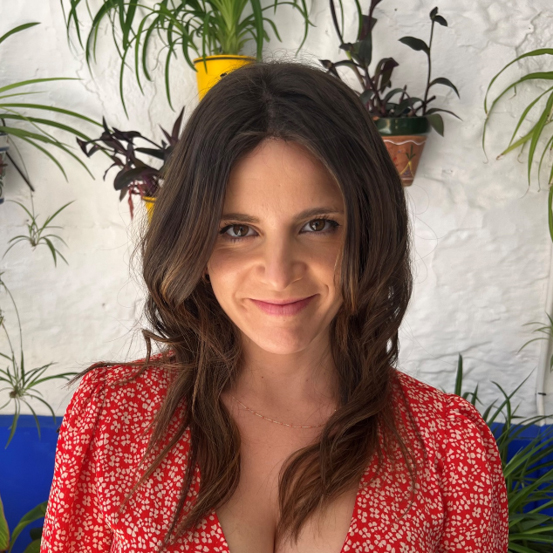
(Campo de Criptana, 1991) Ana Iris Simón studied at C.P. Vicente Aleixandre and IES Alpajés and later studied Journalism and Audiovisual Communication at Universidad Rey Juan Carlos. She worked as a shop assistant, and her first job as an editor was at TELVA, magazine, where she oversaw of the culture section of the website. She then joined the team at VICE Spain and worked as a scriptwriter at the foundation of RTVE’s Gen Playz. In 2020 she published Feria (Círculo de Tiza), her first book. She writes a Saturday column in El País and contributes to various media, such as ELLE magazine, Espejo Público (Antena 3) or La Ventana (Cadena Ser).
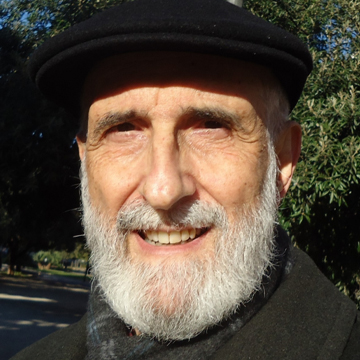
José Pérez Adán is a Professor of Sociology and author of some fifty books. His publications include: Socioeconomía (1977), Repensar la familia (2015), Sociología moral (2021) o La sociedad por venir (2022). He is a founding member of the Asociación Iberoamericana de Comunitarismo [Ibero-American Association of Communitarianism], AIC, and vice-chancellor of the Universidad Libre Internacional de las Américas, ULÍA.
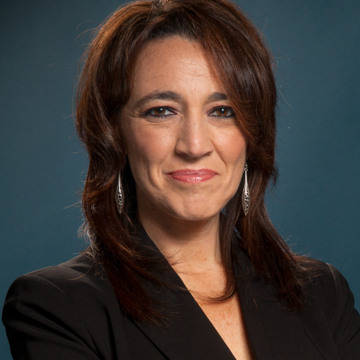
Cristina holds a University Degree in Political Science and PhD from the Universidad de Zaragoza, where she lectures in sociology. Her areas of interest are sustainability and democratic quality, and especially governance for the ecological transition, which she works on in research centers such as Globernance, BC3 and itdUPM. She also sits on the boards of Ecodes and Fundesplai. She is a member of the advisory board of Llorente y Cuenca and Ethic magazine. She has participated on the Open Government Forum since 2018; on the Advisory Council for Development Cooperation since 2019; and, since its creation, as part of the Methodological Advisory Group of the accountability project of the Presidency of the Government of Spain, ‘Cumpliendo’.
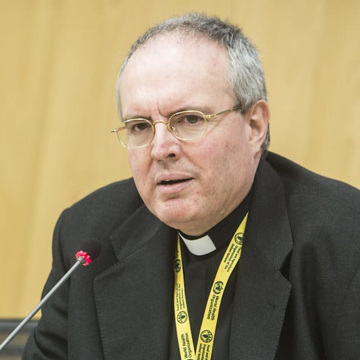
Fernando Chica Arellano was born in Mengíbar, in the province of Jaén. He attended the José Plata Gutiérrez and Manuel de la Chica schools in his hometown. He completed his baccalaureate at the “Virgen del Carmen” Secondary School in Jaén.
He studied philosophy and theology at the Diocesan Seminary of Jaén. He was ordained a deacon by the then Bishop of Jaén, Mons. Miguel Peinado Peinado on 29 September 1985 and ordained priest on 19 April 1987.
In Rome he broadened his studies, first as a student at the Pontificio Colegio Español de San José and attending the Pontifical Biblical Institute, where he obtained a University Degree in Biblical Sciences (1989); in 1991 he obtained a University Degree in Dogmatic Theology at the Faculty of Theology of the Pontifical Gregorian University in Rome. He defended his doctoral thesis in Ecclesiology at the same university under the supervision of Ángel Antón Gómez, SJ.
In his diocese, he exercised his priestly ministry in the Parish of San Ildefonso in the city of Jaén, as well as the Parishes of Santa Teresa de Jesús in Puente del Obispo (Jaén) and Nuestra Señora de Belén y San Roque, both in the province of Jaén. He was also first Deputy Director and then Director of the “Cardenal Merino” University Residence in Jaén (1995-2000). From 1991 to 2000 he was Professor of Theology and Sacred Scripture at the Diocesan Seminary of Jaén and at the Center for Pastoral Theological Studies of the same Diocese.
In 2000 he was called to the Pontifical Ecclesiastical Academy, where he studied International Law. In 2002, he obtained a University Degree in Canon Law at the Pontifical University of the Holy Cross in Rome.
On 1 July 2002 he entered the diplomatic service of the Holy See, first as Attaché and then as Secretary, at the Apostolic Nunciature to Colombia.
In 2006 he was posted as Secretary to the Permanent Mission of the Holy See to the United Nations in Geneva. Then, in June 2007, he was appointed Head of the Spanish Section, with responsibility for Spanish language affairs at the Secretariat of State of the Holy See, accompanying Pope Benedict XVI on a number of pastoral visits to Spain and Latin America. From 10 June 2008, he combined this work with the post of Assistant to the President of the Pontifical Ecclesiastical Academy, where future diplomats of the Holy See are trained.
On 12 February 2015, he was appointed by Pope Francis as Permanent Observer of the Holy See to the Food and Agriculture Organization of the United Nations (FAO), IFAD and WFP.
On 9 July 2005, Benedict XVI appointed him Chaplain to His Holiness. On 23 February 2016 Pope Francis conferred on him the title of Prelate of Honor of His Holiness.
He has written several books and numerous articles in canon law, biblical, theological and spiritual journals.
COMMUNICATIONS PROGRAM
Communications table 1 (13:00) H Building Hall
A PERSON-CENTRED ECOLOGY: A PLANET FOR PEOPLE
Chaired by: Rafael Monterde
Alejandro Landero
Principles for an Integral Ecological Transformation and the “EcoVida Project”
José María Larrú Ramos
No Integral Ecology Without Ecological Conversion
Lílian Santos
Gene Editing and Laudato Si’
José Luis Lucas Sánchez
Principles of Integral Ecology: Foundations for the Moral Mandate to Care for Our Common Home
Ismael Abad Bayo
Ethical Contribution and Environmental Responsibility in the thought of Edith Stein. The Relationship Between Person and Environment.
Álvaro De la Torre Gil
Demanding Respect for Dignity as the Foundation of an Integral Ecology. Special Attention to the Reality of Abortion and Euthanasia
Carmen Molina Cobos
The Ethics of Virtues and Their Importance in the Socio-Environmental Crisis
Communications table 2 (17:00) H Building Hall
CARING FOR THE PLANET, HUMAN POPULATIONS, AND SOCIAL CHALLENGES
Chaired by: Javier Rubio
Míriam Montero Hidalgo
How Can Catholic Social Teaching Illuminate the Management of Nature’s Benefits?
Beatriz Arroyo Pastor
The Essential Relationship Between Integral Ecology and Evolutionary Anthropology as a Key Factor in the Evolution of the Genus Homo
Juan Enrique Armas Cálasich
Soqtapata: A Project Committed to Nature and Humanity
Alonso Muñoz Pérez
Theological-Political Analysis of the “Ecological” Topos: Using the “Environment” for Political Control and Ecclesial Support of a Liberation Theology 2.0?
Silvia Albareda-Tiana / Mónica Fernández Morilla / Emilio Chuvieco
The Role of Religions in Climate Action: An Exploratory Study in Catalonia
Communications table 3 (17:00) Degree hall
ENVIRONMENTAL CARE AND THE CHALLENGE OF HUMAN HEALTH
Chaired by: Javier Galán
Carmen De la Calle Maldonado
Naprotechnology and Integral Ecology
Josemaría Medina Villaverde
Survival of the Coastal Areas
Jorge Sánchez-Calero Guilarte
From Pharmaceuticals to Our Common Home
María de las Mercedes / Franco Hidalgo -Chacón
Sustainability in Physiotherapy
Communications table 4 (18:00) H Building Hall
HUMANITY’S SPACE WITHIN OUR COMMON HOME
Chaired by: TBD
Marta Elizalde Arriaga
Botany in the Bible. God’s Garden
Susana Bautista Blasco
Our Common Home: Man as Part of the Whole
Pau Cardoner
The Virtue of Temperance in Catholic Asceticism
Communications table 5 (18:00) H Building Hall
SCIENCE AND TECHNOLOGY FROM THE PERSPECTIVE OF INTEGRAL ECOLOGY
Chaired by: TBD
Maribel Castañeda Muñoz
The Need for a New Research Paradigm Linking Natural Disasters, Climate Change, and Education
Santiago Sardinero
Habitat Restoration to Promote Biodiversity and Ecosystem Functioning, Combat Desertification, and Mitigate Climate Change at the Local and Regional Levels
Pedro Rincón Arévalo
Rethinking solar energy harvesting through sustainable materials
Felipe Samarán Saló
Building with Responsible Energy
Communications table 6 (18:00) Degree Hall
THE ECOLOGICAL KEY IN EDUCATION: CHALLENGES AND TASKS
Chaired by: Jesús Alcalá
José Luis Villegas Moreno
Integral Ecology and Sustainable Campuses: A Strategic Challenge for Catholic Universities
Francisco Javier Rubio Hípola / Cristina María Ruiz-Alberdi Fernández / Susana Miró López
Analytical Models of the Human-Nature Relationship Applied to Board Games
Pilar Giménez Armentia / Daniel De la Rosa Ruiz / María José Ibáñez Ayuso
Design and Validation of a Tool to Measure University Students’ Attitudes, Behavior, and Ethical Commitment to the 2030 Agenda and Sustainability
Lorena Del Rey
Environmental Psychology: An Effective Tool for Designing Catholic Environmental Education Programs
Communications table 7 (13:00) H Building Hall
THE INTERNATIONAL COMMUNITY FACING THE ECOLOGICAL CHALLENGE
Chaired by: Víctor Cortizo
Jesús Sánchez Camacho
Sustainable Development and Integral Ecology: Discord or Dialogue?
Cecilia Font de Villanueva
The Importance of Institutions as a Growth Factor from a Historical Perspective. England and Spain in the 17th Century
María Zitto Soria
Background, Context, and Legacy of the First International Conference on the Environment
Eduardo Agosta Scarel
The challenge of mitigating climate change: A just and accelerated ecological transition
María Ángeles Martin Rodriguez-Ovelleiro
The Technocratic Paradigm, the Political Subject, and Nature Conservation
Javier Arjona García-Borreguero
The IPCC as a Scientific Response to Climate Change
Francisco Javier Sanz Larruga
Are the Rights of Nature an Aporia?
Communications table 8 (13:00) Degree Hall
INTEGRAL ECOLOGY AND HUMAN PROGRESS: WORK-FAMILY BALANCE, ECONOMY, AND THE CULTURE OF LIFE
Chaired by: José Luis Parada
José Luis Gómez Lega / José María Peláez Marqués
Corporate Responsibility in Forming Citizens Promoting Human Progress and Integral Ecology
Pablo Posada Ayala
The Human Ecology of Reproduction as a Foundation for Anthropology
Sagrario Crespo Garrido
Ectogenesis
Paulina Núñez Jiménez
Integral Ecology and the Challenge of Individualism
Juan Jesús Gutierro Carrascoz
From Reduction to Degrowth: From Hans Jonas to Pope Francis
Michael Dominic Taylor
Receiving the Gift of Creation: The Church’s Mission to Fulfil the Order of the Cosmos
SCIENTIFIC COMMITTEE
| Professor | Area of knowledge |
|---|---|
| Abellán Gª-Barrios, Álvaro | Communication |
| Abengózar Muela, Ricardo | Medicine |
| Agejas Esteban, José Ángel | Humanities |
| Álvarez Montero, Santiago | Medicine |
| Barahona Plaza, Ángel | Humanities |
| Bonete Román, Saray | Psychology |
| Bonnin Bioslada, Ana | Experimental Sciences |
| Bueno Pimenta, Francisco | Humanities |
| Caballero Martínez, Fernando | Medicine |
| Calderón Corredor, Zulema | Law |
| Cendejas Bueno, José Luis | Business Administration |
| Coronado Vázquez, Valle | Medicine |
| Cortizo Rodriguez, Victor | International Relations |
| Cosidó Gutiérrez, Ignacio | Law, Business and Government |
| De Cendra de Larragan, Javier | Law, Business and Government |
| De Jesús Gomez, Ruth | Psychology |
| Font de Villanueva, Cecilia | Business Administration |
| Galán Antoñanzas, Javier | Biomedicine |
| García Diaz, David | Humanities |
| Graíño Ferrer, Guillermo | International Relations |
| Hernández Ruiz, Victoria | Literature |
| Iglesias Badiola, Maite | Experimental Sciences |
| Lacalle Noriega , María | Law |
| López Gonzalez, Jorge | Education |
| López Rosado, Alberto | Engineering |
| Lozano Díaz, Vicente | Humanities |
| Martí Sánchez, Miguel | Humanities |
| Martínez Moraga, Consuelo | Communication |
| Meseguer Velasco, Juan | Humanities |
| Parada Rodríguez, José Luis | Humanities |
| Peñalba Rodriguez, Olga | Engineering |
| Perezzan Rodriguez, Ramiro | Experimental Sciences |
| Postigo Solana, Elena | Humanities |
| Prieto López, Leopoldo | Humanities |
| Prieto Muñoz, Federico | Engineering |
| Romero Muñoz, Juan Pablo | Experimental Sciences |
| Rubio Hípola, Javier | Humanities |
| Samarán Salo, Felipe | Architecture |
| Serrano Vicente, Juan | Humanities |
| Tejera, Águeda Mercedes | Experimental Sciences |
| Velasco Guerrero, Lorena | Law |