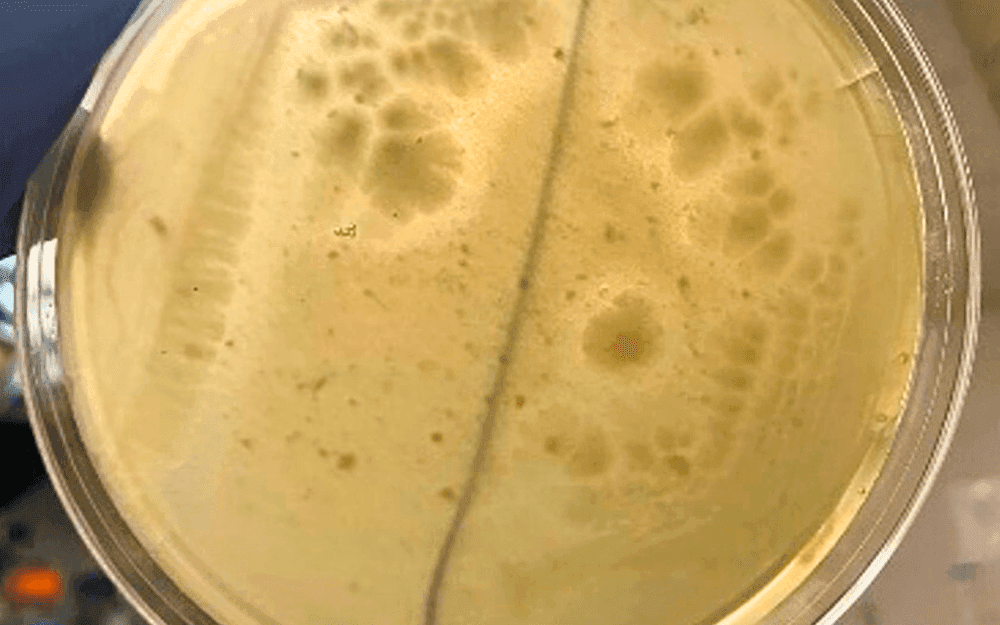
An international study involving the Francisco de Vitoria University (UFV) has found that microorganisms present in saliva can break down allergenic proteins and reduce the severity of allergic reactions.
Food allergies affect millions of people worldwide, and in the case of peanuts, even tiny amounts can trigger severe, life-threatening reactions, such as anaphylaxis. But a new international study points to an unexpected ally in the fight against this problem: the bacteria that naturally live in our mouths.
The study, published in the scientific journal Cell Host & Microbe and reviewed in Nature(https://www.nature.com/articles/d41586-026-00668-9), has shown that certain bacteria found in saliva can break down peanut proteins responsible for allergic reactions, thereby reducing their ability to trigger an immune response.
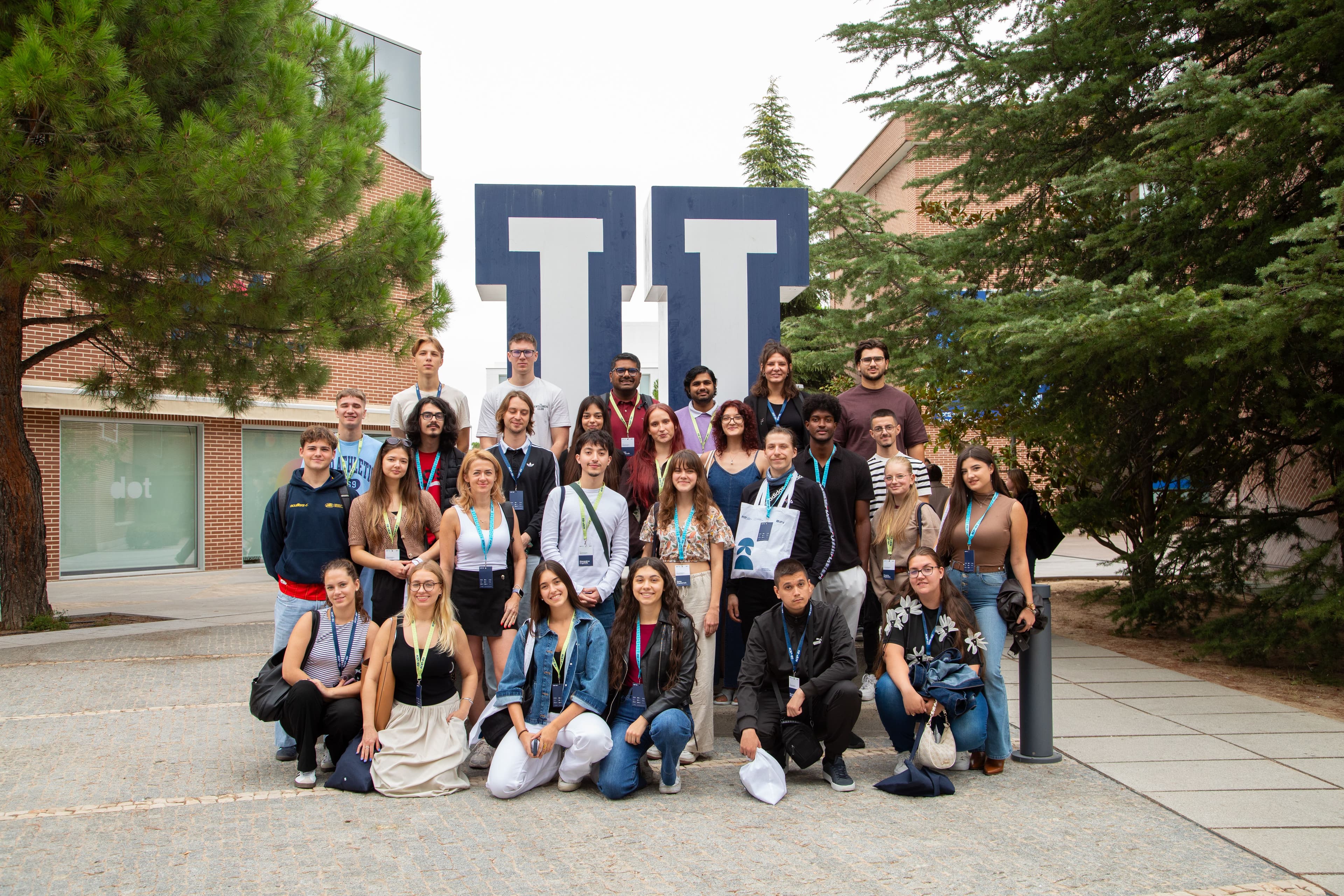
The study was led by scientists from the Institute for Health Research at La Princesa University Hospital (Madrid) and McMaster University (Canadá), including Dr. Rodrigo Jiménez-Saiz, a professor affiliated with the Bachelor's Degree Biomedicine at Francisco de Vitoria University.
We are gaining a better understanding of how the microorganisms that live in our bodies also influence how we react to food. In this study, we have seen that “some bacteria naturally present in the mouth can break down peanut proteins responsible for allergic reactions, thereby reducing their ability to trigger the immune system,” explains Dr. Jiménez-Saiz.