Ormuz
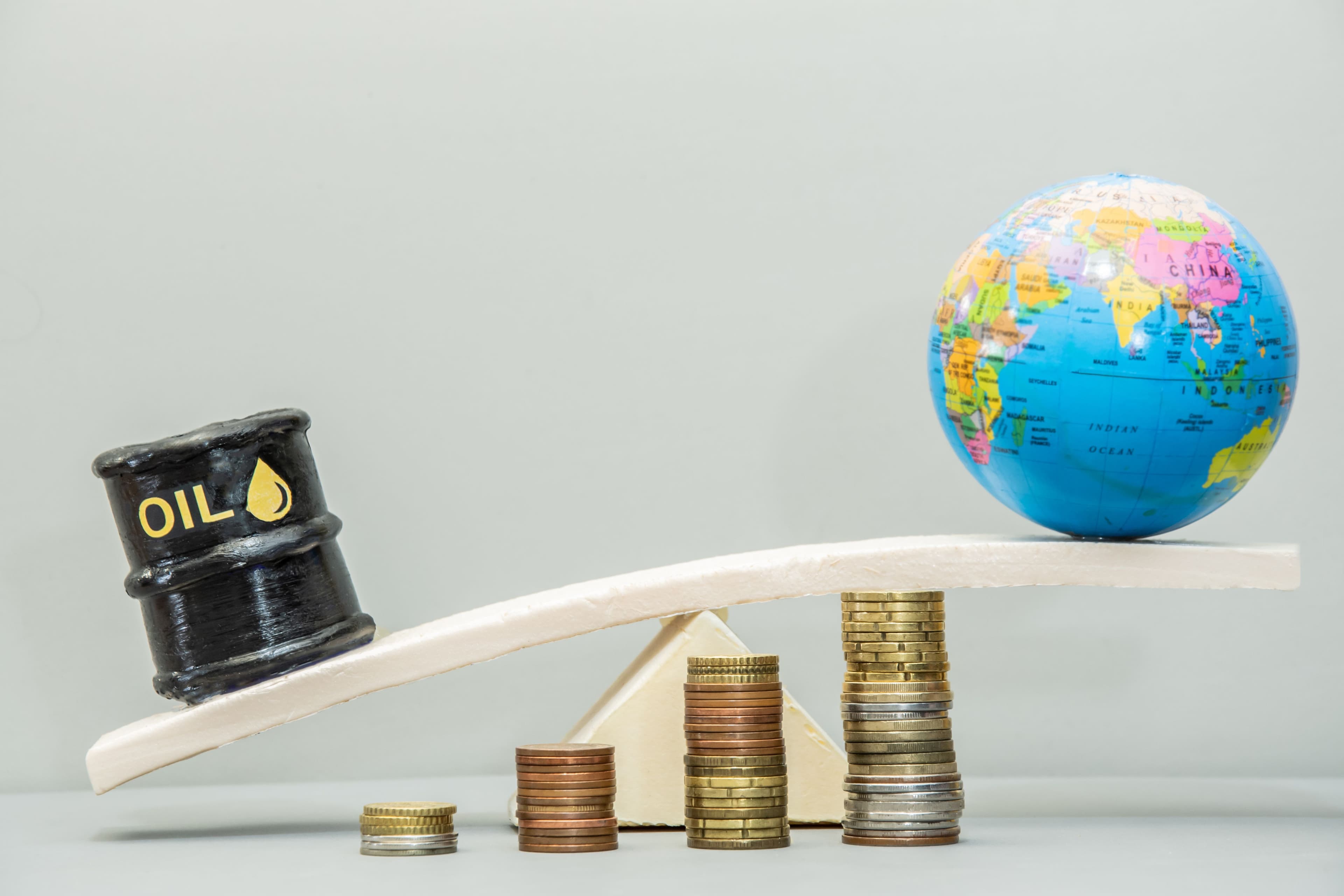
The conflict with Iran is affecting the Strait of Hormuz and, consequently, commercial traffic—both oil and other goods essential to the global economy. Thus, the closure of the Strait of Hormuz is not merely a regional event; it is a systemic shock with a major impact on global trade, energy, and, consequently, economic growth.
The Strait of Hormuz is no ordinary waterway. Approximately one-fifth of the world’s oil consumption passes through it. It is, therefore, a critical artery of the global economic system. Blocking it almost automatically leads to a contraction in the effective supply of crude oil on international markets. And when the supply of an essential commodity is suddenly restricted, the result is well known: a significant rise in prices.
The primary transmission channel is, therefore, energy-related. A sharp rise in oil prices is passed on throughout the economy’s cost structure. Transportation—by sea, land, and air—becomes more expensive, driving up logistics costs for virtually every good. Energy-intensive industries see their margins eroded. Ultimately, consumers bear the brunt of the impact through inflation, especially in a context where central banks continue to inject abundant liquidity into the markets. This reduces household purchasing power and causes consumption to contract. It is, in essence, a decline in real income.
Retail
The second channel is international trade. Rising transportation costs and geopolitical uncertainty are causing a decline in trade volumes. Supply chains, which have already been under strain in recent years, are becoming fragmented once again. Companies are responding by delaying investments, building up inventories, or seeking alternative routes that are more costly and inefficient.
This gives rise to a significant effect: forced deglobalization. Not as a strategic decision, but as a defensive reaction to risk. This implies less specialization, lower efficiency, and, ultimately, lower potential growth.
Finance
The third channel is financial. Markets react with risk aversion. Premiums rise, investment falls, and capital flows into assets considered safe. For highly indebted economies—such as Spain’s—this is no small matter: it makes financing more expensive and reduces fiscal maneuvering room.
In Spain’s case, moreover, the impact is doubly sensitive. As a net energy importer, rising oil prices and the appreciation of the dollar—the currency in which most oil transactions are conducted—worsen the current account balance and put upward pressure on prices. And as a service-based economy dependent on consumption and tourism, it is particularly affected by the loss of real income among European households, which will reduce their purchases—Spain’s exports—and travel less to Spain, with a negative impact on the tourism sector, which is so important to the Spanish economy. This effect could be partially mitigated by the arrival of travelers who switch their destinations from the Middle East to Spain, although the loss of purchasing power among citizens in our main source markets for tourists still has a negative impact.
It is worth emphasizing a point that is often overlooked: these shocks are not symmetrical. They do not affect everyone equally, nor do they resolve themselves automatically. Countries with greater flexibility—those with less rigid labor markets and lighter regulatory burdens—tend to adapt better. Those that are more structurally rigid—as is the case with Spain—may find the impact intensified.