This past June, Francisco de Vitoria University (UFV) held graduation ceremonies for students in Unidiversidad, Avanza, and Alma Tecnológica—three educational programs designed for people with intellectual disabilities that are part of the university’s commitment to inclusion, comprehensive education, and personalized support.
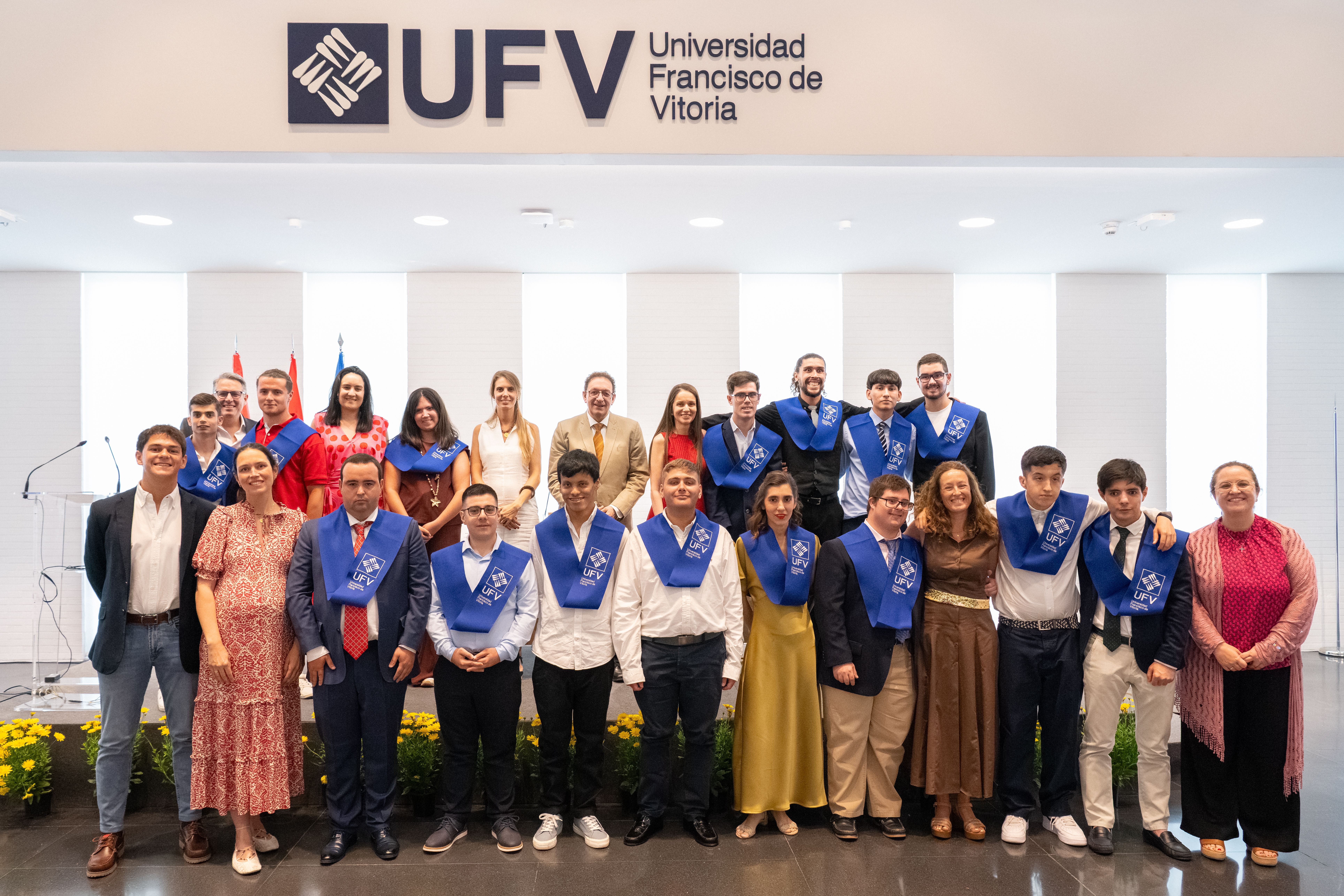
The graduation ceremonies have recognized the students’ hard work, growth, and achievements during their time at UFV. The ceremonies have brought together students, families, faculty, classmates, and academic staff for a particularly meaningful occasion to highlight the university’s role as a place for learning, connection, and personal development.
A university open to all students
The Unidiversidad, Avanza, and Alma Tecnológica programs reflect a shared conviction: university life can be a space for growth, autonomy, shared learning, and participation for people with intellectual disabilities.
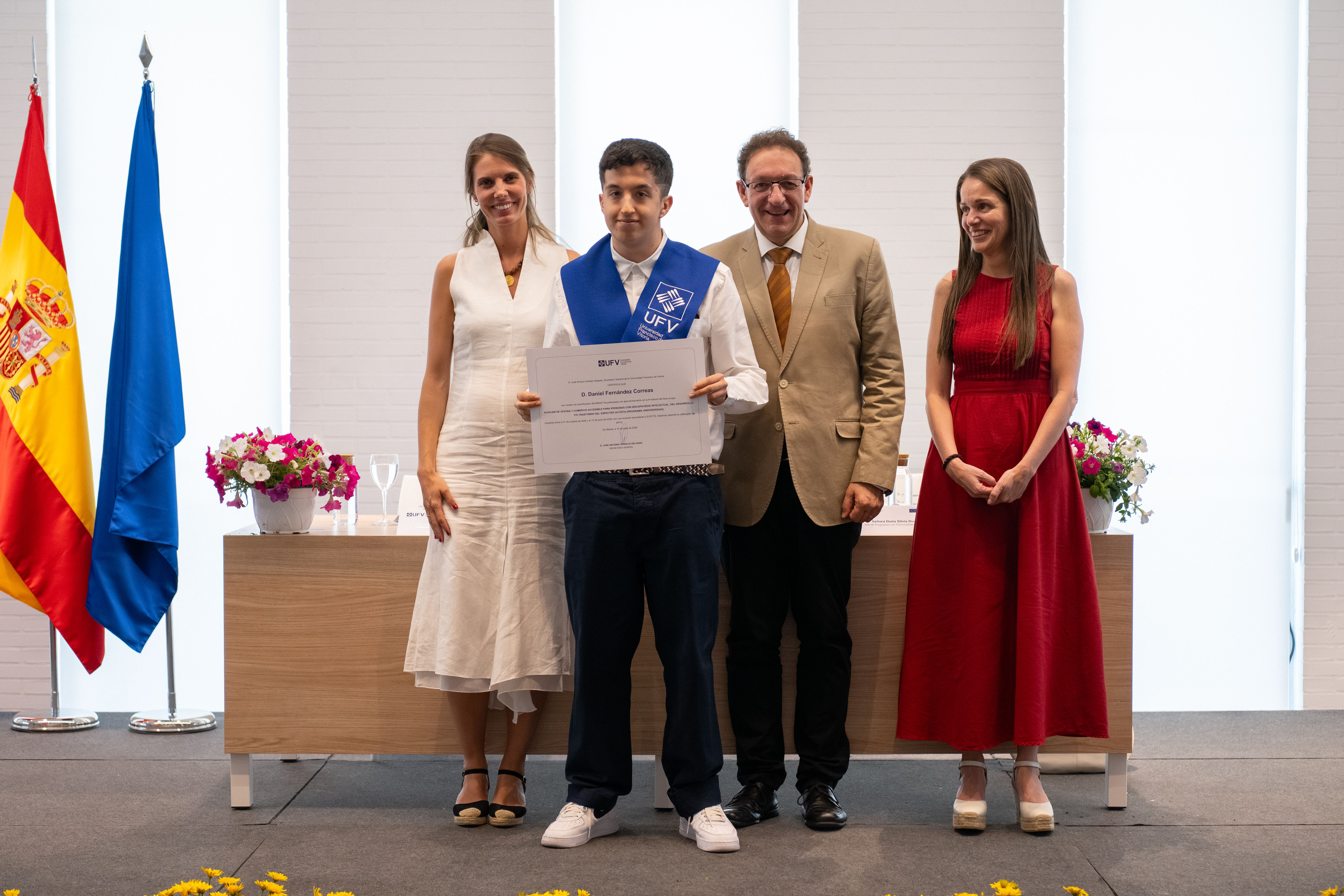
In the case of Unidiversidad, UFV carries out this initiative in collaboration with Fundación ONCE and Fundación Juan XXIII. The programme young people with intellectual disabilities to have a full college experience, fostering their personal, social, and academic growth in an inclusive environment. In its most recent edition, UFV noted that 17 young people with intellectual disabilities joined the campus through this programme.
Avanza, for its part, takes place on the UFV campus with the goal of promoting the inclusion and education of students with intellectual disabilities in university life. The initiative, linked to PROMIVA, allows students not only to use the university’s facilities but also to participate in activities typical of university life.
In addition to these programs is Alma Tecnológica, a training initiative developed by the UFV and the Alma Tecnológica Foundation, aimed at people with intellectual disabilities and ASD. The programme on developing skills related to new technologies through practical, adapted training designed to improve independence, strengthen skills, and enhance employability.
Training, Autonomy, and Support
The graduation ceremonies for these programs recognize the journey students have taken and the collaborative efforts of families, teachers, mentors, partner organizations, and support teams. Beyond marking the completion of an academic stage, these ceremonies symbolize the importance of creating real opportunities for education and participation for people with intellectual disabilities in the university setting.
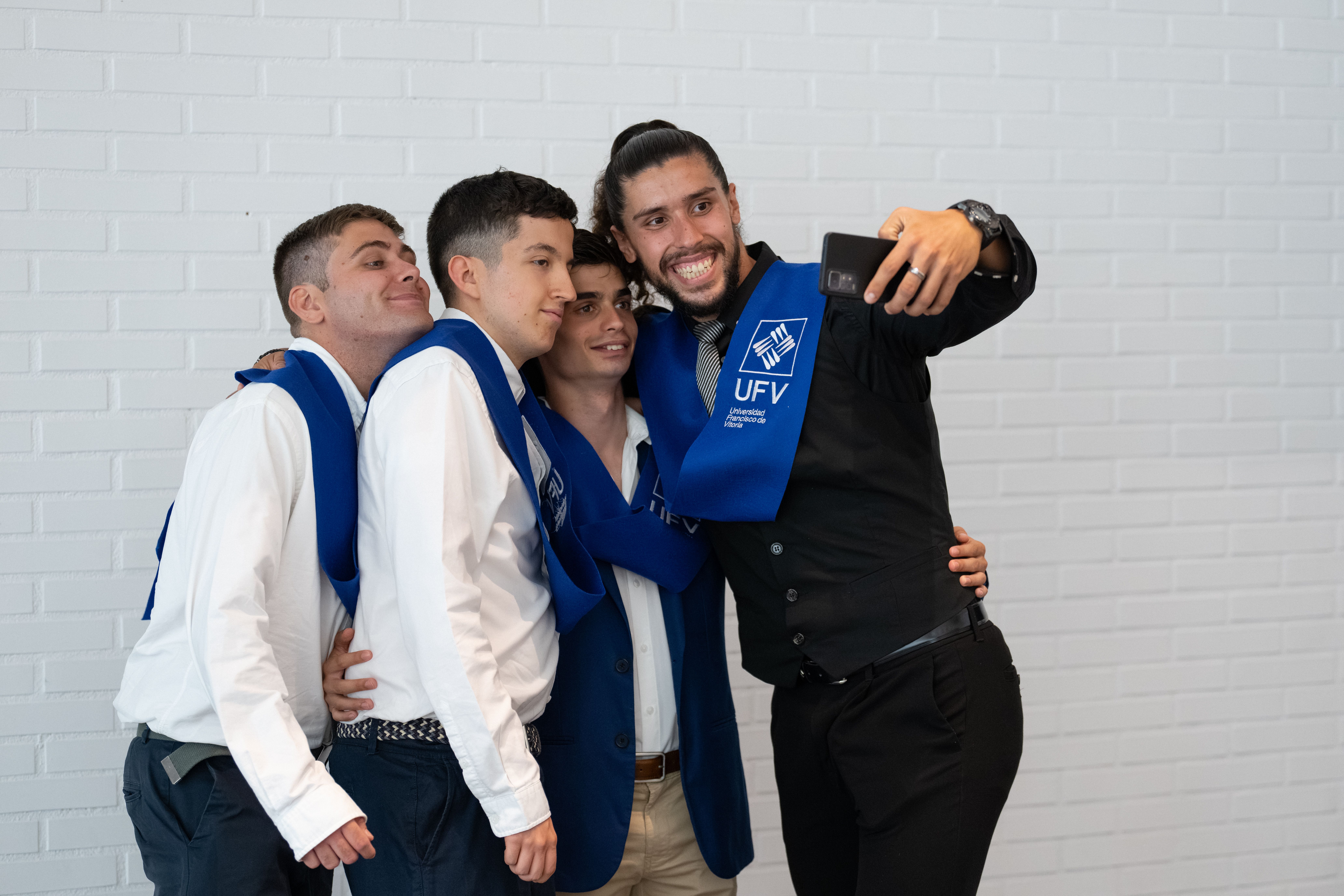
UFV views these programs as part of an educational experience that is not limited to the acquisition of knowledge, but rather seeks to support each student in their personal, social, and academic growth. In this sense, the presence of students with intellectual disabilities on campus also helps enrich the entire university community, fostering a more open, more aware, and more inclusive culture.
Through Social Action and the teams involved in these programs, the University promotes educational pathways that allow students to develop skills, strengthen their independence, interact with other students, and participate in university life based on their own abilities and needs.
Inclusion as Part of the University's Identity
These graduation ceremonies highlight UFV’s commitment to a person-centered education that recognizes the value and dignity of each student. Inclusion on campus not only expands opportunities for those who enroll in these programs, but also transforms the campus itself, making it a more diverse, participatory, and socially engaged space.
Through Unidiversidad, Avanza, and Alma Tecnológica, Francisco de Vitoria University is strengthening its commitment to an educational model that integrates knowledge, support, and social engagement. These programs help young people with intellectual disabilities have a meaningful college experience, develop new skills, and advance their personal and professional goals.
The 2026 commencement ceremonies are, therefore, a celebration of the students’ hard work and a testament to the value of a university that views inclusion as an essential part of its educational mission.