In his remarks, he highlighted the cross-functional efforts made by various university teams to ensure that no one is excluded from campus life: “I also want to thank the UFV teams working to ensure that people with disabilities can access their education.” “Building a campus that guides, supports, and cares for students is part of our mission: to place the individual at the center of innovation and the environment in which the university experience unfolds,” he added.
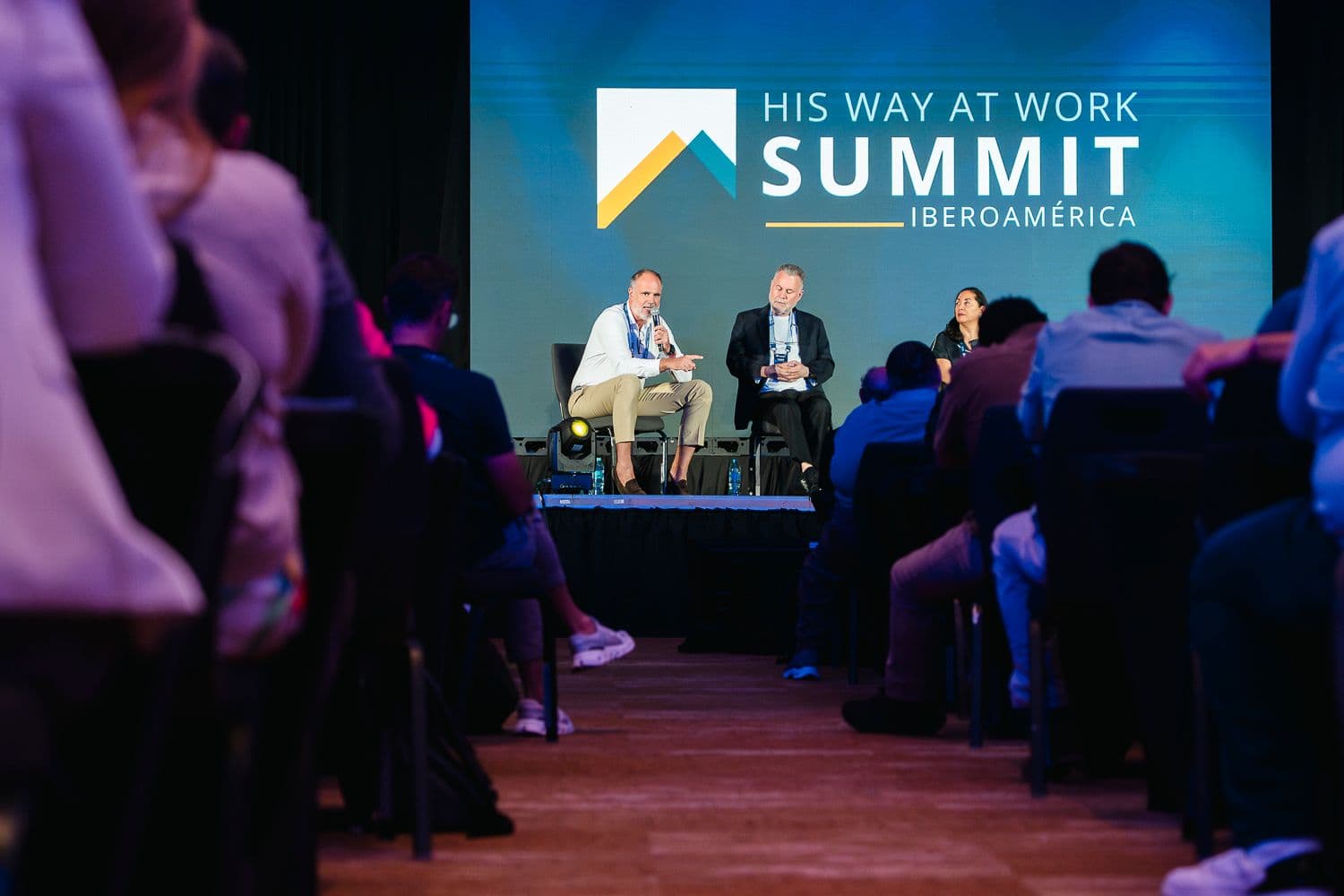
His remarks kicked off a panel discussion focused on the role of public policy and institutional collaboration as a driving force for progress toward more inclusive, accessible, and safe environments.
On behalf of the Pozuelo de Alarcón City Council, Eva Cabello Rioja, Councilor for Family and Disability Services, expressed her appreciation to the university, emphasized the role of local government as the institution closest to the public, and highlighted the cross-cutting nature of social inclusion: “Across all departments of the city council, our primary mission is to achieve social inclusion.”
Among the municipal initiatives, he mentioned the “recreation space,” adapted workshops, performing arts programs, adapted water activities, easy-read book clubs, and awareness-raising events. He concluded by noting: “There is still much to be done, and it is the responsibility of government agencies to promote social inclusion and eliminate barriers.”
For her part, Martha Pulido Pingarrón, Secretary General of the Regional Institute for Occupational Safety and Health of the Community of Madrid, explained the agency’s work: “The Regional Institute for Occupational Safety and Health is the agency that manages public policies related to occupational hazards; we foster a culture of prevention within Madrid society.” Within the framework of the Community of Madrid’s 7th Master Plan for Occupational Risk Prevention 2025–2028, she highlighted the section dedicated to diversity and emphasized the importance of tailored training: “That employability is not possible without taking occupational risk prevention into account, and it is very important that they receive that training.”
Speaking on behalf of the Ministry, Alba Villamor Anguiano, a technical advisor, highlighted the strategic importance of the project: “Events like this are important because they demonstrate the effort being made to create an inclusive society.” She explained that RED UFV was recognized for its replicable nature: “This project was one of the winners because it fit within the category of best practices and pilot programs that can be replicated.” She concluded: “We congratulate you for being pioneers and hope that this initiative will be replicated on other campuses.”