





7th EDITION
7th EDITION WINNERS
TEACHING
TEACHING AWARD
The program of great books at the University of Navarra
José María Torralba
Universidad de Navarra
___________________
RESEARCH
RESEARCH AWARDS
Body and Identity: A History of the Empty Self
Angela Franks
St. John´s Seminary
The Polycentric Republic: A Theory of Civil Order for Free and Diverse Societies
David Thunder
Universidad de Navarra
Thomistic Philosophy in the face of evolutionary fact: Methodological and conceptual insights for an integration
Juan Eduardo Carreño
Universidad de los Andes
___________________
HONORABLE MENTIONS
Insolent beauty. A proposal for appreciating contemporary art
Pablo López Raso
UFV
Augmented Education. Challenges for education in the age of artificial intelligence
Santiago Bellomo
Austral University
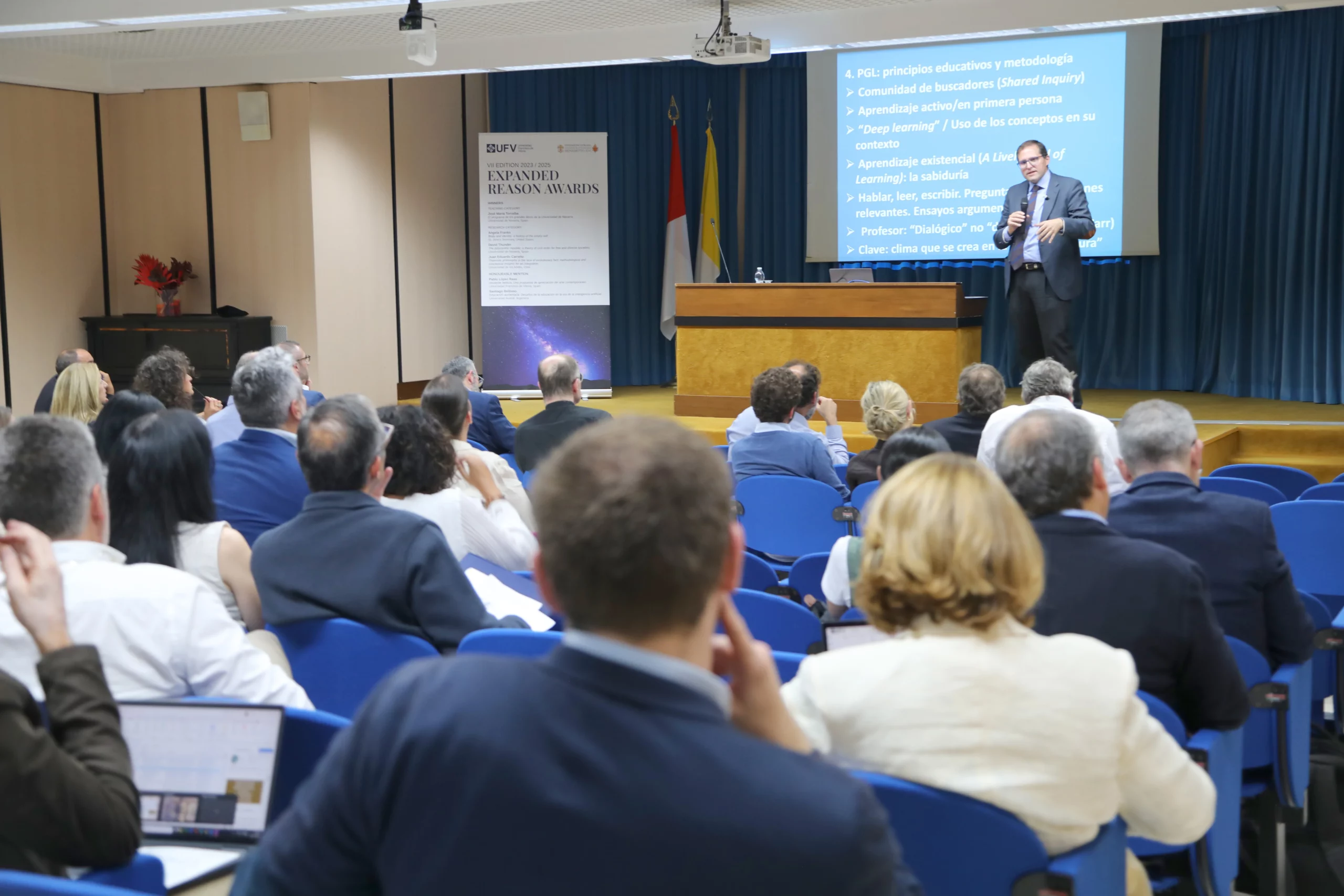
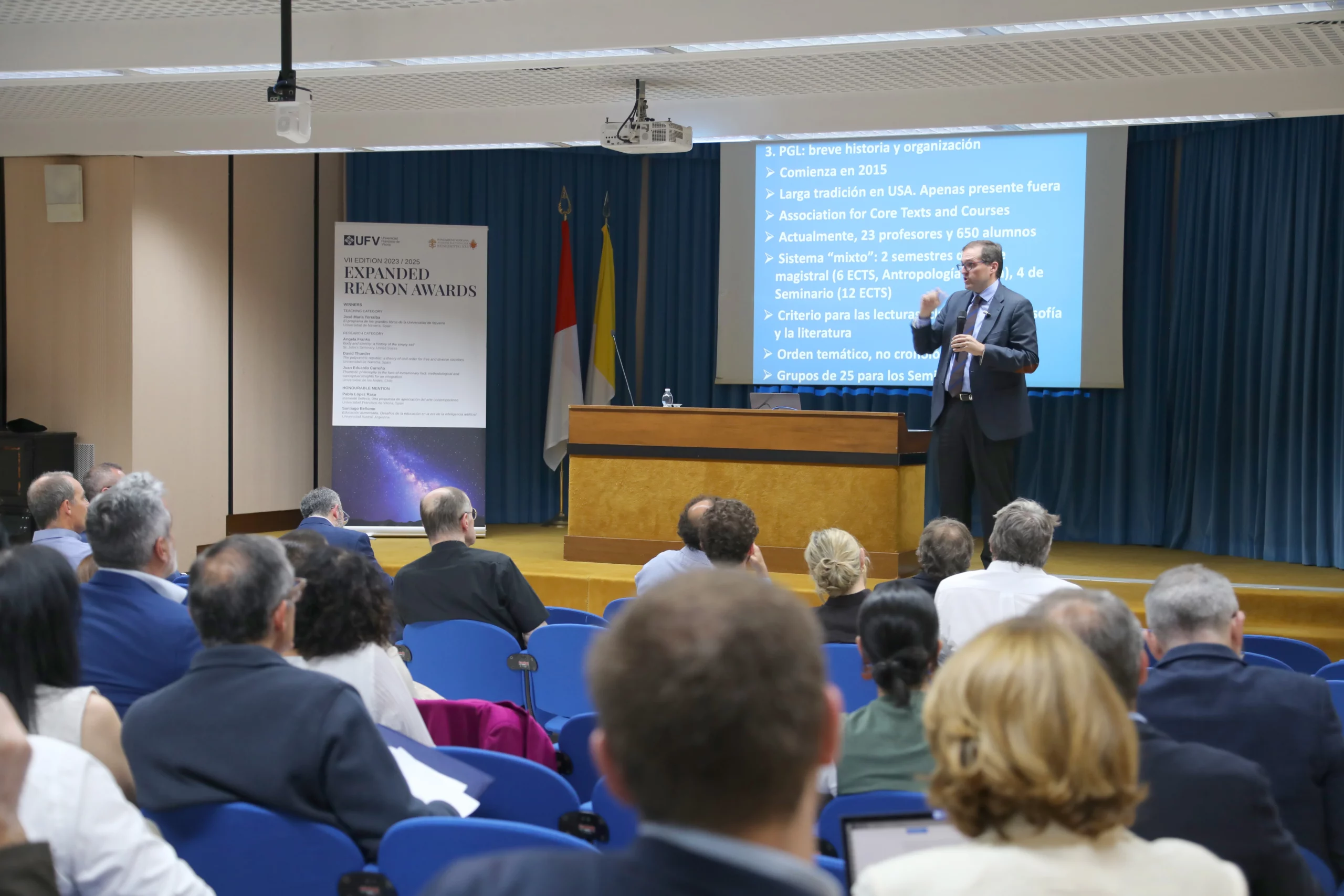
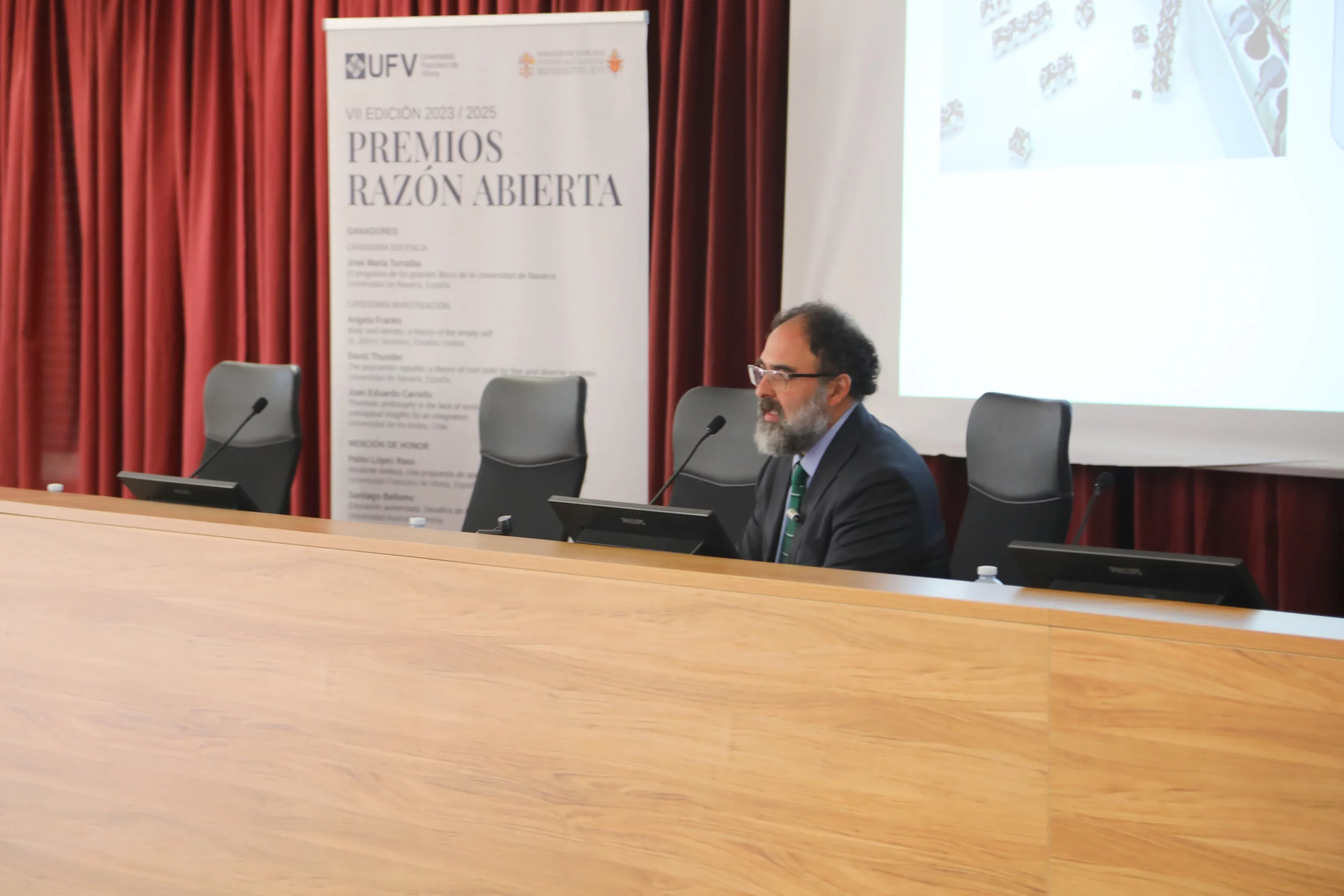
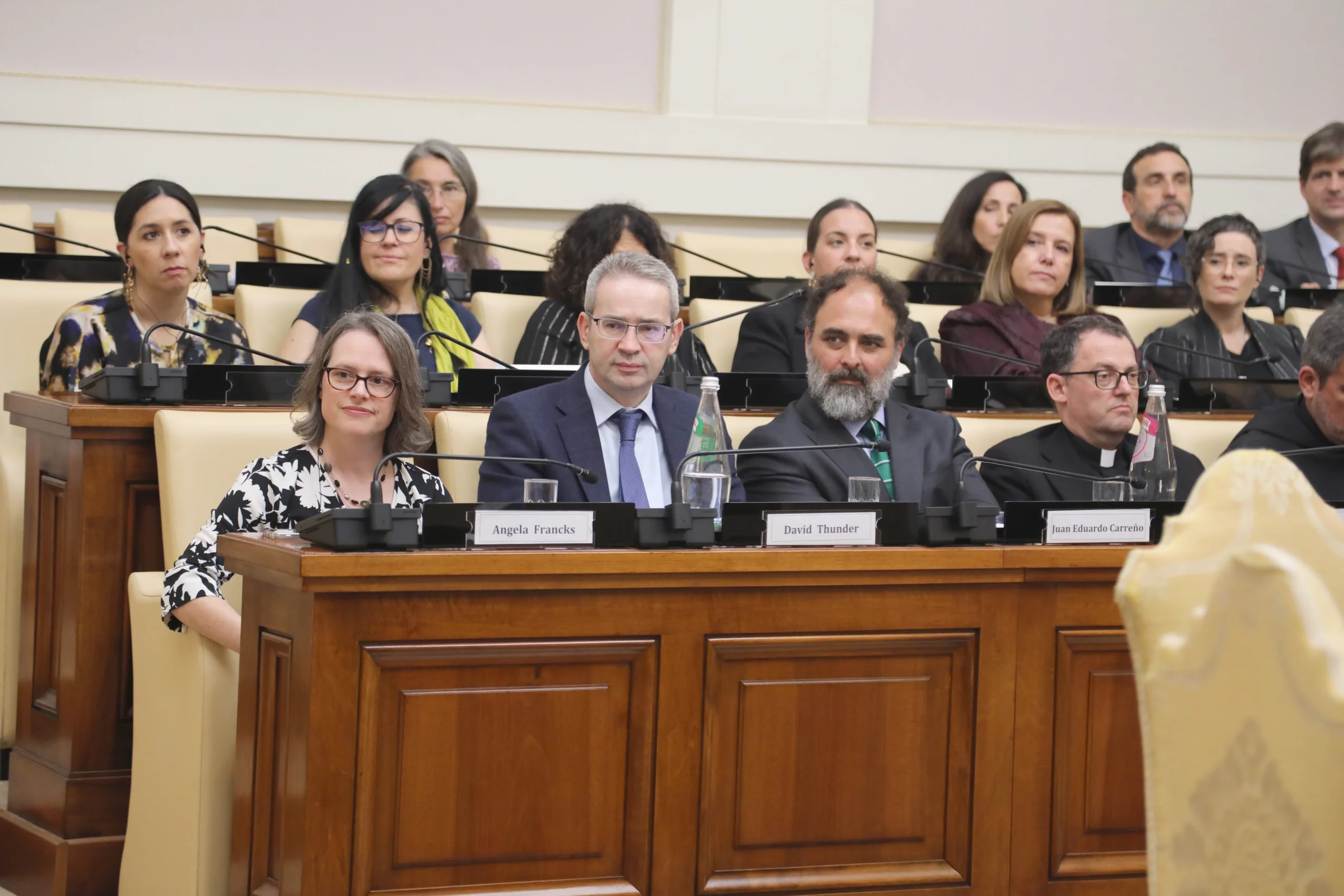
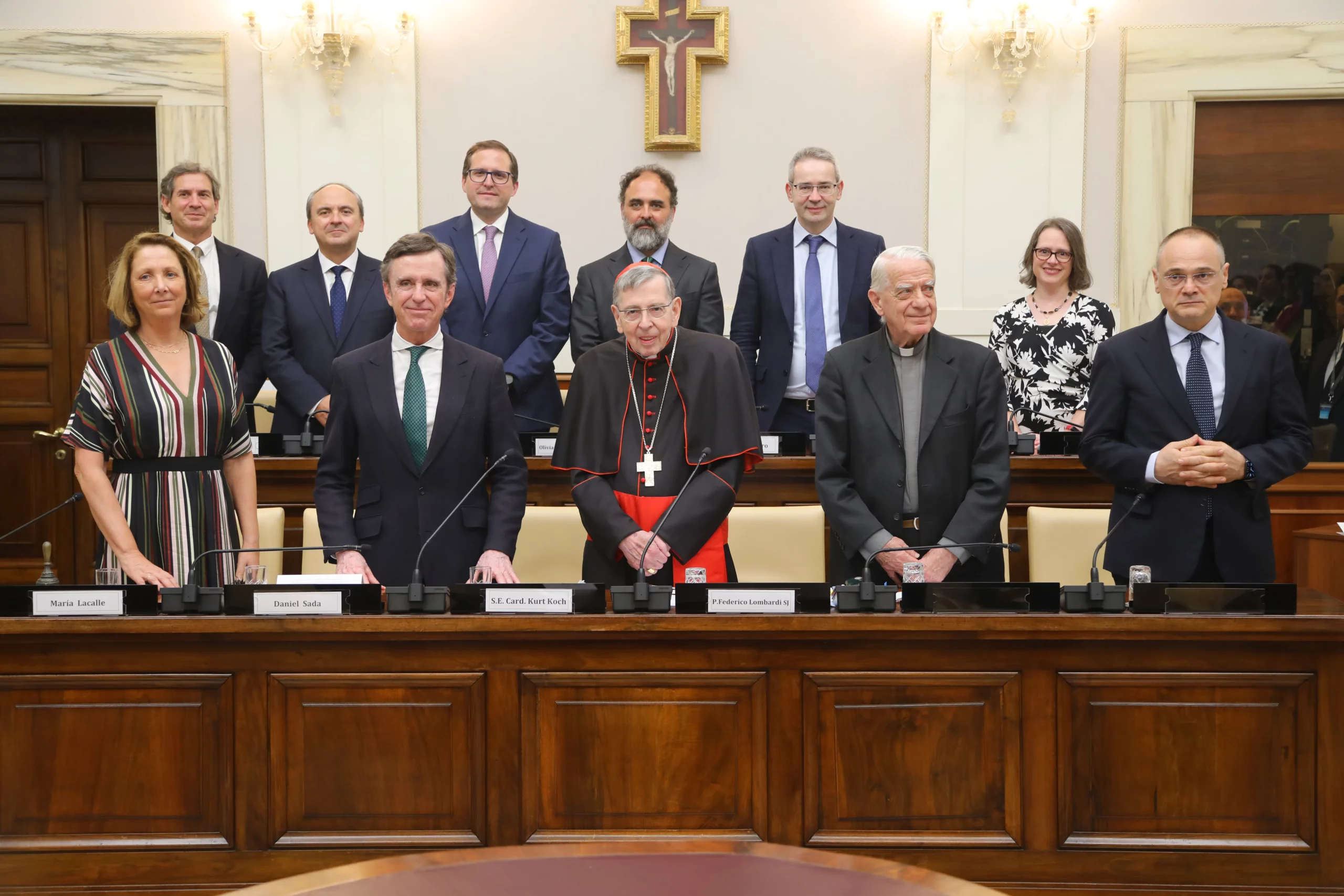
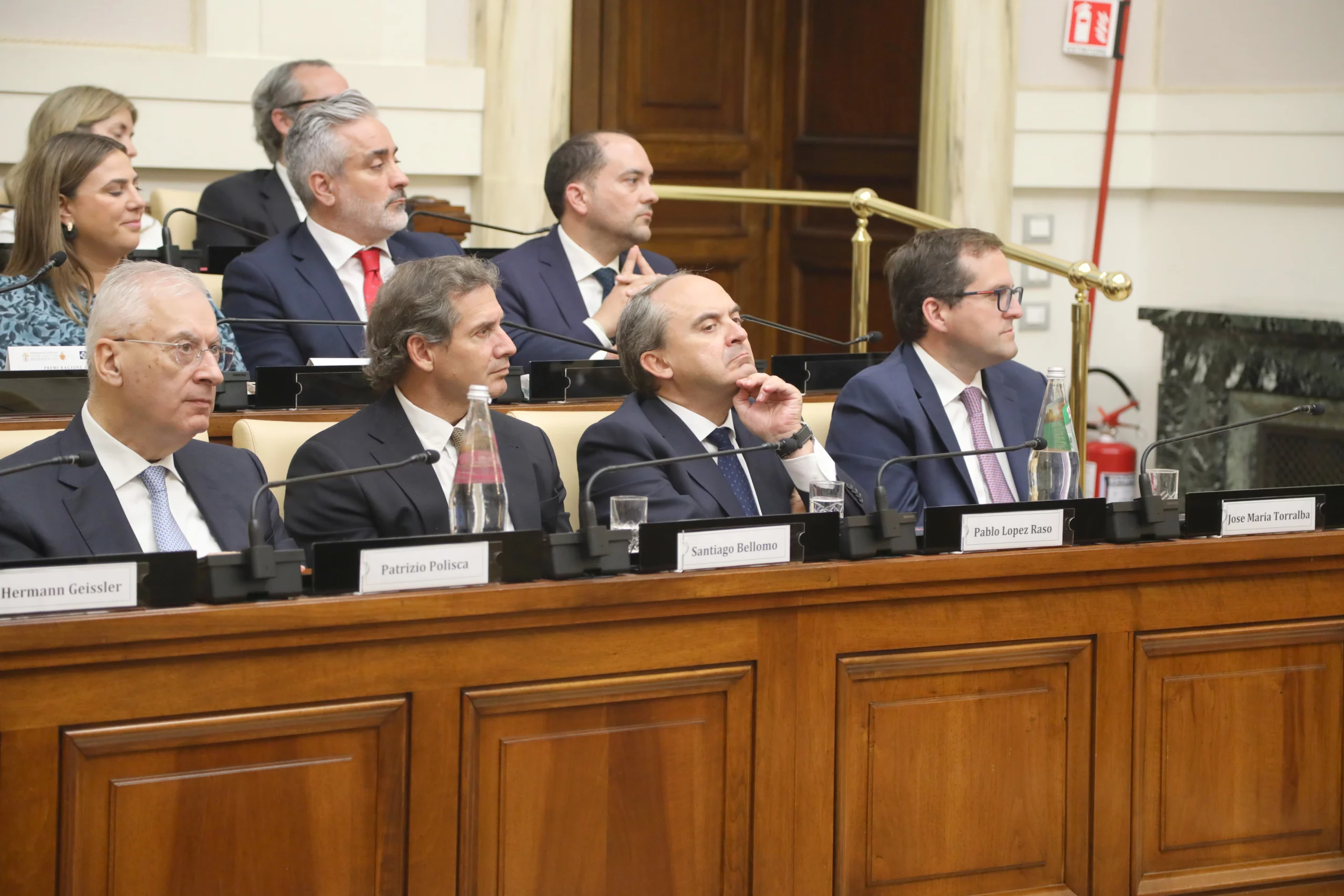
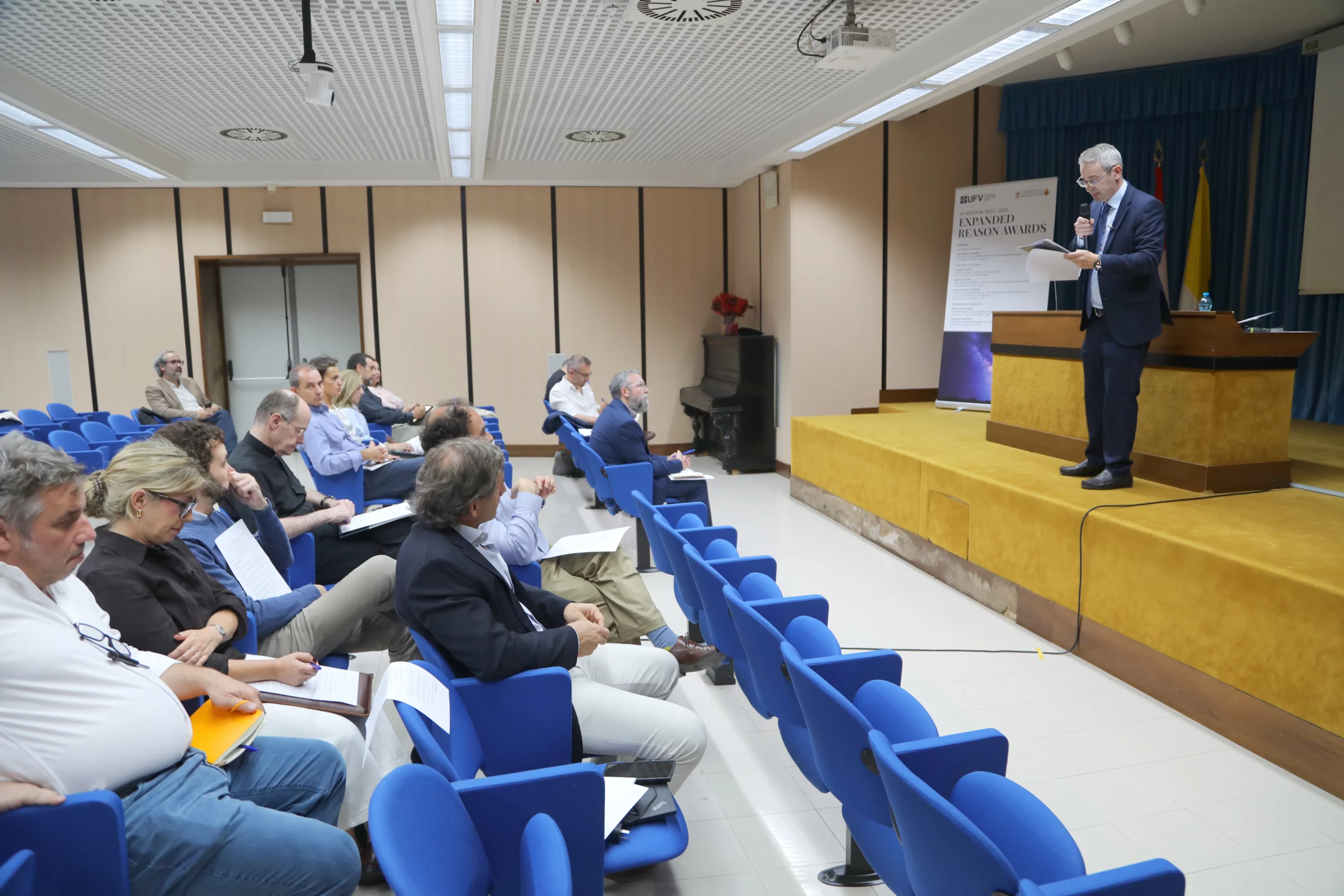

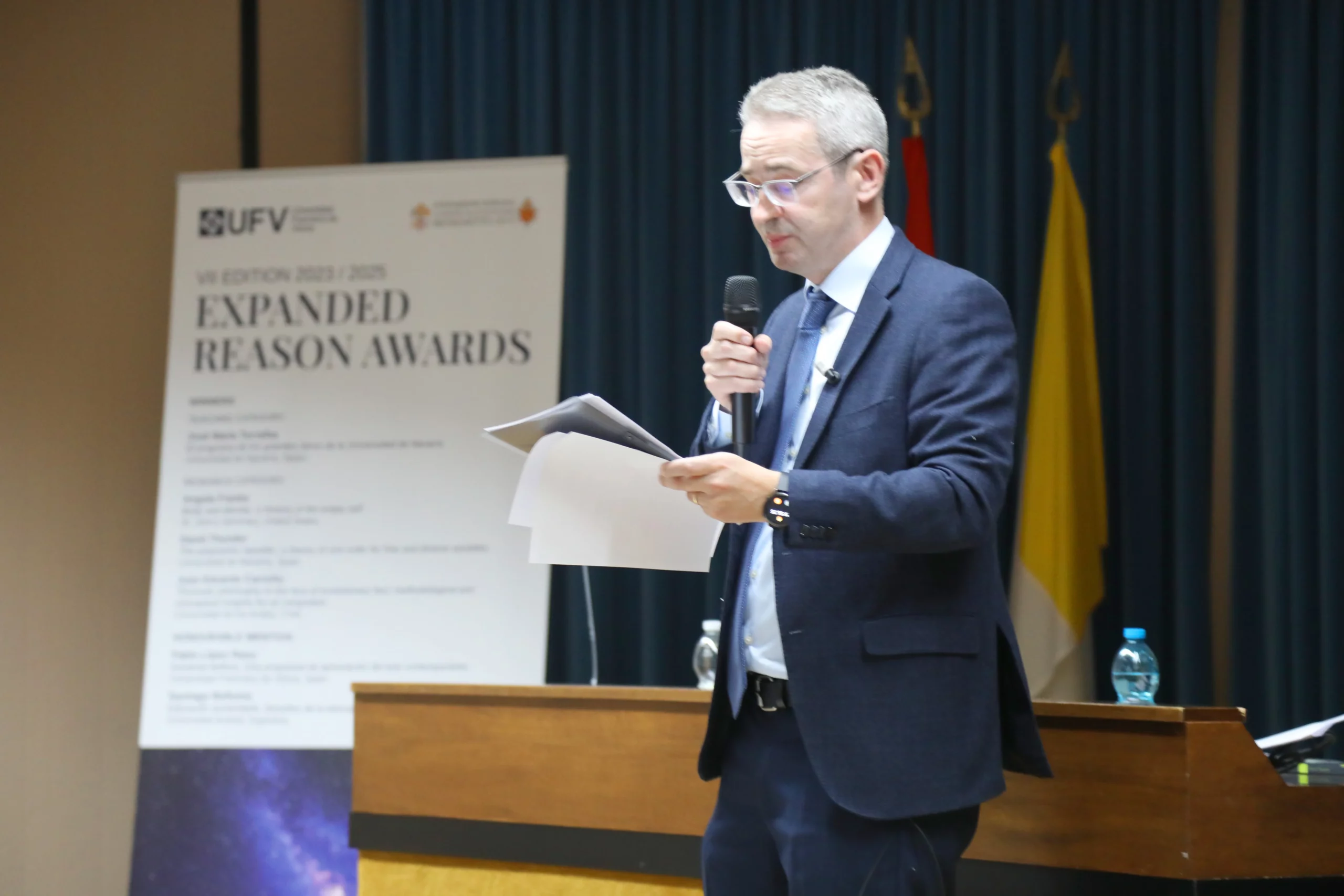

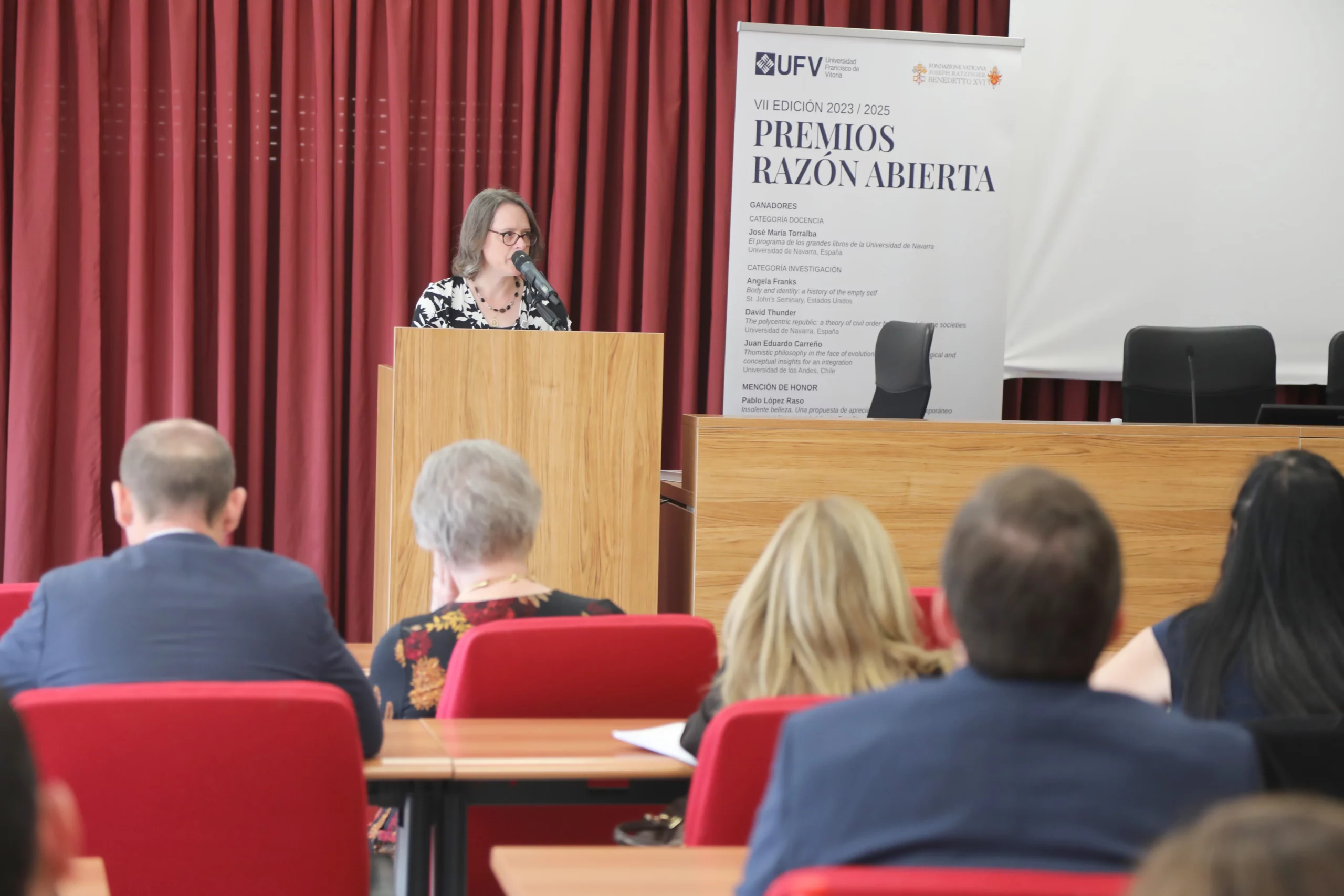

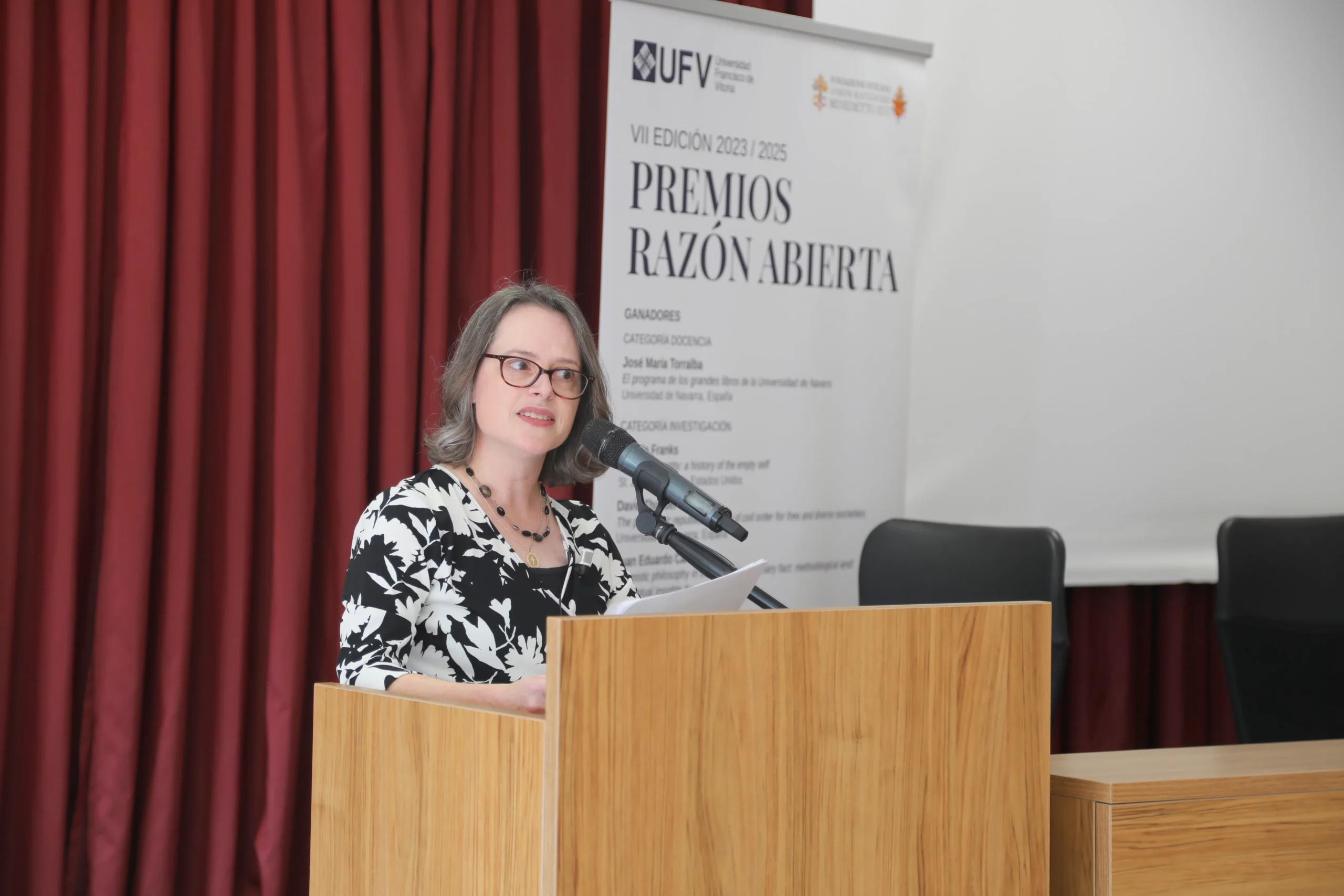
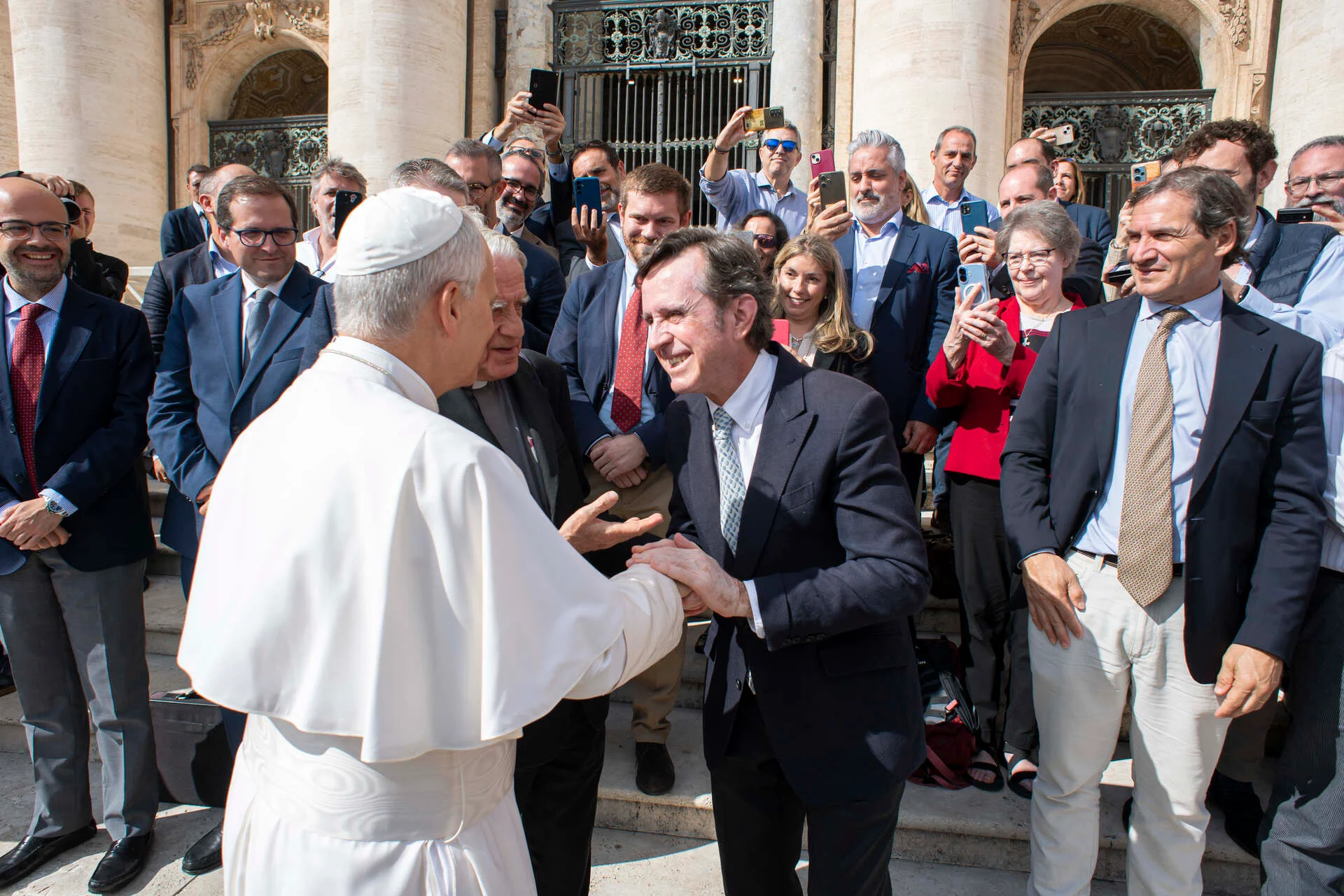

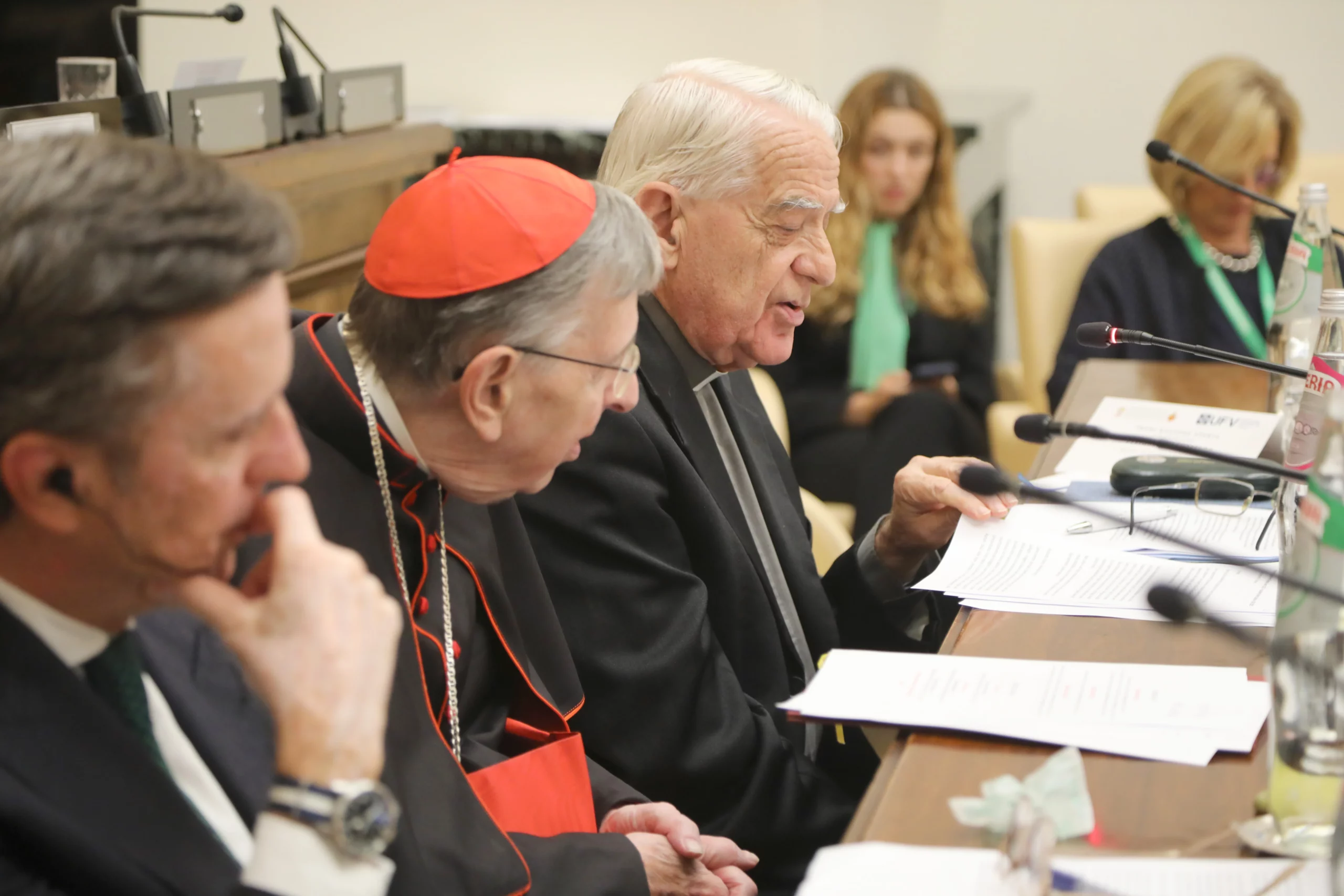
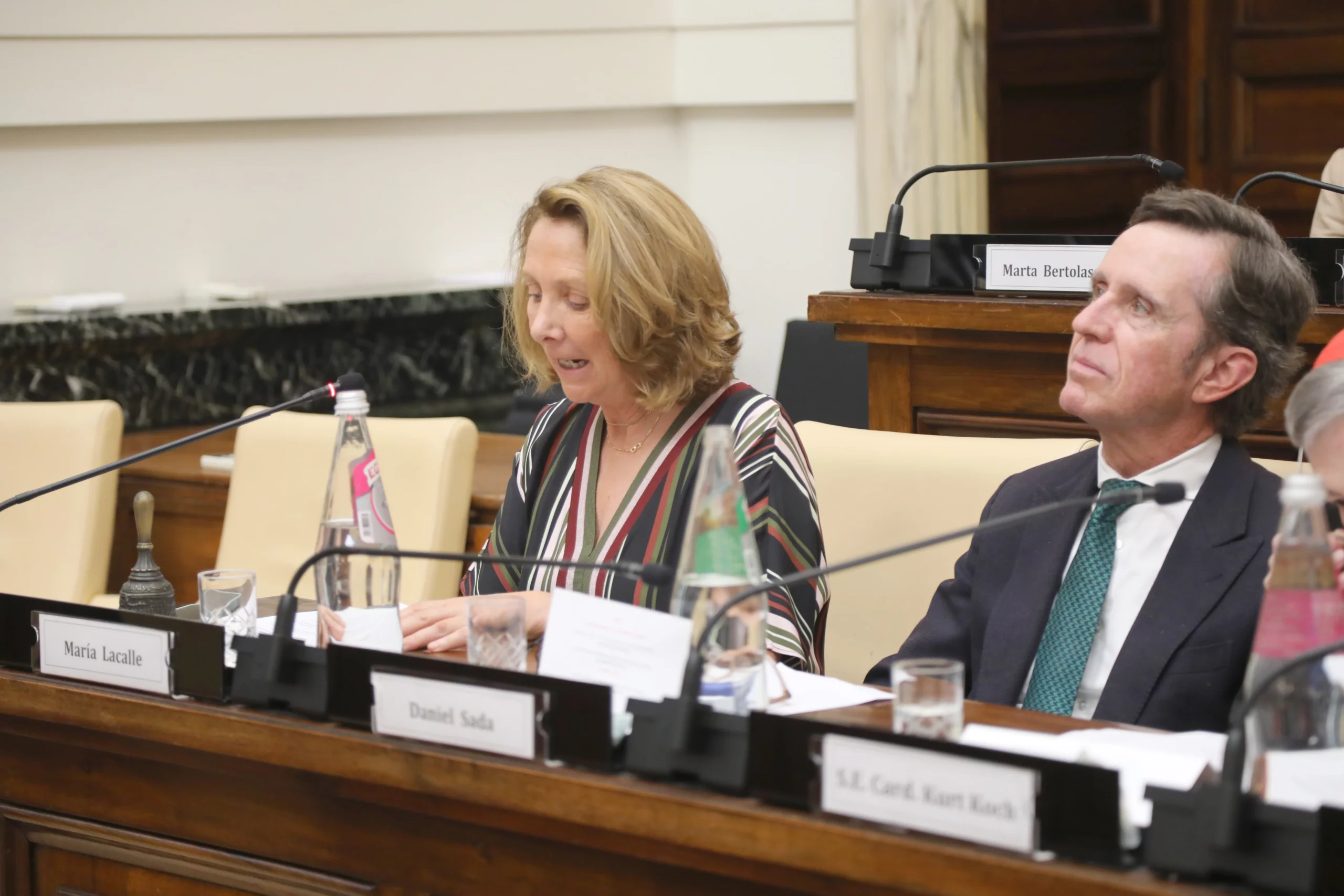
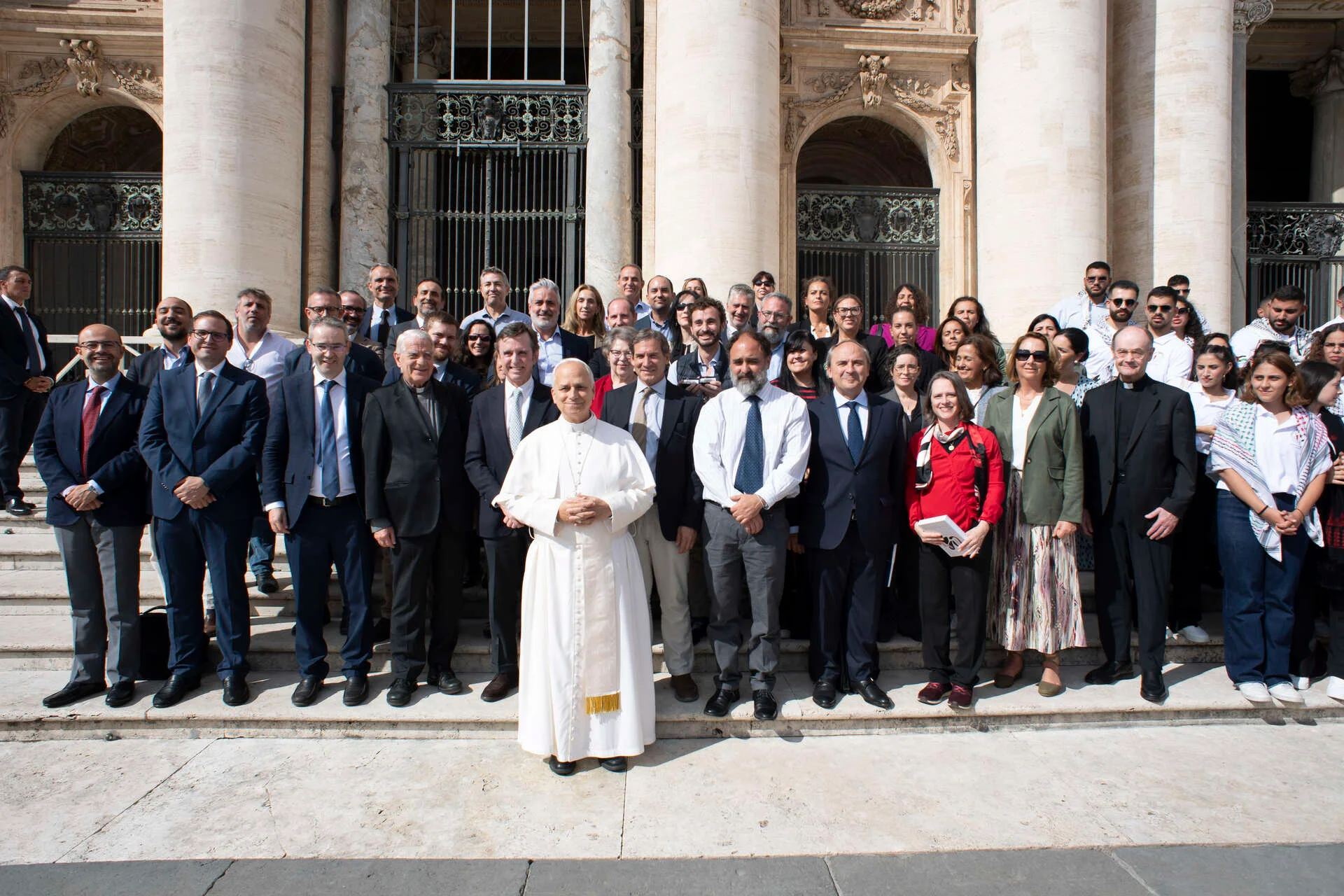
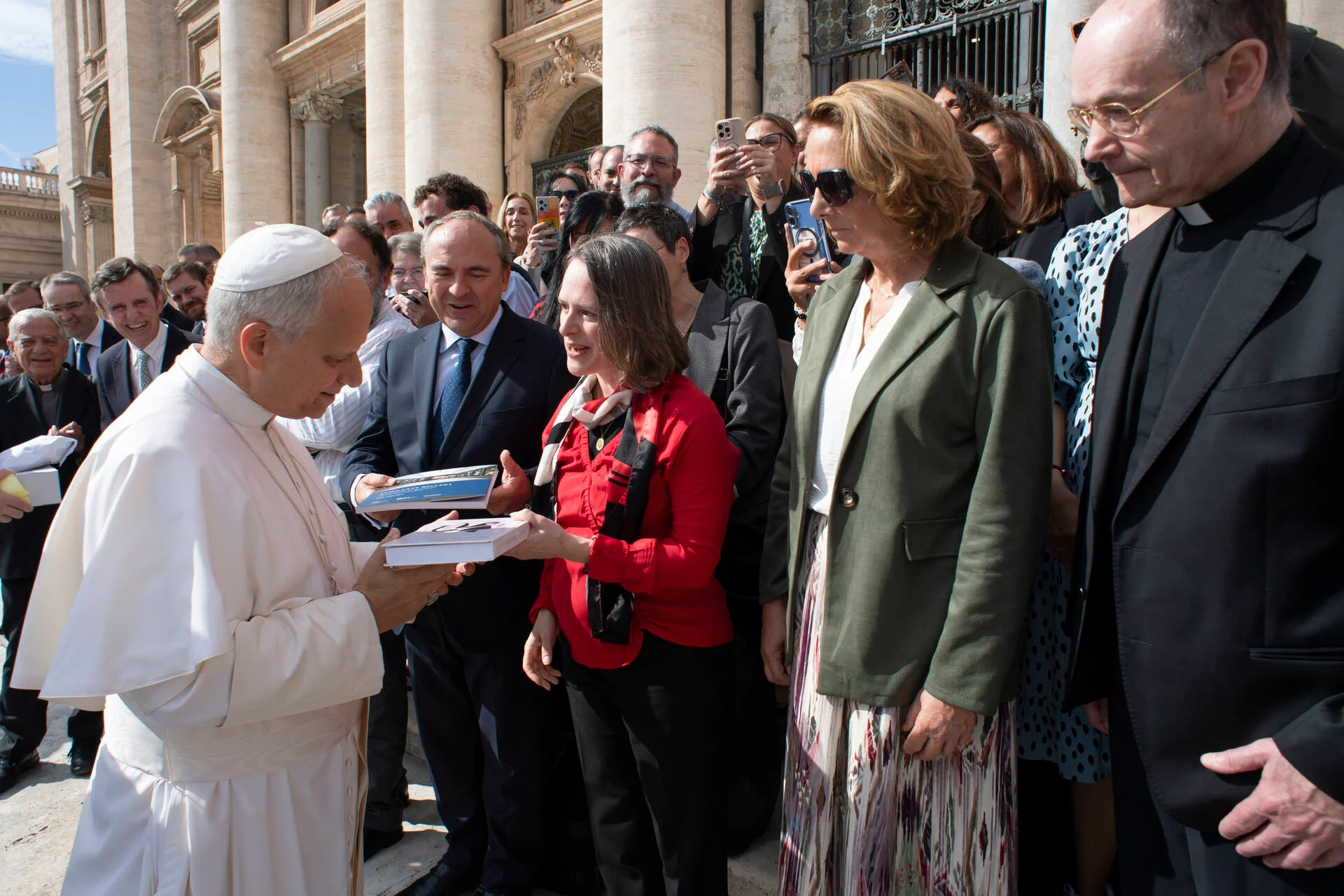
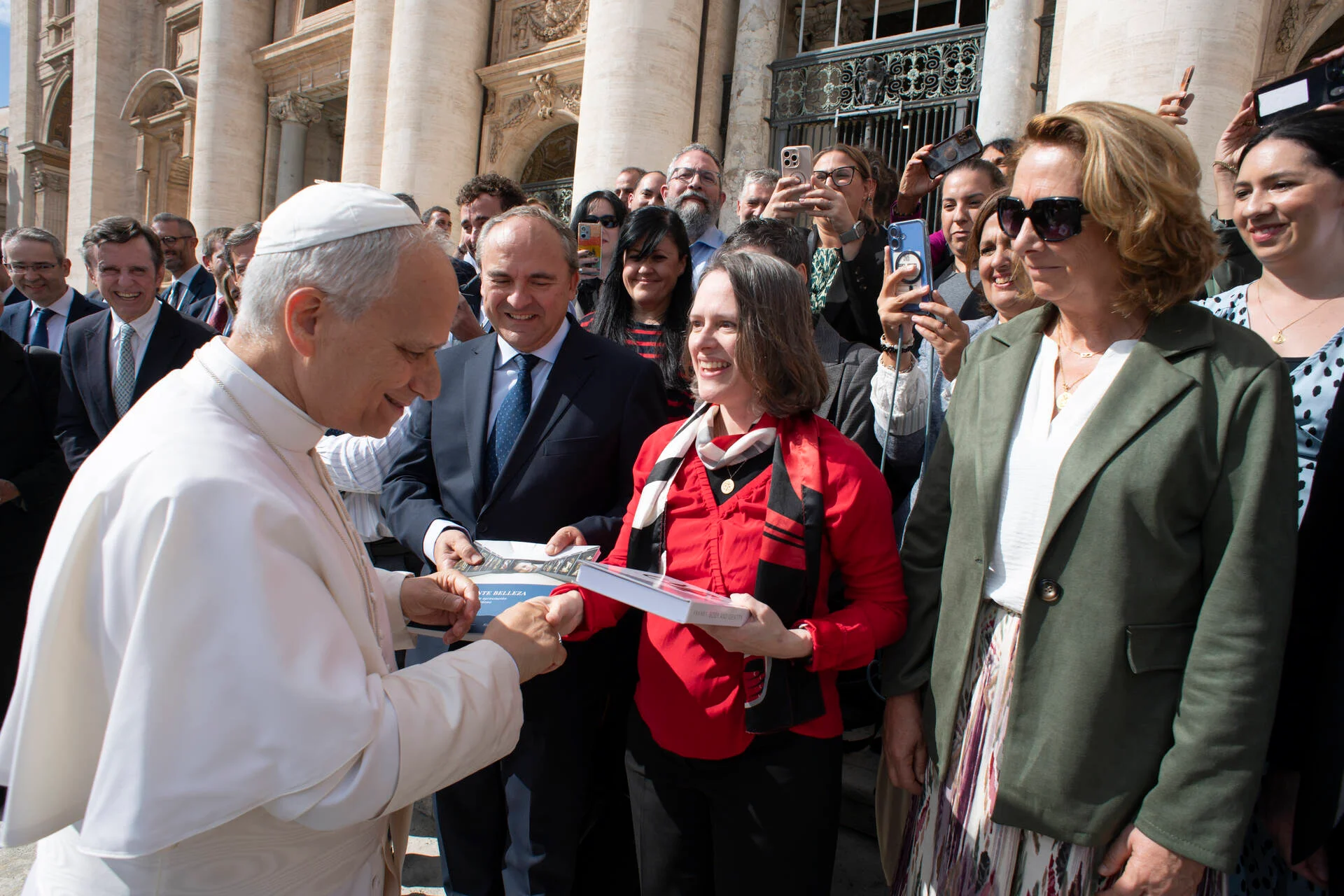
RULES FOR THE 7TH EDITION (2023-2025) OF THE EXPANDED REASON AWARDS
The Universidad Francisco de Vitoria, in collaboration with the Joseph Ratzinger-Benedict XVI Vatican Foundation, announces the seventh edition of the Expanded Reason Awards, which aims to acknowledge and promote university work that serves the truth and aspires to the promotion of humanity and society.
The recipients of the awards are university professors and researchers from any field of knowledge who have achieved results in the field of research or teaching with scientific work or academic programs approached from a perspective of expanded reason.
I. PRESENTATION
Following Benedict XVI, we understand expanded reason to be that way of conceiving and using reason which seeks to understand reality in all its breadth, through dialogue between science, philosophy and theology.
This perspective highlights the contributions made by the different sciences, with their own methods of knowledge, to knowledge as a whole. At the same time, it seeks to transcend the limits of each particular scientific field with a broader understanding: one that raises questions about truth, the individual, goodness and meaning.
Broadening reason means opening it up to these four existential questions posed by philosophy and theology, based on a deep appreciation for the sciences. It is a question of bringing the different disciplines into dialogue with each other, “fully respecting their own methods and mutual autonomy, but also being aware of their intrinsic unity”. [1].
[1] Benedict XVI, Speech to participants in the 4th Italian National Ecclesial Assembly, 19 October 2006.
EXPANDED REASON INSTITUTE
UNIVERSIDAD FRANCISCO DE VITORIA
Opening hours: Monday to Friday from 9:00 a.m. to 6:00 p.m
CONTACT THE EXPANDED REASON INSTITUTE
Fill in the form and we will contact you as soon as possible
In the face of reductionism of any kind (empiricism, utilitarianism, fideism, etc.), this perspective advocates opening reason to all aspects of reality, to all forms of knowledge, and to all dimensions of the individual, which also requires making room for the possibility of “an encounter between faith and reason, between genuine enlightenment and religion”. [2]. It therefore requires the involvement of the whole individual: reason and faith, science and conscience, intelligence and heart.
And in the face of fragmentation of knowledge and hyper-specialization, it urges us to seek a harmonious synthesis of knowledge. “We want to overcome the compartmentalization and positivism that have prevailed in university classrooms in recent decades in order to take a fresh look and propose a vision of our disciplines from the perspective of humanity as a whole, transcending the limits of each science in an endless search for meaning and fulfillment”. [3].
[2] Ibid., Speech at the University of Regensburg: Faith, reason and the university. Memories and reflections, 12 September 2006.
[3] María Lacalle Noriega, In search of the unity of knowledge. A proposal to rethink university disciplines] , 2nd edition, revised, expanded and bilingual, Madrid: Editorial UFV, 2018, p. 9.
The Expanded Reason Awards and the Joseph Ratzinger-Benedict XVI Vatican Foundation
The Joseph Ratzinger-Benedict XVI Vatican Foundation aims to promote the study of Theology and the dialogue between Theology and culture in today’s society. To this end, it offers a scholarship program for doctoral studies in theology and organizes conferences of high cultural and scientific value in collaboration with various universities around the world. Among the awards it grants, the Ratzinger Prize stands out, which acknowledges the work of those men and women – Catholic or otherwise – who, through their studies, have devoted their lives entirely to the Gospel, rendering it comprehensible to their peers.
Together with the Universidad Francisco de Vitoria, it promotes and collaborates with the Expanded Reason Awards, which recognize the efforts of professors and researchers to broaden the horizons of rationality through the dialogue between science and other disciplines with philosophy and theology.
II. AIM
To embody this vision in university work, the Expanded Reason Awards acknowledge projects that bring a particular science into dialogue with philosophy and/or theology on any subject. The aim is to reach the limits of each particular science and raise the fundamental questions that science itself cannot answer:
The question of the individual or anthropological question
This question can be expressed as follows: What idea of the individual underlies my discipline? Is it individualistic or solidary? Is it purely historical or open to transcendence? Is it genetically predetermined or capable of freedom? What kind of individual is shaped by this knowledge? And what kind of society?
The question of truth or epistemological question
This issue is expressed in the following fundamental questions: Is what I teach and what I research true? What is the purpose and limit of my science and my method? What are the questions that take me to the edge of my science and that I cannot answer from it?
The question of good or ethical question
Questions about individuals and truth lead to the question of how one should act, both in the context of scientific work and its technological applications, and in the direction of one’s own life. The ethical question always points to the aims of each science and its consequences.
The question of meaning
At the heart of every professor and student beats a need for meaning, both in their university work and in the ultimate questions. Is what I am learning, teaching or researching worthwhile? How does it relate to the life that matters to me? Why and for what purpose do I do everything I do?
Those that address crucial issues of our time from an open-minded perspective will be particularly valued.
The awards include two categories:
Research Category
This category includes articles and books, unpublished or published, that address a particular issue scientifically from an open-minded approach. Submitted works must not be more than five years old.
Teaching Category
This category includes university academic programs (syllabuses, teaching guides, programs, methodological proposals, etc.) and initiatives that promote comprehensive training in a particular scientific field and explain in detail how expanded reason questions are integrated.
Participants and fields of knowledge
University professors and researchers of any nationality may apply for these awards, either individually or as a working group (in this case, the name of the coordinator or lead researcher shall be specified).
Academic institutions and research institutes may also participate. When registering, it must be specified that the applicant is the institution itself, regardless of whether it is doing so through its researchers.
If the prize is awarded to a working group, it shall be distributed proportionally among the team members. If it is an entity, it shall be paid directly to it.
The awards are open to any field of knowledge: arts and humanities, experimental sciences, health sciences, social and legal sciences, engineering, and architecture.
III. PRIZE
Four prizes of €25,000 each will be awarded, to be distributed between the two categories [4].
The winners undertake to participate in the awards ceremony and in a preliminary seminar with UFV professors, where they will explain the main conclusions of their work. Both events will be held on consecutive days. Travel and accommodation expenses will be borne by the Institute.
They will also be offered the opportunity to join a network of collaborators at the Expanded Reason Institute and participate in its activities.
If the award is given to a collaborative work, the coordinator or lead researcher will represent the group.
If the panel deems it appropriate, it may award special mentions to certain works, whose authors will be invited to participate in the seminar and the awards ceremony, with travel and accommodation expenses covered.
[4] The amount of the prizes is subject to withholding tax in accordance with tax regulations.
IV. SUBMISSION OF WORKS
The works will be submitted using the form provided on the website razonabierta.org.
The following documents must be submitted in English or Spanish:
- Summary of the work. Maximum 500 words.
- Supporting document. This document is intended as a reading guide for the work submitted, and should clearly reflect why the work is considered to be of open reasoning and how it takes into consideration anthropological, epistemological, ethical and meaning questions. The panel will give special consideration to this document when assessing the relevance of the work to the purpose of this call. The text, between 3,000 and 8,000 words in length, must be submitted in accordance with the style guidelines of the Editorial UFV.
- Curriculum vitae of the author(s), in free format.
- Work submitted for the award. Works may be submitted in Spanish, English, Italian, and French. The format is unrestricted. Works published after 2019 are eligible.
V. DEADLINES
Works may be submitted until 4 April 2025.
In July 2025, the panel’s decision will be published on the website.
VI. MERIT CRITERIA CONSIDERED BY THE PANEL
In the Research category, the following aspects will be particularly valued:
- Quality and rigor in the knowledge of the specific science and the methodology of the discipline.
- The topicality and scientific, cultural and social relevance of the subject, as well as its originality.
- The integrative approach.
- The depth of the dialogue established between a particular science and philosophy and/or theology.
- The soundness of the foundations of anthropological, epistemological, ethical and meaning questions.
- The topicality and quality of the bibliography.
- The drafting of the supporting text in accordance with the criteria set out in section IV of this call.
In the Teaching category, the following aspects will be particularly valued:
- Quality, timeliness and rigor in the knowledge of the specific science.
- The integrative approach.
- The soundness of the foundations of anthropological, epistemological, ethical and meaning questions.
- The topicality and quality of the bibliography.
- The clarity of the fundamental approach and its pedagogical suitability.
- The originality of the proposed learning methodologies.
- The evidence of the impact on the comprehensive education of students. To this end, works must include some type of measurement of the results obtained.
VII. AUTHORSHIP, ORIGINALITY AND DISCLOSURE OF WORKS
Participation in this call implies full acceptance of the rules and agreement with the panel’s decisions, which shall be final.
Participants guarantee that they are the authors of the works submitted and that they have all the necessary permissions to submit them to this award.
Expanded Reason Digital Repository (DEDIRA)
The participant agrees that, provided the Scientific Committee approves, the supporting document for their work or a summary thereof will be published in the Expanded Reason Digital Repository. If they wish, they may also consent to the publication of the complete work. All works published in DEDIRA will be protected by the Creative Commons Attribution-NonCommercial-NoDerivatives 4.0 International Licence (CC BY-NC-ND 4.0).
VIII. PANEL OF JUDGES
The panel of judges will be composed of professors or researchers of recognized international standing, who will be appointed by the Universidad Francisco de Vitoria with the agreement of the Joseph Ratzinger-Benedict XVI Foundation. The president of the Joseph Ratzinger-Benedict XVI Vatican Foundation and the vice-chancellor of the Universidad Francisco de Vitoria will act as co-presidents.
The panel shall decide by a majority of the votes cast.
The awards may be declared void if, in the opinion of the panel, the quality of the proposals received does not meet the required standard.
All contestants expressly waive the right to challenge the award decision.
These rules may be modified at any time without prior notice.
IX. PERSONAL DATA PROTECTION
X. TAKE PART IN THE EXPANDED REASON AWARDS
In order to take part in the 7th Edition of the Expanded Reason Awards, you must read the information regarding personal data protection and send all the documentation through the following link.
I WOULD LIKE TO RECEIVE MORE INFORMATION
Sign up for our newsletter and find out all the latest news from the Expanded Reason Institute.
PREVIOUS EDITIONS
Winners of the sixth edition of the Expanded Reason Awards
Research category
Towards a Politics of Communion Catholic Social Teaching in Dark Times
Anna Rowlands
See biography
Anna Rowlands is a renowned professor at Durham University, where she has held the distinguished Santa Hilda Chair in Catholic Social Thought since 2021. Her outstanding career includes a second formal position at the Vatican University, in the Office of the Synod and the Dicastery for Integral Human Development. In addition, Anna is the Chair of Women at the Well, a charity that provides support to women affected by prostitution. Her social commitment is also reflected in her involvement as an advisor at the Center for Theology and Community in London. Anna was a panelist at the launch of the Papal Encyclical Fratelli Tutti and is a member of the Research Management Committee of the William Leech Foundation.
About Towards a politics of communion catholic social teaching in dark times.
This book represents a decade of research on the magisterial tradition of Catholic Social Teaching. The book aims to be a carefully researched and coherently presented account of the evolution of the papal tradition of social teaching, in its interaction both with the changing social, political, economic, cultural and ecological landscape of the last 150 years, and with the relevant secular theoretical and philosophical-political changes of this same period. The book begins with an exploration of the anthropological and epistemological assertions of the papal social tradition, whose argument is the underestimated “foundations” of the encyclical tradition. The following chapters explore the main principles of the tradition, examining its historical evolution and main influences, and addressing the question of its suitability for guiding a broader interdisciplinary and practical socio-political engagement today. The book establishes a dialogue between the main papal social encyclicals and other influential “secular” Catholic philosophical thinkers of the last seventy years, including Joseph Pieper, Simone Weil and Charles Taylor. In its concluding chapters, the book tries to make new connections in the area of integral ecology, relating and expanding on what tradition has to say about work, the earth, and bodies. This seems to be fertile ground for further developments in the tradition. The novelty of this book lies in its attempt to offer a rigorous academic view of the historical and metaphysical development of the tradition, and in its attempt to bring tradition into current debates in philosophy, social theory, and moral economics. Drawing inspiration from Pope Benedict’s writings on faith and reason in Caritas in Veritate and his speech at Westminster Hall in 2010, the book aims to stimulate a committed and integrated form of “expanded reason”.
Reframing Providence: New Perspectives from Aquinas on the Divine Action Debate
Simon Maria Kopf
See biography
Simon Maria Kopf is an Austrian scholar and theologian with an outstanding career. Since 2022, he has held the position of Associate Professor of Fundamental Theology at the ITI Catholic University in Austria. He has also been a Visiting Researcher at King’s College London from 2020 to 2023.
Most recently, in 2021-2022, he was Lead Researcher at Humboldt University in Berlin, where he led the project A Virtue-Based Approach to Providence: Bridging the Analytic/Continental Divide in the Central-European Divine Action Debate. Prior to that, he was a Visiting Professor at the International Theological Institute in Austria from 2019 to 2022.
About Reframing Providence: New Perspectives from Aquinas on the Divine Action Debate.
The doctrine of providence, which asserts that God guides his creation, has been widely conceived in terms of action in recent theological scholarship. A telling example is the so-called debate on divine action, which is largely based on two principles: providence is best understood in terms of divine action; and divine action is best modeled on human action. Examining this debate, and particularly the Divine Action Project (1988–2003), which led to the “scientific turn” in the debate, this study argues that theophysical incompatibilism, as a corollary of this “framing” of providence, can be identified as the main reason for the current stagnation of divine action theories, namely, the assumption that just as human free (libertarian) action presupposes causal indeterminism, so too does divine action in the world presuppose causal indeterminism.
Instead of recalibrating the much-debated approaches of non-interventionist objective divine action (NIODA), Simon Maria Kopf advocates a “reformulation” of providence in terms of the virtue of prudence. To this end, this book examines Thomas Aquinas’s “prudential-ordinative” theory and contrasts it with the “actionist” or action-based model of providence. In the process, Kopf discusses, among other topics, the doctrine of divine transcendence, primary and secondary causality, natural necessity and contingency, and teleology as essential features of this “prudential-ordinative” theory. The final part of the book discusses how these two approaches apply to the question of biological evolution, including a review of the controversy between Stephen Jay Gould and Simon Conway Morris over what would happen if the tape of life were re-recorded.
Teaching category
University Leadership School
Juan Serrano Vicente
See biography
Juan Serrano is a professor and researcher at the Universidad Francisco de Vitoria in Madrid, where he also leads the Santander Europe Scholarships program and the School of University Leadership. He teaches several courses, including Social Psychology and Social Responsibility. His research focuses on Imagination and Possible Worlds, and studies on the Augustinian tradition. Juan is a philosopher and theologian trained at the Universidad San Dámaso in Madrid, and obtained his PhD in Humanities and Social Sciences at UFV in 2017.
About University Leadership School
The University Leadership School (ELU), based at the Universidad Francisco de Vitoria, is an educational institution that offers a leadership training program for prominent university students. The program does not focus on the acquisition of technical knowledge or skills, but rather on the development of essential capabilities in those who are called upon to lead fundamental changes to improve the world and contribute to social change.
The ELU leadership training program (PDL) consists of nine different modules and two training weekends per year. This itinerary is complemented by an annual academic trip and other activities. To carry out these activities, we propose participation in committees made up of students, mentors, and professors, where everyone works collaboratively.
The primary objective of the PDL is to form a true understanding of the world and humanity and to acquire a method for judging reality that is fair to both reality and oneself. The program is not “complementary” training in the sense of being optional or dispensable, but is considered essential for the students it is aimed at.
The program also includes a support plan, with individual mentoring and committee work, which is coordinated in a very natural and organic way, with excellent results from the students’ perspective. At the end of their four-year journey, students are prepared to be leaders in the service of society.
University Leadership School
Carola Díaz de Lope-Díaz Molins
See biography
Carola Díaz is the Executive Director of Europe Scholarships and the University Leadership School at the Universidad Francisco de Vitoria. Prior to this, she worked as a senior architect at Architects Edmiston Jones in Australia and founded Bo Lumen Arquitectos. In addition, Carola Díaz has lectured in various programs and degree courses at the Universidad Francisco de Vitoria. She has also participated in seminars and research courses in various areas.
About University Leadership School
The University Leadership School (ELU), based at the Universidad Francisco de Vitoria, is an educational institution that offers a leadership training program for prominent university students. The program does not focus on the acquisition of technical knowledge or skills, but rather on the development of essential capabilities in those who are called upon to lead fundamental changes to improve the world and contribute to social change.
The ELU leadership training program (PDL) consists of nine different modules and two training weekends per year. This itinerary is complemented by an annual academic trip and other activities. To carry out these activities, we propose participation in committees made up of students, mentors, and professors, where everyone works collaboratively.
The primary objective of the PDL is to form a true understanding of the world and humanity and to acquire a method for judging reality that is fair to both reality and oneself. The program is not “complementary” training in the sense of being optional or dispensable, but is considered essential for the students it is aimed at.
The program also includes a support plan, with individual mentoring and committee work, which is coordinated in a very natural and organic way, with excellent results from the students’ perspective. At the end of their four-year journey, students are prepared to be leaders in the service of society.
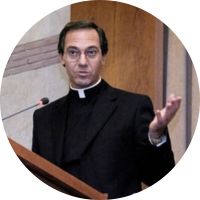
Centro di Documentazione Interdisciplinare di Scienza e Fede
Giuseppe-Tanzella Nitti
See biography
Giuseppe Tanzella-Nitti is a Catholic priest and renowned scholar. He is currently Full Professor of Fundamental Theology at the Universidad Pontificia de la Santa Cruz and Assistant Scholar at the Vatican Observatory. He also leads the DISF Research Center at the Universidad Pontificia de la Santa Cruz and is the Editor-in-Chief of the online Interdisciplinary Encyclopedia of Religion and Science. In addition, he collaborates with the Pontifical Council for Culture and the Pontifical Academy of Sciences.
About Centro di Documentazione Interdisciplinare di Scienza e Fede
The DISF educational website (disf.org) is an online learning platform aimed at secondary school teachers and students. It contains over 1,000 original pages and addresses the relationships between science, history, philosophy and religion. The main objective is to provide a reliable resource to support the teaching of school subjects in these areas.
The website, currently in Italian, was designed considering that students aged 14 to 16 are forming their own conception of the world and life. At this stage, the scientific view of the world can be compatible or contrary to philosophical and religious teachings. Therefore, DISF Educational focuses on advances in natural sciences and technology, which have a growing influence on society and our way of life. The project addresses topics such as the relationship between science and society, ethics and religion, which are already included in Italian secondary school syllabuses. These issues deserve a solid historical and philosophical framework, which is often scarce in school textbooks. The website was created by the DISF Research Center, directed by Giuseppe Tanzella-Nitti and funded in part by the Bishops’ Conference of Italy. In addition to the website, the DISF Research Center has organized courses and conferences for secondary school teachers based on the material published in DISF Educational.
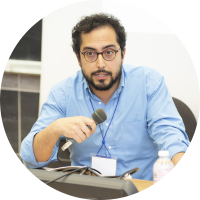
Centro di Documentazione Interdisciplinare di Scienza e Fede
Stefano Oliva
See biography
Stefano Oliva is the head and general coordinator of the DISF Educational project. He is an associate professor of Aesthetics at Niccolò Cusano University and a scientific adviser for the Treccani Institute of the Italian Encyclopedia.
About Centro di Documentazione Interdisciplinare di Scienza e Fede
The DISF educational website (disf.org) is an online learning platform aimed at secondary school teachers and students. It contains over 1,000 original pages and addresses the relationships between science, history, philosophy and religion. The main objective is to provide a reliable resource to support the teaching of school subjects in these areas.
The website, currently in Italian, was designed considering that students aged 14 to 16 are forming their own conception of the world and life. At this stage, the scientific view of the world can be compatible or contrary to philosophical and religious teachings. Therefore, DISF Educational focuses on advances in natural sciences and technology, which have a growing influence on society and our way of life. The project addresses topics such as the relationship between science and society, ethics and religion, which are already included in Italian secondary school syllabuses. These issues deserve a solid historical and philosophical framework, which is often scarce in school textbooks. The website was created by the DISF Research Center, directed by Giuseppe Tanzella-Nitti and funded in part by the Bishops’ Conference of Italy. In addition to the website, the DISF Research Center has organized courses and conferences for secondary school teachers based on the material published in DISF Educational.
Honorable Mention
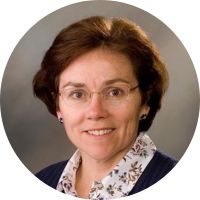
Divine Abundance
Elizabeth Newman
See biography
Elisabeth Newman is currently an associate professor of Theology at the Baptist Studies Center of Union Presbyterian Seminary and at Duke Divinity School. In addition, since 2022, she has been a member of the planning committee for the International Baptist Conference on Theological Education and co-chair of a commission to promote Christian unity. She is also a member of the editorial board of Baptist Quarterly and co-editor of Studies in Baptist History and Thought.
About Divine Abundance
Divine Abundance is an in-depth analysis of the importance of leisure in human life and academic culture, viewed from a theological and philosophical perspective. The author argues that leisure is not simply idleness, but time devoted to reflection and divine worship, which allows us to receive our lives as a gift and enter into communion with God. This concept of leisure is key to a real academic culture. Also, practices like singing and celebrating the Eucharist are highlighted as crucial elements for harmony and leisure. In summary, the text presents an enriching view of leisure as an essential aspect of human life and academic culture, related to divine worship and communion with God.
Panel of judges
Winners of the fifth edition of the Expanded Reason Awards
Research category

Carter Snead
c
See biography
Carter Snead is a professor of Law and the director of the Nicola Center for Ethics and Culture at the University of Notre Dame. He is one of the world’s leading experts in public bioethics, that is, in scientific governance, medicine, and biotechnology in the name of ethical goods. His research explores topics related to neuroethics, human enhancement, research involving human embryos, assisted reproduction, abortion, and end-of-life decision-making. He is the author of What It Means to be Human: The Case for the Body in Public Bioethics (Harvard University Press, October 2020), chosen by the Wall Street Journal as one of the “Ten Best Books of 2020”.
He has served as general advisor to President Bush’s Bioethics Council, chief negotiator for the US government at UNESCO for the Universal Declaration on Bioethics and Human Rights, and permanent observer for the United States on the Steering Committee on Bioethics of the Council of Europe. From 2008 to 2012, he served on UNESCO’s International Bioethics Committee, a body of 36 independent experts that advises Member States on bioethics, law and public policy. The IBC is the world’s only bioethics commission with a global mandate. In 2016, he was appointed a member of the Pontifical Academy for Life, Pope Francis’s main advisory body on bioethics. He is also an elected member of The Hastings Center, the oldest independent bioethics research institute in the world.
About What it means to be human: the case fot the body in public bioethics
What It Means to be Human: The Case for the Body in Public Bioethics (Harvard U. Press 2020) presents two fundamental arguments, a methodological one and a substantive one. First, since the purpose of law is to protect and promote human development, it is always necessarily based on and inspired by a set of assumptions about what human beings are and what determines their prosperity. Consequently, the richest and most explanatory method for understanding law in general, and law and public policy in the field of bioethics (“public bioethics”) in particular, is an inductive “anthropological” analysis aimed at discovering the vision of the individual that underlies the law. Ultimately, the book argues that when this mode of anthropological inquiry is applied to the vital conflicts of public bioethics (law and public policy relating to abortion, assisted reproduction, and end-of-life decision-making and assisted suicide), a vision of the person emerges as atomized, solitary, and defined essentially by their capacity to formulate and pursue future plans of their own invention. This incomplete and therefore fake picture of life as lived by human beings constitutes a very poor basis for bioethical law and policy. What is needed, and what the book offers, is an “anthropological corrective” that takes human incarnation seriously, as well as the associated gifts and challenges that arise from our vulnerability, mutual dependence, and natural limitations. In short, the book argues that, by virtue of our life as embodied and fragile beings in time, we are made for love and friendship. For the law to be truly wise, fair, and humane, it must be based on this truth.

Jeffrey Bishop
See biography
Jeffrey P. Bishop, MD, is Tenet Chair in Bioethics and Professor of Philosophy and Theological Studies at Saint Louis University (SLU). Bishop also served as director of the Albert Gnaegi Center for Health Care Ethics at SLU from 2010 to 2018. In 2021, he won the H. Tristram Engelhardt, MD, PhD award with “provocative voices in bioethics”. He is a life member of the Clare Hall University of Cambridge and an elected member of the International Society for Science and Religion.
He has recently finished a book co-authored with M. Therese Lysaught and Andrew A. Michel, Biopolitics After Neuroscience: Morality and the Economy of Virtue (to be published in 2022 by Bloomsbury Academic). His first book, The Anticipatory Corpse: Medicine, Power, and the Care of the Dying (University of Notre Dame Press, 2011) was described as “the most important book published in 2011” by the editor of the Australian Broadcasting Corporation’s Religion and Ethics page. He is on the editorial board of the Journal of Medicine and Philosophy and Christian Bioethics, and was a member of the editorial board of the Journal of the Society of Christian Ethics (2016–2020). Bishop’s studies explore the historical, political, and philosophical conditions that drive contemporary medical and scientific theories and practices. He is currently working on a book at the intersection of ethics and metaphysics, and on another one on the philosophy of technology. He publishes various articles in medical science, medical humanities, philosophy, and theology journals, as well as articles on pop culture, theology, and philosophy. He is also the founding director of the International Academy for Bioethical Inquiry.
About Biopolitics After Neuroscience: Morality and the Economy of Virtue
“Biopolitics After Neuroscience: Morality and the Economy of Virtue began as a project exploring the neuroscience of virtue. However, what we found surprised us. First, we discovered that the neuroscience of morality was a subtle fusion of two different sciences (neurobiology and positive human science), each with its own approaches, methodologies, models, and theories. Moreover, we discovered that at the heart of the neuroscience of morality lay a model of human behavior that was thin, fragile, scarce and emaciated: an anthropology derived from the lineage of homo economicus. In other words, the model of moral behavior was, in fact, the same model of economic behavior.
By tracing these patterns of human behavior in the neuroscience of morality from scientific journals to popular neuroscience, this project demonstrates the social and moral imagery that shapes scientific questions. We argue that the search for the neuroscience of morality is part of a long lineage of thought and rationality that stretches back through the neoliberalism of Becker, Friedman, and Knight to the positive social science of John Stuart Mill and the empiricism of Bentham, Ricardo, Malthus, and Townsend, finding its foundation in the skepticism of David Hume and Francis Bacon. Along the way, we make it clear that neoliberal political economy, with its thin moral anthropology, comes from Hume rather than Adam Smith, and shapes the claims of neuroscience in a way that aligns with the biopolitics of moral behavior. We conclude by asking what it will take to liberate not only neuroscience, but contemporary science as a whole, from the economization and the political-philosophical constraints of the neoliberal era, in order to reorient it towards a more human science”.

Therese Lysaught
See biography
Therese Lysaught, PhD, is a professor of Moral Theology and Healthcare at the Neiswanger Institute for Bioethics and Healthcare Leadership of Loyola University Chicago’s Stritch School of Medicine. Her academic work brings together the fields of theology, medicine, bioethics, and global health. In addition to the book Biopolitics After Neuroscience: Morality and the Economy of Virtue (Bloomsbury Academic, 2022, co-authored with Jeffrey P. Bishop and Andrew Michel), her other books include Catholic Bioethics and Social Justice: The Praxis of US Healthcare in a Globalized World (Liturgical Press, 2019, co-edited with Michael McCarthy); Caritas in Communion: The Theological Foundations of Catholic Health Care (Catholic Health Association, 2014); On Moral Medicine: Theological Perspectives on Medical Ethics, 3rd edition (Eerdmans, 2012, co-edited with Joseph Kotva); and Gathered for the Journey: Moral Theology in Catholic Perspective (Eerdmans, 2007, co-edited with David Matzko McCarthy). Both Catholic Bioethics and Social Justice and Gathered for the Journey have received awards from the Catholic Press Association.
In addition to writing more than 100 articles/essays and presenting more than 100 lectures at conferences and guest talks, she has been a visiting professor at the Catholic Health Association; the Governing Board of the Society of Christian Ethics; the Recombinant DNA Advisory Committee (RAC) of the National Institutes of Health; the advisory board of the American Association for the Advancement of Science’s Dialogue on Science, Religion, and Ethics Program; and a member of the U.S. Catholic-Episcopal Theological Consultation under the auspices of the USCCB. She is a founding member and incoming editor of the Journal of Moral Theology and a corresponding member of the Pontifical Academy for Life.
About Biopolitics After Neuroscience: Morality and the Economy of Virtue
“Biopolitics After Neuroscience: Morality and the Economy of Virtue began as a project exploring the neuroscience of virtue. However, what we found surprised us. First, we discovered that the neuroscience of morality was a subtle fusion of two different sciences (neurobiology and positive human science), each with its own approaches, methodologies, models, and theories. Moreover, we discovered that at the heart of the neuroscience of morality lay a model of human behavior that was thin, fragile, scarce and emaciated: an anthropology derived from the lineage of homo economicus. In other words, the model of moral behavior was, in fact, the same model of economic behavior.
By tracing these patterns of human behavior in the neuroscience of morality from scientific journals to popular neuroscience, this project demonstrates the social and moral imagery that shapes scientific questions. We argue that the search for the neuroscience of morality is part of a long lineage of thought and rationality that stretches back through the neoliberalism of Becker, Friedman, and Knight to the positive social science of John Stuart Mill and the empiricism of Bentham, Ricardo, Malthus, and Townsend, finding its foundation in the skepticism of David Hume and Francis Bacon. Along the way, we make it clear that neoliberal political economy, with its thin moral anthropology, comes from Hume rather than Adam Smith, and shapes the claims of neuroscience in a way that aligns with the biopolitics of moral behavior. We conclude by asking what it will take to liberate not only neuroscience, but contemporary science as a whole, from the economization and the political-philosophical constraints of the neoliberal era, in order to reorient it towards a more human science”.
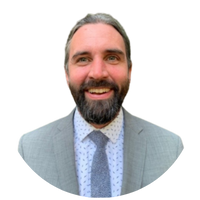
Andrew Michel
See biography
Dr. Andrew Michel is a clinician, educator, and scholar. Michel is currently an assistant professor of psychiatry at the Faculty of Medicine of Vanderbilt University, in the Department of Psychiatry and Behavioral Sciences. Michel’s research has focused on the interface of philosophy (virtue ethics), theology, contemplative spirituality, and clinical psychiatry. His academic initiatives are based on daily clinical interactions with veterans who suffer from a range of negative emotional experiences, including psychiatric conditions related to trauma, addiction, and mood and cognitive disorders. Michel’s practice style has a contemplative grounding, centered on being deeply present in solidarity with individuals who suffer from psychiatric illness, with the aim of healing and flourishing in the context of vulnerability. Dr. Michel was formerly the associate director of training for the Vanderbilt psychiatry residency training program and he also served as chief of psychiatry for the veterans affairs hospital system in central Tennessee. Michel participated in case development and facilitation of case-based learning groups for Vanderbilt University Faculty of Medicine’s innovative case-based learning curriculum, known as Curriculum 2.0 in the year of Foundations of Medical Knowledge. He continues to serve as coordinator and supervisor for Vanderbilt psychiatry residents rotating through the Veterans Hospital. Dr. Michel has recently accepted a position as founding clinician-educator at the new Faculty of Medicine of Belmont University and will begin this adventure in the fall of 2021.
About Biopolitics After Neuroscience: Morality and the Economy of Virtue
“Biopolitics After Neuroscience: Morality and the Economy of Virtue began as a project exploring the neuroscience of virtue. However, what we found surprised us. First, we discovered that the neuroscience of morality was a subtle fusion of two different sciences (neurobiology and positive human science), each with its own approaches, methodologies, models, and theories. Moreover, we discovered that at the heart of the neuroscience of morality lay a model of human behavior that was thin, fragile, scarce and emaciated: an anthropology derived from the lineage of homo economicus. In other words, the model of moral behavior was, in fact, the same model of economic behavior.
By tracing these patterns of human behavior in the neuroscience of morality from scientific journals to popular neuroscience, this project demonstrates the social and moral imagery that shapes scientific questions. We argue that the search for the neuroscience of morality is part of a long lineage of thought and rationality that stretches back through the neoliberalism of Becker, Friedman, and Knight to the positive social science of John Stuart Mill and the empiricism of Bentham, Ricardo, Malthus, and Townsend, finding its foundation in the skepticism of David Hume and Francis Bacon. Along the way, we make it clear that neoliberal political economy, with its thin moral anthropology, comes from Hume rather than Adam Smith, and shapes the claims of neuroscience in a way that aligns with the biopolitics of moral behavior. We conclude by asking what it will take to liberate not only neuroscience, but contemporary science as a whole, from the economization and the political-philosophical constraints of the neoliberal era, in order to reorient it towards a more human science”.
Michael D.Taylor
See biography
Michael Dominic Taylor, PhD, is a founding member of the Laudato Si’ International Institute in Granada and a former associate professor at the Edith Stein Institute of Philosophy (Archdiocese of Granada, Spain). He is starting a new position as a visiting professor at Thomas More College of Liberal Arts in Merrimack, NH. Taylor holds degrees in Philosophy, Bioethics, Biology, and Environmental Studies. His interests have always focused on illuminating the beauty and wonder of Creation, as expressed through ecology, anthropology, ethics, and metaphysics, specifically participatory “metaphysics of gift”.
He writes on bioethics, environmental ethics, transhumanism, solidarity, economics, integral ecology, theology of the body, Dante and Thomistic metaphysics. He is the author of The Foundations of Nature: Metaphysics of Gift for an Integral Ecological Ethic (Cascade, 2020), a work that expands on the foundations laid in his first publication, Towards an Integral Ecological Ethic: The Renewal of Metaphysics in the Thought of Stratford Caldecott (2017).
About The Foundations of Nature: Metaphysics of Integral Ecological Ethic
In this book, Taylor proposes a new ontological foundation for the fields of ecological ethics and bioethics, presented as two sides of the same coin. The metaphysics of gift, founded on the fundamental recognition of the gift of existence, represents the broadest possible and most adequate paradigm for appreciating the depths of reality. This proposal confronts the fact that virtually all modern and postmodern thinking has lost the ability to hold together both our intrinsic relationality with all other created beings and the radiant unity of truth, goodness, and beauty in creation.
Both the technocratic paradigm, which views all of nature in a mechanistic way, with indifference toward the good, and its antagonists —the eco-philosophies that attempt to emphasize the relationality and intrinsic value of non-human creatures— are bearers of partial truths that must be recognized but are insufficient for a truly integral ecology. At the same time, a metaphysics of gift can reorient and restore bioethical principles and procedures, often subverted by their own unacknowledged ontology, towards a trajectory that brings new luster to the meaning of freedom, autonomy, and consensus that builds and sustains solidarity. This more radical alternative is rooted in the classical tradition and yet is fresh and vibrant, grounded in the metaphysical synthesis of Aquinas and its further developments by Ferdinand Ulrich, Erich Przywara, Hans Urs von Balthasar, and David L. Schindler, among others. Based on the gift of shared existence, a metaphysics of gift offers a deeper and more fulfilling view of all things, one that can restore hope in our common future, transform our relationships with the most vulnerable of our human brothers and sisters, as well as with the rest of creation, and speak to all aspects of human existence.
Teaching category

John Slattery
See biography
John P. Slattery is a senior associate of the Dialogue on Science, Ethics, and Religion Program (DoSER) of the American Association for the Advancement of Science (AAAS) and co-directs the Science for Seminaries project. He holds a university degree in computer science from Georgetown University, a master’s degree in religious studies from St. Paul School of Theology, and an interdisciplinary PhD in the history and philosophy of science and systematic theology from the University of Notre Dame. Slattery’s research focuses on the interactions between Christianity and science, both historically and in modern times. He is particularly interested in the intersections of liberation theology with current conversations about science, technology, and theology. He has published two recent books: Faith and Science at Notre Dame: John Zahm, Evolution, and the Catholic Church (2019) and Christian Theology and the Modern Sciences (2020). His work can also be found in academic journals and online. Dr. Slattery has been featured in Commonweal Magazine, Religion Dispatches, and Daily Theology, and he is also a member of the Grefenstette Center for Ethics in Science, Technology, and Law at Duquesne University.
Sciences for Seminaries program
Since its inception in 2014, the Science for Seminaries project of the Dialogue on Science, Ethics, and Religion program (DoSER) of the American Association for the Advancement of Science (AAAS) has brought cutting-edge science and scientists to postgraduate courses at seminaries in the United States and Canada. The Science for Seminaries project offers grants to seminaries to incorporate modern and accurate scientific studies and findings into at least two core seminary courses. By bringing cutting-edge scientific engagement to theological education, Science for Seminaries prepares religious leaders to engage with cutting-edge science through their journeys of faith and community leadership. Since the project’s inception in 2014, Science for Seminaries has awarded grants to 42 seminaries.
Science for Seminaries has so far contributed to the integration of science into more than 200 courses and 150 science-themed university events, reaching more than 175 professors and 5,000 seminary students through the courses, and thousands more through the university events. Beyond individual courses, grants, and events, the project has created, nurtured, and supported a network of individuals focused on the issues addressed in this award. The DoSER program staff, supported by the broader AAAS organization —the world’s largest general scientific society— has carefully recruited and collaborated with professors, scientists, and administrators who continue to address the fundamental questions of meaning in their seminary studies. Specifically, the Science for Seminaries project has brought together individuals who want to ensure the best pedagogical and training practices by exposing future pastors to key scientific discoveries that will drive future philosophical debates around knowledge, humanity, and ethics. Science, at its best, is a collaborative effort to discover the truth by individuals of all cultures, languages, and backgrounds. The Science for Seminaries project helps seminary faculty, students, and administrators access the best and most accurate science not only through courses and events, but also through collaboration with like-minded colleagues and local scientists, as well as a new series of resources created by the project leaders.

Curtis L. Baxter
See biography
Curtis L. Baxter III is a Senior Associate with the AAAS DoSER Program and co-directs the Science for Seminaries project. After completing a university degree in Religious Studies and studying biochemistry, Curtis was granted his master’s degree in Theological Studies from Wesley Theological Seminary. During his time at the seminary, he focused on ethics and historical and public theology. Curtis is passionate about everything at the intersection of faith and society. He had previously worked with several organizations that facilitate constructive conversations on important issues between people of faith and their communities.
Sciences for Seminaries program
Since its inception in 2014, the Science for Seminaries project of the Dialogue on Science, Ethics, and Religion program (DoSER) of the American Association for the Advancement of Science (AAAS) has brought cutting-edge science and scientists to postgraduate courses at seminaries in the United States and Canada. The Science for Seminaries project offers grants to seminaries to incorporate modern and accurate scientific studies and findings into at least two core seminary courses. By bringing cutting-edge scientific engagement to theological education, Science for Seminaries prepares religious leaders to engage with cutting-edge science through their journeys of faith and community leadership. Since the project’s inception in 2014, Science for Seminaries has awarded grants to 42 seminaries.
Science for Seminaries has so far contributed to the integration of science into more than 200 courses and 150 science-themed university events, reaching more than 175 professors and 5,000 seminary students through the courses, and thousands more through the university events. Beyond individual courses, grants, and events, the project has created, nurtured, and supported a network of individuals focused on the issues addressed in this award. The DoSER program staff, supported by the broader AAAS organization —the world’s largest general scientific society— has carefully recruited and collaborated with professors, scientists, and administrators who continue to address the fundamental questions of meaning in their seminary studies. Specifically, the Science for Seminaries project has brought together individuals who want to ensure the best pedagogical and training practices by exposing future pastors to key scientific discoveries that will drive future philosophical debates around knowledge, humanity, and ethics. Science, at its best, is a collaborative effort to discover the truth by individuals of all cultures, languages, and backgrounds. The Science for Seminaries project helps seminary faculty, students, and administrators access the best and most accurate science not only through courses and events, but also through collaboration with like-minded colleagues and local scientists, as well as a new series of resources created by the project leaders.

Katharine Hinman
See biography
Katharine Hinman is the associate director of the AAAS DoSER program. A native of Decatur, Georgia, she received her university degree in biology from Carleton College, her PhD in ecology and evolution from the State University of New York at Stony Brook, and her PhD in theology from Emory University’s Candler School of Theology. Her thesis research focused on bat pollination of agave plants in southeastern Arizona. She also served as the executive director of Georgia Interfaith Power & Light, a nonprofit organization that works with religious communities on environmental issues. Before joining DoSER, Dr. Hinman was pastor of the First United Methodist Church in College Park, Georgia.
Sciences for Seminaries program
Since its inception in 2014, the Science for Seminaries project of the Dialogue on Science, Ethics, and Religion program (DoSER) of the American Association for the Advancement of Science (AAAS) has brought cutting-edge science and scientists to postgraduate courses at seminaries in the United States and Canada. The Science for Seminaries project offers grants to seminaries to incorporate modern and accurate scientific studies and findings into at least two core seminary courses. By bringing cutting-edge scientific engagement to theological education, Science for Seminaries prepares religious leaders to engage with cutting-edge science through their journeys of faith and community leadership. Since the project’s inception in 2014, Science for Seminaries has awarded grants to 42 seminaries.
Science for Seminaries has so far contributed to the integration of science into more than 200 courses and 150 science-themed university events, reaching more than 175 professors and 5,000 seminary students through the courses, and thousands more through the university events. Beyond individual courses, grants, and events, the project has created, nurtured, and supported a network of individuals focused on the issues addressed in this award. The DoSER program staff, supported by the broader AAAS organization —the world’s largest general scientific society— has carefully recruited and collaborated with professors, scientists, and administrators who continue to address the fundamental questions of meaning in their seminary studies. Specifically, the Science for Seminaries project has brought together individuals who want to ensure the best pedagogical and training practices by exposing future pastors to key scientific discoveries that will drive future philosophical debates around knowledge, humanity, and ethics. Science, at its best, is a collaborative effort to discover the truth by individuals of all cultures, languages, and backgrounds. The Science for Seminaries project helps seminary faculty, students, and administrators access the best and most accurate science not only through courses and events, but also through collaboration with like-minded colleagues and local scientists, as well as a new series of resources created by the project leaders.

Jennifer J. Wiseman
See biography
Jennifer J. Wiseman is the director of AAAS DoSER. She is also an astrophysicist who studies the formation of stars and planetary systems using radio, optical, and infrared telescopes. Dr. Wiseman studied physics at MIT and discovered the comet Wiseman-Skiff in 1987. After receiving her PhD in Astronomy from Harvard University in 1995, she continued her research as a Jansky Fellow at the National Radio Astronomy Observatory and as a Hubble Fellow at Johns Hopkins University. Dr. Wiseman is also interested in national science policy and has been a fellow of the American Physical Society in Congress. She has worked with several major observatories and is currently a senior astrophysicist at the Goddard Space Flight Center. She is also a lecturer and author, and enjoys presenting talks on the inspiration of astronomy and scientific discoveries at schools, youth and church groups, and civic organizations. She is a member of the American Scientific Affiliation and a former advisor to the American Astronomical Society.
Sciences for Seminaries program
Since its inception in 2014, the Science for Seminaries project of the Dialogue on Science, Ethics, and Religion program (DoSER) of the American Association for the Advancement of Science (AAAS) has brought cutting-edge science and scientists to postgraduate courses at seminaries in the United States and Canada. The Science for Seminaries project offers grants to seminaries to incorporate modern and accurate scientific studies and findings into at least two core seminary courses. By bringing cutting-edge scientific engagement to theological education, Science for Seminaries prepares religious leaders to engage with cutting-edge science through their journeys of faith and community leadership. Since the project’s inception in 2014, Science for Seminaries has awarded grants to 42 seminaries.
Science for Seminaries has so far contributed to the integration of science into more than 200 courses and 150 science-themed university events, reaching more than 175 professors and 5,000 seminary students through the courses, and thousands more through the university events. Beyond individual courses, grants, and events, the project has created, nurtured, and supported a network of individuals focused on the issues addressed in this award. The DoSER program staff, supported by the broader AAAS organization —the world’s largest general scientific society— has carefully recruited and collaborated with professors, scientists, and administrators who continue to address the fundamental questions of meaning in their seminary studies. Specifically, the Science for Seminaries project has brought together individuals who want to ensure the best pedagogical and training practices by exposing future pastors to key scientific discoveries that will drive future philosophical debates around knowledge, humanity, and ethics. Science, at its best, is a collaborative effort to discover the truth by individuals of all cultures, languages, and backgrounds. The Science for Seminaries project helps seminary faculty, students, and administrators access the best and most accurate science not only through courses and events, but also through collaboration with like-minded colleagues and local scientists, as well as a new series of resources created by the project leaders.
Special mentions
Christopher Kaczor
See biography
Dr. Christopher Kaczor is a Professor of Philosophy at Loyola Marymount University in Los Angeles. He graduated from the Honors Program at Boston College and received his PhD four years later from the University of Notre Dame. A Fulbright Fellow, Dr. Kaczor completed postdoctoral work as a German Foreign Office Alexander von Humboldt Fellow at the University of Cologne. He was appointed a corresponding member of the Pontifical Academy for Life in Vatican City, a member of the Word on Fire Institute, and a visiting professor at the William E. Simon James Madison Program at Princeton University.
A Templeton Fellowship recipient, he has written more than 100 scholarly articles and book chapters. An award-winning author, Kaczor’s sixteen books include Jordan Peterson, God, and Christianity: The Search for a Meaningful Life, Disputes in Bioethics, Thomas Aquinas on the Cardinal Virtues, Abortion Rights: For and Against, 365 Days to Deeper Faith, The Gospel of Happiness, The Seven Big Myths about Marriage, A Defense of Dignity, The Seven Big Myths about the Catholic Church, The Ethics of Abortion, O Rare Ralph McInerny: Stories and Reflections on a Legendary Notre Dame Professor, Life Issues-Medical Choices; Thomas Aquinas on Faith, Hope, and Love; The Edge of Life, and Proportionalism and the Natural Law Tradition.
Dr. Kaczor’s reflections have appeared in The New York Times, The Washington Post, The Wall Street Journal, The Los Angeles Times, Huffington Post, National Review, NPR, BBC, EWTN, ABC, NBC, FOX, CBS, MSNBC, TEDx, and The Today Show.
About The gospel of happiness: how secular psychology points to the wisdom of christian practice
Just as Aristotelian metaphysics provided a new basis for the natural theology of Thomas Aquinas’s time, so positive psychology provides a basis for a natural moral theology in our time. This book gathers the empirically verifiable findings of positive psychology that demonstrate the wisdom of the Christian tradition. Christian warnings about the dangers of greed, coveting the possessions of others (social comparison), and pride are empirically verified.
Likewise, positive psychology vindicates the wisdom of Christian teachings on the importance of forgiveness, gratitude, humility, and service to others. Furthermore, positive psychology can also be of service to Christian believers, helping them in their struggles with willpower, providing them with new motivations for prayer, and helping them identify their characteristic strengths. Finally, this book argues, in various ways, that it is foolish to think that even the best of psychology can serve as a substitute for Christianity.
Panel of judges
Winners of the fourth edition of the Expanded Reason Awards
Research category
Paul Vitz
See biography
Paul C. Vitz is a Senior Scholar and professor at Divine Mercy University’s Institute for Psychological Sciences; professor emeritus of psychology at New York University. He holds a Ph.D. from Stanford University.
Dr. Vitz’s work focuses on the integration of Christian theology, especially Catholic anthropology, with psychology and breaks with secularism and postmodern relativism. This is expressed in his work on the recently published Catholic Christian Meta Model of the Person. He also addresses hatred and forgiveness; the importance of parents; the psychology of atheism; and the complementarity of men and women. He has published seven books and many articles, videos, Op-Eds, etc.
About A Catholic Christian Meta-Model of the Person: Integration of Psychology and Mental Health Practice
The Catholic Christian Meta-Model of the Person integrates the ideas of three wisdom traditions —psychological sciences, philosophy, and theology— to provide a framework for understanding the person. The Meta-Model develops a more systematic, integrative, and non-reductionist approach to individuals, marriage, family, and society than any of these three disciplines alone. The Meta-Model is a unifying framework for the integration of existing personality theories and therapeutic models. In addition, it improves assessment, diagnosis, case conceptualization, and treatment planning by addressing eleven essential dimensions of the person necessary in mental health practice focused on healing and flourishing. The book also explores how the Meta-Model framework can enhance client care. Finally, it demonstrates how the Meta-Model helps mental health professionals better understand how they can be true to their Christian identity in serving all clients, Christians, people of other faiths, and non-believers.
William Nordling
See biography
Dr. William J. Nordling is a professor and clinical supervisor at the Institute of Psychological Sciences (School of Psychology) at Divine Mercy University. He is one of the founding members of the IPS (DMU) faculty and served as Department Chair and then Academic Dean for eighteen years. He holds a PhD in Clinical Psychology from the University of Maryland, College Park, and is a licensed clinical psychologist. His areas of expertise include child, marriage, and family therapy. He is widely recognized as an expert in the field of play therapy and is co-author of the award-winning textbook Child Centered Play Therapy: A Practical Guide to Developing Therapeutic Relationships with Children. Dr. Nordling currently teaches at several training institutes, including the National Institute of Relationship Enhancement (USA), Play Therapy Australia, and ChildPlayWorks (New Zealand). Dr. Nordling was a founding member of the governing board and served as chair of the Catholic Association for Psychotherapy. He was also a member of the governing board and chair of the national Play Therapy Association.
About A Catholic Christian Meta-Model of the Person: Integration of Psychology and Mental Health Practice
The Catholic Christian Meta-Model of the Person integrates the ideas of three wisdom traditions —psychological sciences, philosophy, and theology— to provide a framework for understanding the person. The Meta-Model develops a more systematic, integrative, and non-reductionist approach to individuals, marriage, family, and society than any of these three disciplines alone. The Meta-Model is a unifying framework for the integration of existing personality theories and therapeutic models. In addition, it improves assessment, diagnosis, case conceptualization, and treatment planning by addressing eleven essential dimensions of the person necessary in mental health practice focused on healing and flourishing. The book also explores how the Meta-Model framework can enhance client care. Finally, it demonstrates how the Meta-Model helps mental health professionals better understand how they can be true to their Christian identity in serving all clients, Christians, people of other faiths, and non-believers.

Craig Titus
See biography
Prof. Dr. Craig Steven Titus is a professor at the Institute of Psychological Sciences (Divine Mercy University [DMU], Sterling, Virginia) and the director of DMU’s Department of Integrated Studies. His research interests focus on: the theory of virtue and the psychology of virtue; emotional and moral development; resilience and virtue; and the integration of psychological sciences, philosophy, and theology. He previously worked at the University of Fribourg (Switzerland) as a researcher, instructor, deputy director of the Institute of Theology and Culture St. Thomas Aquinas, and deputy director of the Servais Pinckaers Archives. His first book, Resilience and the Virtue of Fortitude: Aquinas in Dialogue with the Psychosocial Sciences (Catholic University of America Press [CUA], 2006), establishes a dialogue between the theory of virtue and psychosocial research on resilience and overcoming difficulties. He is the editor of ten books and co-editor of The Pinckaers Reader: Renewing Thomistic Moral Theology (CUA, 2005). He has also published 45 other journal articles and book chapters, for example, in the Journal of Positive Psychology; Journal of Psychology and Christianity; Journal of Moral Theology; The Thomist; Edification: Journal of the Society of Christian Psychology; and Revue d’Ethique et de Théologie Morale. He recently co-edited: A Catholic Christian Meta-Model of the Person: Integrating Psychology and Mental Health Practice (DMU Press, 2020), in which he co-authored 17 chapters. More recently, he published the book chapter entitled “Virtue and Resilience: Aquinas’ Christian Approach to Virtue Applied to Resilience” in Biblical and Theological Perspectives on Resilience: Pastoral and Clinical Perspectives (Routledge, 2020).
About A Catholic Christian Meta-Model of the Person: Integration of Psychology and Mental Health Practice
The Catholic Christian Meta-Model of the Person integrates the ideas of three wisdom traditions —psychological sciences, philosophy, and theology— to provide a framework for understanding the person. The Meta-Model develops a more systematic, integrative, and non-reductionist approach to individuals, marriage, family, and society than any of these three disciplines alone. The Meta-Model is a unifying framework for the integration of existing personality theories and therapeutic models. In addition, it improves assessment, diagnosis, case conceptualization, and treatment planning by addressing eleven essential dimensions of the person necessary in mental health practice focused on healing and flourishing. The book also explores how the Meta-Model framework can enhance client care. Finally, it demonstrates how the Meta-Model helps mental health professionals better understand how they can be true to their Christian identity in serving all clients, Christians, people of other faiths, and non-believers.
Samuel Condic
See biography
Samuel Condic is an associate professor of Philosophy in the School of Arts and Sciences and holds the Cullen Foundation Chair in Business Ethics. He holds a PhD in philosophy and has over 10 years of work experience in the oil and gas industry. In addition to his work in the field of business ethics, he is co-author of the recently published book, Human Embryos, Human Beings: A Scientific & Philosophical Approach, a work that examines human life in its earliest stages.
About Human Embryos, Human Beings
The overall purpose of Human Embryos, Human Beings is to evaluate the human embryo in light of the most recent biological evidence to determine as best as possible when true human existence begins. The answer to this question has profound implications for our understanding of both the nature of human embryos and our ethical obligations towards them. The thesis of the book is that sound philosophical reasoning and available scientific evidence support a view of “immediate hominization” of the embryo; that is, that a human being is present from the moment of fertilization onwards. We examine several long-standing philosophical arguments against immediate hominization that have dominated modern thinking about the embryo and consider several cases in which a natural defect or scientific manipulation make it difficult to determine the ontological status of the embryo.
Human Embryos. Human Beings is based on the premise that philosophical and scientific approaches are not in conflict and that the most complete understanding of the human embryo is achieved through the rigorous integration of sound philosophy with the best available scientific data. To this end, in addition to a detailed analysis of the relevant science, the book also includes a presentation of hylomorphism, the philosophical viewpoint employed by the authors to analyze the issue. Often, one finds either a thorough and well-reasoned philosophical account of nature and human life or a detailed scientific analysis of the process of human development. This book makes a welcome addition to the field by integrating both necessary elements into a single text.

Maureen Condic
See biography
Dr. Maureen L. Condic is an associate professor of Neurobiology at the University of Utah Faculty of Medicine, with an adjunct appointment in the Department of Pediatrics. She received her undergraduate degree from the University of Chicago and her PhD from the University of California at Berkeley. Her research focuses on the role of stem cells in development and regeneration and has been nationally recognized by the Basil O’Connor and McKnight awards. In 2015, she was appointed a member of the Pontifical Academy Pro Vita, an international scientific advisory body to the Vatican. In 2018, she was appointed to the National Science Board by the President of the United States, an entity which oversees the National Science Foundation and advises both the President and Congress on scientific matters. Dr. Condic is involved in medical and postgraduate education and has taught Human Embryology at the University of Utah Faculty of Medicine for 20 years. She is very committed to public education and science literacy, and has presented over 250 seminars and interviews, both nationally and internationally, on her scientific research, science policy, and bioethics. In 2018, Dr. Condic co-authored a book titled Human Embryos, Human Beings, which explores the nature of the human embryo from scientific and philosophical perspectives. Her second book, Untangling Twinning (2020), considers the biological and philosophical questions raised by human monozygotic twinning. In addition to her research and teaching, Dr. Condic was appointed the University of Utah’s first Ombudsman in 2014
and assists all members of the university community (professors, staff, students, and interns) in informal conflict resolution.
About Human Embryos. Human Beings
Dr. Maureen L. Condic is an associate professor of Neurobiology at the University of Utah Faculty of Medicine, with an adjunct appointment in the Department of Pediatrics. She received her undergraduate degree from the University of Chicago and her PhD from the University of California at Berkeley. Her research focuses on the role of stem cells in development and regeneration and has been nationally recognized by the Basil O’Connor and McKnight awards. In 2015, she was appointed a member of the Pontifical Academy Pro Vita, an international scientific advisory body to the Vatican. In 2018, she was appointed to the National Science Board by the President of the United States, an entity which oversees the National Science Foundation and advises both the President and Congress on scientific matters. Dr. Condic is involved in medical and postgraduate education and has taught Human Embryology at the University of Utah Faculty of Medicine for 20 years. She is very committed to public education and science literacy, and has presented over 250 seminars and interviews, both nationally and internationally, on her scientific research, science policy, and bioethics. In 2018, Dr. Condic co-authored a book titled Human Embryos, Human Beings, which explores the nature of the human embryo from scientific and philosophical perspectives. Her second book, Untangling Twinning (2020), considers the biological and philosophical questions raised by human monozygotic twinning. In addition to her research and teaching, Dr. Condic was appointed the University of Utah’s first Ombudsman in 2014
and assists all members of the university community (professors, staff, students, and interns) in informal conflict resolution.
William M. R. Simpson
See biography
William Simpson is a junior research fellow at Wolfson College, Cambridge, and an honorary research fellow at the University of St Andrews. He is a research associate at Cambridge Divinity School and a research associate at the Ian Ramsey Center in Oxford. His current work on the philosophy and theology of nature is part of the international project “God and the Book of Nature”.
William obtained a PhD in Philosophy from the University of Cambridge (2016-20), supported by a full Blacker-Loewe PhD scholarship at Peterhouse, and a PhD in Theoretical Physics from the University of St Andrews (2010-14), supported by a full SUPA Award PhD scholarship. He has published papers in the fields of philosophy, physics, and theology, and is co-editor of the anthology “Neo-Aristotelian Perspectives on Contemporary Science” (with Robert Koons and Nicholas Teh).
About What's The Matter? Toward A Neo-Aristotelian Ontology Of Nature.
William’s PhD thesis at Cambridge, “What’s the matter? Toward a neo-Aristotelian ontology of nature”, sought to advance a general account of the structure of nature, as it should be if the laws of quantum mechanics (or a theory like quantum mechanics) are true. Unlike many such philosophical investigations, his thesis sought to find an account of nature that could explain how scientific research is possible, carried out by rational, embodied agents who rely on macroscopic instruments to conduct their experiments. The main argument of his thesis is:
First, that the “Quantum Revolution” that has taken place within physics requires a radical reimagining of the standard micro-reductionist forms of metaphysics that dominated philosophy in the last century, in which the physical properties of the material parts of a quantum system are now seen to depend irreducibly on the whole of which they are a part.
Secondly, that when we take into serious consideration the various types of empirical content captured by quantum theories —macroscopic observables, phase transitions, chemical and thermodynamic phenomena—, this reimagining is forced to take a form that is familiar to medieval theologians, namely the hylomorphism of Aristotle and Aquinas, in which the world consists of a plurality of substantial sets, composed of both matter and form.
This thesis offers a realistic but non-materialistic conception of quantum theory, in which there are forms in nature in addition to matter. Forms determine the physical properties of matter, endowing the basic objects of scientific research with their causal powers and underpinning the laws of nature.
Teaching category
James A. Arthur
See biography
James Arthur received his PhD from Oriel College, University of Oxford, in 1992. He is currently a professor of education and founding director of the Jubilee Centre for Character at the University of Birmingham (2012-2020). He was previously Director of the School of Education (2010-2015) and Deputy Vice-Chancellor (2015-2019). The Queen personally appointed him an Officer of the British Empire in 2018 for his services to education. He holds numerous academic honors and fellowships, including Visiting Professor at the University of Glasgow, Honorary Research Fellow at the University of Oxford, and Senior Honorary Fellow at the United States Military Academy at West Point. He is President of the British Society for Educational Studies, was editor of the British Journal of Educational Studies for ten years, and has served on numerous government committees and groups on education. He was appointed the first Director of the National Institute for Christian Education Research (2005-2009) by the Archbishop of Canterbury in 2005. He has written extensively on virtues, character and education, and his recent publications include: The Formation of Character in Education: From Aristotle to the 21st Century (2020), Virtues in the Public Sphere: Citizenship, Civic Friendship and Duty, (2019), and Policy Entrepreneurship in Education: Engagement, Influence and Impact (2018). He is currently writing a book on Christian virtues and the formation of character (forthcoming 2021) and is a visiting professor at the Thomistic Institute of the Angelicum University of Rome for the Fall 2020 term.
About Teaching character virtues. A Neo-Aristotelian approach.
The Jubilee Center for Character and Virtues is a pioneering interdisciplinary research center focusing on character, virtues and values for the sake of human flourishing, founded by James Arthur in 2012. The Center promotes a moral concept of character to explore the importance of virtue in public and professional life. The Center is a leading informant on policy and practice in this area and, through its wide range of research projects, contributes to the renewal of character virtues in both individuals and societies. The particular project for which this award has been given is Teaching Character Virtues – A Neo-Aristotelian Approach, which brings together the amalgam of teaching programs initiated by James at the Center, from the internationally renowned and influential Framework for Character Education in Schools to the world’s first distance learning master’s degree in character education, which has also received international acclaim. James has promoted a neo-Aristotelian approach to virtue and the formation of character in the Jubilee Center’s academic programs and, together with the Center’s staff, continues to design award-winning and successful academic programs on the virtues of character.
Winners of the third edition of the Expanded Reason Awards
Research category

Marta Bertolaso
See biography
Marta Bertolaso is a Professor of Philosophy of Science at the Faculty of Engineering and the Institute for the Philosophy of Scientific and Technological Practice at Università Campus Bio-Medico di Roma.
About Philosophy of Cancer
Since the 1970s, Somatic Mutation Theory (SMT) has framed the exploration of cancer’s origins, focusing on genetic mutations and the clonal expansion of somatic cells. While cancer research has expanded in various directions, the cell has remained the dominant focus, even as the classes of genes and types of extra-genetic factors identified as causally relevant to cancer initiation have multiplied. The vast heterogeneity of cancer-related mutations and phenotypes, together with the increasing complexity of models, led researchers to oscillate between a frenetic search for “the few key factors” that cause cancer and disillusionment in the face of seemingly ‘endless complexity’. To navigate this complexity, cancer research began to employ the tools developed by Systems Biology. Simultaneously, anti-reductionist voices argued that cancer research was trapped in a sterile paradigm.
This alternative discourse even gave rise to an alternative theory: the Tissue Organization Field Theory (TOFT). A deeper philosophical analysis reveals the limits and possibilities of reductionist and anti-reductionist positions and their polarization. This book shows that a radical philosophical reflection is needed to break the impasse in cancer research. It offers a reflection on the assumptions of different types of cancer research, on the implications of discoveries made over the last 40 years, on a vision of scientific practice better able to make sense of the cognitive and social conflicts observed in the scientific community (and in its results) and, finally, on the nature of the living entities with which we engage in this fascinating epistemological interplay we call scientific research. The dynamic and relational view of carcinogenesis proposed here serves as a starting point in all these directions.
Robert D. Enright
See biography
Dr. Robert Enright is a professor of Educational Psychology at the University of Wisconsin-Madison, a licensed psychologist, and co-founder of the International Forgiveness Institute, a nonprofit organization devoted to spreading knowledge about forgiveness and community renewal through forgiveness. He is the undisputed pioneer in the scientific study of forgiveness. He has been called “the pioneer of forgiveness” by Time magazine and is often referred to as “the father of forgiveness research” due to his 34-year academic commitment to researching and implementing forgiveness programs.
Dr. Enright is the author or editor of seven books and over 150 publications focusing on social development and the psychology of forgiveness. He pioneered forgiveness therapy and developed an early intervention to promote forgiveness, the 20-step “Forgiveness Process Model”.
His latest efforts include forgiveness education in various communities around the world (e.g., Belfast, Bethlehem, Manila, and Monrovia) so students can start learning about forgiveness, which can help them resist and overcome serious injustices against them now and in adulthood.
About Forgiveness Therapy
The book, Forgiveness Therapy, published by the American Psychological Association in 2015, is based on theology, philosophy, psychology, psychiatry, education, and the social scientific method. To understand forgiveness, one must understand the ancient origins of a God who forgives out of love for humanity. Aristotelian realism proposes a rational essence to humanity, which is extended by Thomas Aquinas to include the essence of charity or love in service to others. The end point of any person, then, is to love, even if this summum bonum is never fully achieved.
The moral virtue of forgiveness centers on love, even towards those who are deeply unfair to the forgiver. Those who forgive first know that they have been treated unfairly by others, make the rational decision to forgive or offer kindness to those who were not kind to them, and then strive to give, as best they can, kindness, respect, generosity, and love to the offender. As Aristotle instructs us, we never achieve perfection in the expression of any virtue, and therefore forgiveness is evolutionary, with greater progress toward its endpoint of love the more this virtue is practiced. As Aristotle instructs us, no moral virtue should be practiced in isolation from other moral virtues. Thus, forgiveness and the pursuit of justice must emerge together.
The field of psychology has contributed to this work by explaining a path, the Forgiveness Process Model, which includes the decision not to harm the other person, understanding the other person as more than just their offenses, and the challenge of seeing unconditional value in the other person, thus generating compassion and empathy for that other person. The field of psychiatry has contributed to this work by demonstrating, through case studies of clients or patients, that this process leads to positive mental health and relational change. The epistemology for deeply understanding and validating the Process Model, including its generalization to different populations, is the scientific method in which randomized experimental and control group clinical trials show that as people go through the forgiveness process, they become healthier in the sense that their anger, anxiety, and depression decrease and their self-esteem and hope for the future increase.
All of these disciplines —theology, philosophy, psychology, psychiatry, and the scientific method— contribute to the development of forgiveness education curricula for children and adolescents. As students read age-appropriate stories about characters in conflict, they learn what forgiveness is, how to forgive, and how to choose for themselves whether and when to forgive those who offend them. The practice of forgiveness can give great meaning to the lives of those who have been hurt by others. Forgiveness, therefore, has a direct impact on individual hearts, families, communities, homeless shelters, prisons, and conflict zones around the world. Would the world be a better place if everyone took seriously the idea that forgiveness deserves a place where people interact with one another? The paradoxical offering of love to those who offend can help people leave a legacy of love that can continue long after the person has left this earth.
Richard P. Fitzgibbons
See biography
Richard Fitzgibbons, M.D., is the director of the Institute for Marital Healing outside Philadelphia. He has addressed and written extensively about excessive anger and other psychological conflicts in marriage, children, divorce, priesthood, and the crisis in the Church over the past 40 years. The benefits of faith are described in much of his writing.
He received his training in psychiatry at the University of Pennsylvania Hospital and the Philadelphia Child Guidance Center. He graduated from Temple University Faculty of Medicine and St. Joseph’s University, Philadelphia.
He has been a member of the Governing Board of the International Forgiveness Institute, a professor at the John Paul II Institute for Studies on Marriage and Family at The Catholic University of America in Washington, D.C., a consultant to the Congregation for the Clergy at the Vatican, and is a member of the John Paul II Academy for Human Life and Family.
His book, Habits for a Healthy Marriage: A Handbook for Catholic Couples, dedicated to St. John Paul II for his luminous writing on marriage, will be published on August 27, 2019, by Ignatius Press.
One of the happiest days of his life was when the APA agreed to the request made by Dr. Robert Enright and himself that their latest book be titled Forgiveness Therapy: An Empirical Guide to Resolving Anger and Restoring Hope.
Dr. Enright and he hope that, given the high prevalence of excessive anger in psychiatric disorders in young people and adults, Forgiveness Therapy will contribute in the future to the protocols being developed to uncover and treat this anger that interferes with treatment and contributes to relapse.
About Forgiveness Therapy
The book, Forgiveness Therapy, published by the American Psychological Association in 2015, is based on theology, philosophy, psychology, psychiatry, education, and the social scientific method. To understand forgiveness, one must understand the ancient origins of a God who forgives out of love for humanity. Aristotelian realism proposes a rational essence to humanity, which is extended by Thomas Aquinas to include the essence of charity or love in service to others. The end point of any person, then, is to love, even if this summum bonum is never fully achieved.
The moral virtue of forgiveness centers on love, even towards those who are deeply unfair to the forgiver. Those who forgive first know that they have been treated unfairly by others, make the rational decision to forgive or offer kindness to those who were not kind to them, and then strive to give, as best they can, kindness, respect, generosity, and love to the offender. As Aristotle instructs us, we never achieve perfection in the expression of any virtue, and therefore forgiveness is evolutionary, with greater progress toward its endpoint of love the more this virtue is practiced. As Aristotle instructs us, no moral virtue should be practiced in isolation from other moral virtues. Thus, forgiveness and the pursuit of justice must emerge together.
The field of psychology has contributed to this work by explaining a path, the Forgiveness Process Model, which includes the decision not to harm the other person, understanding the other person as more than just their offenses, and the challenge of seeing unconditional value in the other person, thus generating compassion and empathy for that other person. The field of psychiatry has contributed to this work by demonstrating, through case studies of clients or patients, that this process leads to positive mental health and relational change. The epistemology for deeply understanding and validating the Process Model, including its generalization to different populations, is the scientific method in which randomized experimental and control group clinical trials show that as people go through the forgiveness process, they become healthier in the sense that their anger, anxiety, and depression decrease and their self-esteem and hope for the future increase.
All of these disciplines —theology, philosophy, psychology, psychiatry, and the scientific method— contribute to the development of forgiveness education curricula for children and adolescents. As students read age-appropriate stories about characters in conflict, they learn what forgiveness is, how to forgive, and how to choose for themselves whether and when to forgive those who offend them. The practice of forgiveness can give great meaning to the lives of those who have been hurt by others. Forgiveness, therefore, has a direct impact on individual hearts, families, communities, homeless shelters, prisons, and conflict zones around the world. Would the world be a better place if everyone took seriously the idea that forgiveness deserves a place where people interact with one another? The paradoxical offering of love to those who offend can help people leave a legacy of love that can continue long after the person has left this earth.
Teaching category
Bruno Dyck
See biography
Bruno Dyck, an organizational theorist at the University of Manitoba’s Asper School of Business, obtained his PhD in Business from the University of Alberta. His research interests span a variety of areas under the sustainability umbrella, ranging from the intersection of management and theology to international development, organizational learning and change, and quantum physics. His highly regarded 2013 book “Management and the Gospel” describes the theory and practice of management in first-century Palestine and uses it as a lens to examine what Luke’s Gospel says about management, offering implications for the present. Dyck has published research in leading management journals such as Administrative Science Quarterly (an article on church splits and one on procedural and distributive justice), Journal of Management Studies (a review of organizational learning voted best paper of the year, and an article on management theology) and Academy of Management Review (an article on organizational learning).
He co-authored his most recent book, the award-winning textbook “Management: Financial, Social and Ecological Well-being”. This book describes three different approaches to management, each based on a different moral perspective: 1) Financial Performance Management (FBL), 2) Triple Bottom Line (TBL) Management and 3) Social and Ecological Thought (SET) Management. The book draws on Dyck’s extensive pedagogical research and his studies of SET management theory and practice. Dyck’s pedagogical research demonstrates that teaching multiple approaches to management increases students’ critical and ethical thinking and reduces their materialism and individualism (counteracting the opposite tendencies in business schools). He has also published studies related to FBL leadership, an FBL approach to the Resource Based View of the enterprise, and how management consistent with FBL principles improves the diffusion of sustainable innovations. More information and copies of his publications are available on his website.
About Innovations in teaching and introductory course in management
Bruno Dyck’s Expanded Reason Award for “Innovations in Teaching an Introductory Course in Management” recognizes the innovations he has developed over thirty years at the Asper School of Business (University of Manitoba, Winnipeg, Canada), where he has won teaching awards at School and University level. His innovations – which take a continuous and particularly holistic approach to sustainability – have benefited students around the world through the textbooks and related research he has published.
Rather than describing his innovations as they developed chronologically throughout his career, this brief description highlights the innovations featured in the most recent management textbook he co-authored:
Dyck, B., Caza, A., y Starke, F. (2018). Management: Financial, Social and Ecological Well-being. Winnipeg, Manitoba, Canada: Sapajo Publishing.
This textbook covers all the basic material found in conventional management textbooks, but with several key differences. Each chapter presents three distinct approaches to management, each grounded in a different moral perspective:
1) Financial Performance Management (FBL), which focuses on maximizing financial welfare and is based on a consistent utilitarian moral perspective.
2) Triple Bottom Line (TBL) management, which also focuses on maximizing financial well-being through sustainable development and is based on a consistent and enlightened utilitarian moral perspective.
3) Social and Ecological Management Thought (SET), which focuses on improving socio-ecological well-being before maximizing profits and is based on a moral view of virtue ethics.
Overall, by describing how all approaches to management are inherently value-laden, and how each moral viewpoint gives rise to a different approach to management, the book forces students to think about each of the four dimensions of the Extended Reason Awards in the following way:
1) Anthropological dimension: Each of the three management approaches makes different assumptions about the vision of humanity (e.g. SET management has the strongest focus on solidarity, and FBL management is the most individualistic), the freedom of humanity (e.g. FBL management places the strongest emphasis on the social construction of reality), and the inherent dignity of human beings (especially emphasized in FBL management).
2) Epistemological dimension: The scope of measurement standards for what constitutes effective management is narrowest for FBL management (profit) and broadest for SET management (social and ecological externalities, including values such as compassion and the redefinition of success).
3) Ethical dimension: Since each approach to management is based on a different ethical or moral viewpoint, students are forced to reflect on how ethics manifest itself in management practice, and to think about what their personal moral viewpoint is and how they will put it into practice in the workplace.
4) Philosophical dimension: The book dares to ask and discuss the question “What is the meaning of life?”, which is linked to the hallmarks of literature on meaningful work.
Students clearly appreciate learning about different approaches to management. After the course, about 5 per cent of students identify themselves as FBL managers, 75 per cent as TBL managers and 20 per cent as SET managers. Dyck finds it particularly rewarding when, after completing the course, students tell him that they do not identify with one of the management approaches described in the textbook, but that taking the course has helped them to better understand their own personal moral perspective and how they want to express it in their careers.
Dyck’s innovations are particularly notable in the way they are supported by his pedagogical research, and by his studies that develop theory and practice in SET management. For more information, please visit Dyck’s website or the textbook website.
Special mentions
Mary Hirschfeld
Andrew Briggs
Roger Wagner
Finalists
Panel of judges
Winners of the second edition of the Expanded Reason Awards
Research category
Javier Sánchez Cañizares
Ver biografía
Javier Sánchez Cañizares (Córdoba 1970) holds a PhD in Physics from the Universidad Autónoma de Madrid (1999) and a PhD in Theology from the Pontifical University of the Holy Cross in Rome (2006). He previously served as a Lecturer in the Department of Theoretical Physics of Condensed Matter at the UAM and as a Lecturer in Moral Theology in the Faculty of Theology at the UNAV. He currently serves as a Lecturer in the Ecclesiastical Faculty of Philosophy at the UNAV. He directs the Science, Reason and Faith group (CRYF) and is a researcher in the “Mind-Brain” Group of the Culture and Society Institute. He has published more than 60 research papers in physics, philosophy and theology. Among others, he has published the following books: “La revelación de Dios en la creación: las referencias patrísticas a Hch 17,16-34” (EUSC 2006); “Moral humana y misterio pascual La esperanza del Hijo” (EUNSA 2011); “Razón y fe: la plenitud de la vida moral” (EUNSA 2013); Naturaleza creativa (RIALP 2018) (with Javier Novo and Rubén Pereda). His main interests focus on the relationship between science and religion, the philosophy of nature and the relevance of quantum mechanics for the understanding of human uniqueness in the universe.
About Universo Singular
Juan Arana
See biography
University professor since 1975. Doctor of Philosophy since 1978. Full Member of the Royal Academy of Moral and Political Sciences of Madrid. Professor of Philosophy at the Universidad de Sevilla since 1986. Taught at the: Universities of Buenos Aires, Bogotá, Mexico City, Santiago de Chile, Lima, Montevideo, Río Piedras and Mayagüez (Puerto Rico), Málaga, Granada, Pamplona, Salamanca and Madrid. Humboldt Fellow. Visiting Professor at: Münster Universität, Technische Universität Berlin, Mainz Universität, Paris IV-Sorbonne, CSIC, Madrid. Five sexenios (a government-validated measure of consistent research activity, evaluated in six-year cycles) recognized. Author of 18 monographs, 6 edited volumes, and around 220 book chapters and articles in academic journals. Editor of 12 collective volumes. Founding Director of three academic journals and two book series. Member of the editorial committee, writing committee or editorial council of 12 scientific journals. Member of the governing boards of 4 scientific associations. Member of the Ethics Committee of the CSIC, as well as of the Bioethics Subcommittee of the same institution.
La conciencia inexplicada
The dramatic development of neuroscience and artificial intelligence in recent decades has raised the hope of explaining all aspects and dimensions of mental life using the methods and concepts of natural sciences. However, the phenomenon of consciousness remains an intractable challenge. This book examines all aspects of the problem and concludes that the most characteristic features of consciousness go beyond the intrinsic limits of naturalistic explanation and probably beyond those of any other kind of explanation.
“In writing this book I have taken the liberty of being somewhat informal, because I believe that there are many good works being published that maintain a conciliatory tone and objectively set out the problems of the human mind, but there are few that challenge those that follow a materialist perspective (which constitute the vast majority of those found in bookshops under the heading of ‘popular science’). I am in a professional situation that allows me to call a spade a spade, which would be unwise for junior scholars, as their promotion could be jeopardized. I have therefore taken the risk of speaking my mind, making it clear that I speak for myself, and that I do not claim to be a spokesperson or representative of anyone or anything. In the debate I have tried to be respectful of people and theories, although as there are different sensibilities, I do not exclude the possibility that some readers may find that I sometimes defend my views too forcefully. The only justification I can give is that I have tried to be as ironic with myself as with my opponents.
At several points I have touched on issues of theological relevance, such as everything related to the soul-body relationship and human uniqueness. Aware that I was on a slippery slope, I sought advice as soon as I had finished the manuscript from several specialists whose judgment I trusted. One of them told me that, in his opinion, I should have been a bit more explicit, because in my book there are hardly any references to God or transcendence. I replied that if the reading produced the sensation of a thunderous silence about God, then I had achieved my goal. I wanted to write an apologetic text without making any mention that could pass for a theological argument. In three or four instances, I have warned of the imminence of this problem but declined to go into it. The idea is to challenge the reader to draw their own conclusions. Consciousness cannot stand on nature, but neither can it rest on itself. Ergo, either we take the step towards Consciousness in capital letters, or we remain suspended in mid-air. Need I be more explicit? If the book leaves the reader wanting more, that is precisely its purpose: to serve as an appetizer”.
Teaching category
Gonzalo Génova
See biography
Gonzalo Génova holds a University Degree in Telecommunications Engineering (1992), a University Degree in Philosophy (1996) and a PhD in Computer Engineering (2003). From 1999 to the present, he has been a member of the Department of Computer Science at the Universidad Carlos III of Madrid. In the 2013-2014 academic year, he completed a research and teaching placement in Santiago de Chile, working at the Pontificia Universidad Católica de Chile, the Universidad Nacional Andrés Bello, and the Universidad de Santiago de Chile. As part of his research work, he has published specifically in computer engineering and has also explored the philosophy of technology.
About Ética para ingenieros
Today, engineering is not only what makes the world habitable, but also what can generate new forms of habitability, and even of transforming our way of being and existing in the world. Engineers cannot simply be left to the mercy of the market or companies but must consider the world they create from their ingenuity. We need engineers capable of ethical reflection, committed to a world that is more humane, more just, more compassionate, and more respectful of the dignity of people and nature; engineers with sensitivity, capable of recognizing the sacredness of every human being.
For this purpose, we have developed this course: Ethics for Engineers: Between Survival and Dignity [Ética para Ingenieros: entre la supervivencia y la dignidad]. The course is not so much about the professional ethics of the engineer, but first and foremost about ethics tailored to their mindset. For the engineering mindset, reality is that which can be touched and measured, the prototype of rational thinking is mathematical-deductive reasoning, and the best results are obtained by following standard procedures. It is therefore a priority to address from the outset the difficulties that an engineering student has in recognizing the value of specifically ethical and philosophical thinking, and in being able to achieve a synthesis of scientific, technical and ethical knowledge, which also generates a real awareness of one’s own responsibility in one’s professional life.
María del Rosario González
See biography
María del Rosario González holds a University Degree (1996) and a PhD (2004) in Philosophy and Educational Sciences. She is a Professor in the Department of Educational Studies at the Universidad Complutense de Madrid and a member of the Research Group on Civic Culture and Educational Policies at UCM. She has taught Philosophy of Education at the Universidad de Santiago de Chile. Her main areas of work are Philosophy and Ethics of Education, primarily from a phenomenological and personalist perspective.
About Ética para ingenieros
Today, engineering is not only what makes the world habitable, but also what can generate new forms of habitability, and even of transforming our way of being and existing in the world. Engineers cannot simply be left to the mercy of the market or companies but must consider the world they create from their ingenuity. We need engineers capable of ethical reflection, committed to a world that is more humane, more just, more compassionate, and more respectful of the dignity of people and nature; engineers with sensitivity, capable of recognizing the sacredness of every human being.
For this purpose, we have developed this course: Ethics for Engineers: Between Survival and Dignity [Ética para Ingenieros: entre la supervivencia y la dignidad]. The course is not so much about the professional ethics of the engineer, but first and foremost about ethics tailored to their mindset. For the engineering mindset, reality is that which can be touched and measured, the prototype of rational thinking is mathematical-deductive reasoning, and the best results are obtained by following standard procedures. It is therefore a priority to address from the outset the difficulties that an engineering student has in recognizing the value of specifically ethical and philosophical thinking, and in being able to achieve a synthesis of scientific, technical and ethical knowledge, which also generates a real awareness of one’s own responsibility in one’s professional life.
John C. Cavadini
See biography
John C. Cavadini is a Professor of Theology at the University of Notre Dame, where he is also the McGrath-Cavadini Director of the McGrath Institute for Church Life. He teaches, conducts research and publishes in patristic theology and its early medieval reception. He served a five-year term on the International Theological Commission (appointed by Pope Benedict XVI) and recently received the Monika K. Hellwig Award from the Association of Catholic Colleges and Universities for Outstanding Contributions to Catholic Intellectual Life.
About Catholic Educators to Engage the Dialogue Between Science and Religion
The Science and Religion Initiative at the McGrath Institute for Church Life at the University of Notre Dame serves the Church by promoting dialogue between science and religion in Catholic secondary education in the United States. Since its inception in 2014, the Initiative has aimed to provide opportunities for Catholic educators and administrators to learn more about science and religion and to create effective, innovative curricula that address the perceived conflict between faith and reason. The Science and Religion Initiative has trained several hundred educators in the US Catholic school system through the development of a comprehensive range of seminars and professional development programs, bringing professors and administrators together with leading figures in the fields of physics, astronomy, biology, theology and philosophy, as well as through the creation of educational and scholarly resources for use in the classroom. The Science and Religion Initiative is supported by the generosity of the John Templeton Foundation.
James Martin
See biography
Originally from Grand Cayman and Savannah, Georgia, Jay Martin is a PhD candidate in Systematic Theology at the University of Notre Dame and Co-Director of the Science and Religion Initiative at the McGrath Institute for Church Life at the University of Notre Dame. His main area of research focuses on the intersection of Roman Catholic theology and contemporary philosophy, psychoanalytic theory and politics. This research has profoundly influenced his own approach to the science-religion dialogue, particularly regarding the discourse analysis of both modern science and its religious detractors. As a former secondary school teacher in the US Catholic school system, Martin sees his work with the Science and Religion Initiative in a broadly evangelistic context. The Initiative aims to share with secondary school students not only the Church’s teaching on the compatibility of science and religion, but also the rich history of ecclesiastical support and the critical role it played in the development of the sciences.
About Catholic Educators to Engage the Dialogue Between Science and Religion
The Science and Religion Initiative at the McGrath Institute for Church Life at the University of Notre Dame serves the Church by promoting dialogue between science and religion in Catholic secondary education in the United States. Since its inception in 2014, the Initiative has aimed to provide opportunities for Catholic educators and administrators to learn more about science and religion and to create effective, innovative curricula that address the perceived conflict between faith and reason. The Science and Religion Initiative has trained several hundred educators in the US Catholic school system through the development of a comprehensive range of seminars and professional development programs, bringing professors and administrators together with leading figures in the fields of physics, astronomy, biology, theology and philosophy, as well as through the creation of educational and scholarly resources for use in the classroom. The Science and Religion Initiative is supported by the generosity of the John Templeton Foundation.
Patricia Bellm
See biography
Patricia C. Bellm was born in Heidelberg, Germany, and is co-director of the Science and Religion Initiative at the McGrath Institute for Church Life at the University of Notre Dame. After a career as a chemical engineer and chemist, working internationally, Patricia Bellm accepted an invitation to study theology at the University of Notre Dame. As a scientist and theologian, her unique perspective enabled her to highlight the detrimental impact that unchallenged claims of incompatibility between science and faith had on the Christian administration of research and engineering projects.
Navigating the perceived conflict between science and faith, she became a passionate advocate for secondary school teachers who were on the same path. Rooted in the tradition of Origins and Augustine, she and her team developed the Science and Religion Initiative which transforms the way educators understand their Catholic faith by informing their work with the next generation of Catholic leaders.
About Catholic Educators to Engage the Dialogue Between Science and Religion
The Science and Religion Initiative at the McGrath Institute for Church Life at the University of Notre Dame serves the Church by promoting dialogue between science and religion in Catholic secondary education in the United States. Since its inception in 2014, the Initiative has aimed to provide opportunities for Catholic educators and administrators to learn more about science and religion and to create effective, innovative curricula that address the perceived conflict between faith and reason. The Science and Religion Initiative has trained several hundred educators in the US Catholic school system through the development of a comprehensive range of seminars and professional development programs, bringing professors and administrators together with leading figures in the fields of physics, astronomy, biology, theology and philosophy, as well as through the creation of educational and scholarly resources for use in the classroom. The Science and Religion Initiative is supported by the generosity of the John Templeton Foundation.
Christopher T. Baglow
See biography
Christopher T. Baglow is a Professional Specialist at the Science and Religion Initiative of the McGrath Institute for Church Life at the University of Notre Dame. Since 2005, he has led numerous programs integrating faith and science in Catholic secondary schools, and is the Director of Foundations New Orleans, a week-long summer seminar for Catholic secondary school religion and science teachers. Baglow is the author of the secondary school textbook Faith, Science, and Reason: Theology on the Cutting Edge.
About Catholic Educators to Engage the Dialogue Between Science and Religion
The Science and Religion Initiative at the McGrath Institute for Church Life at the University of Notre Dame serves the Church by promoting dialogue between science and religion in Catholic secondary education in the United States. Since its inception in 2014, the Initiative has aimed to provide opportunities for Catholic educators and administrators to learn more about science and religion and to create effective, innovative curricula that address the perceived conflict between faith and reason. The Science and Religion Initiative has trained several hundred educators in the US Catholic school system through the development of a comprehensive range of seminars and professional development programs, bringing professors and administrators together with leading figures in the fields of physics, astronomy, biology, theology and philosophy, as well as through the creation of educational and scholarly resources for use in the classroom. The Science and Religion Initiative is supported by the generosity of the John Templeton Foundation.
Special mentions
Brad Gregory
David Wilkinson
Finalists
Panel of judges
Winners of the first edition of the Expanded Reason Awards
Research category
Claudia Vanney
See biography
Claudia E. Vanney holds a PhD in Physics from the Universidad de Buenos Aires and a PhD in Philosophy from the Universidad de Navarra. She is the director of the Institute of Philosophy at Universidad Austral, where she directs several interdisciplinary research projects. Her main current interest is the dialogue between science, philosophy and theology, with a special focus on the philosophy of physics.
About ¿Determinismo o indeterminismo? Grandes preguntas de las ciencias a la filosofía
The book ¿Determinismo o indeterminismo? Grandes preguntas de las ciencias a la filosofía is the result of collaborative work between physicists, biologists, neuroscientists, philosophers and theologians from 15 universities and 6 countries. Between 2013 and 2015, the editors promoted several activities focused on the debate on determinism in nature, exploring epistemological and anthropological questions, as well as questions of meaning. This process opened scientific perspectives to the transdisciplinary insights of philosophy and theology. The result of these efforts is presented in this book. Each chapter was co-authored by a scientist and a philosopher, who continued the dialogue until an integrated piece of writing was achieved.
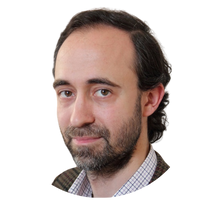
Juan F. Franck
See biography
Juan F. Franck holds a PhD in Philosophy from the Internationale Akademie für Philosophie (Liechtenstein). He currently teaches modern philosophy at the Universidad del Norte Santo Tomás de Aquino and is a researcher at the Institute of Philosophy at the Universidad Austral. His current area of focus is philosophical problems related to the cognitive sciences.
About ¿Determinismo o indeterminismo? Grandes preguntas de las ciencias a la filosofía
The book ¿Determinismo o indeterminismo? Grandes preguntas de las ciencias a la filosofía is the result of collaborative work between physicists, biologists, neuroscientists, philosophers and theologians from 15 universities and 6 countries. Between 2013 and 2015, the editors promoted several activities focused on the debate on determinism in nature, exploring epistemological and anthropological questions, as well as questions of meaning. This process opened scientific perspectives to the transdisciplinary insights of philosophy and theology. The result of these efforts is presented in this book. Each chapter was co-authored by a scientist and a philosopher, who continued the dialogue until an integrated piece of writing was achieved.
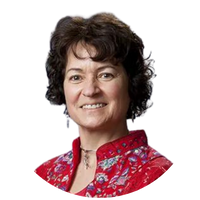
Darcia Narvaez
See biography
Darcia Narvaez is a Professor of Psychology at the University of Notre Dame and focuses on moral development from an interdisciplinary perspective. She is a member of the American Psychological Association and the American Educational Research Association. She is also the author of a popular blog for Psychology Today (“Moral Landscapes”).
About Neurobiology And The Development Of Human Morality: Evolution, Culture And Wisdom
Neurobiology and the Development of Human Morality: Evolution, Culture and Wisdom provides an evolutionary framework for the study of early childhood based on systems development theory, considering not only genetics but a wide range of environmental and epigenetic factors. It describes the neurobiological basis for the development of moral sentiments and reasoning, highlighting ethical functioning at different levels of complexity and context, and proposing a theory of the emergence of knowledge. Finally, it incorporates the socio-cultural orientations of our cousins and ancestors organized in hunter-gatherer societies – the general rule for 99% of human history – to rethink moral life, from the way we consider and organize childhood education to how to develop a response to a possible ecological collapse caused by human activity.
By integrating the latest in clinical science and positive psychology, Narvaez proposes a sensitivity based on ethical and ecological development to revise the way we think about our parenting and sociability. The techniques she describes point to an alternative vision of moral development: synthesizing traditional “top-down” models of executive knowledge with “primary” wisdom grounded in diverse systems of biological and cultural influence.
Teaching category

Michael Schuck
See biography
Michael Schuck is a Professor of Christian Ethics in the Department of Theology at Loyola University Chicago. He is also Co-Director of the International Jesuit Ecology Project, which has produced Healing Earth, an online handbook of environmental science, ethics, spirituality and action. In addition to environmental ethics, Michael teaches and researches in the areas of Roman Catholic thought, theology and philosophical ethics, religious ethics and social theory. Michael was the Founding Director of the Hank Center for Catholic Intellectual Heritage at Loyola University Chicago.
About Healing Earth
In 2012, Fr. Michael J. Garanzini, S.J., President of Loyola University Chicago, proposed a “living handbook” of environmental science that would provide a sound scientific understanding of the planet’s major environmental threats, while proposing an ethical and spiritual rationale and call to action. His vision has been developed in the form of a free online handbook that organically integrates science, ethics and faith and is easily accessible to anyone on the planet – especially the marginalized. This led to the creation of the International Jesuit Ecology Project, an initiative of a small group of scholars at Loyola University Chicago that quickly grew into a community of up to 160 participants (students, faculty, secondary school teachers, translators, technology specialists) from 20 countries.

Nancy Tuchman
See biography
Nancy Tuchman spent the first 14 years of her career as a Professor of Aquatic Ecology in the Department of Biology at Loyola University Chicago. In 2002–2003 she was Program Officer in the Ecosystem Studies Program at the National Science Foundation in Washington D.C., after which she returned to Loyola as Associate Vice-Chancellor for Research for five years (2004–08). In 2005, she founded and directed Loyola’s Center for Urban Environmental Research and Policy. From 2010 to 2013 she was Vice-Chancellor of the University before being appointed Founding Director of the Institute for Environmental Sustainability.
About Healing Earth
In 2012, Fr. Michael J. Garanzini, S.J., President of Loyola University Chicago, proposed a “living handbook” of environmental science that would provide a sound scientific understanding of the planet’s major environmental threats, while proposing an ethical and spiritual rationale and call to action. His vision has been developed in the form of a free online handbook that organically integrates science, ethics and faith and is easily accessible to anyone on the planet – especially the marginalized. This led to the creation of the International Jesuit Ecology Project, an initiative of a small group of scholars at Loyola University Chicago that quickly grew into a community of up to 160 participants (students, faculty, secondary school teachers, translators, technology specialists) from 20 countries.
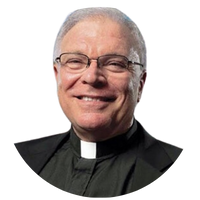
Michael Garanzini
See biography
Michael J. Garanzini, S.J. is Chancellor of Loyola University Chicago, a position he has held since 2015. Previously, he was the president of the same university for 14 years (since 2001). Since 2011, he has also been Secretary of Higher Education for the Society of Jesus appointed by Adolfo Nicolás, S.J., Superior General of the Society of Jesus. He has served in various capacities at several universities, including Professor of Psychology, Vice-President for Alumni Development, Academic Vice-President and Special Assistant to the President, among others.
About Healing Earth
In 2012, Fr. Michael J. Garanzini, S.J., President of Loyola University Chicago, proposed a “living handbook” of environmental science that would provide a sound scientific understanding of the planet’s major environmental threats, while proposing an ethical and spiritual rationale and call to action. His vision has been developed in the form of a free online handbook that organically integrates science, ethics and faith and is easily accessible to anyone on the planet – especially the marginalized. This led to the creation of the International Jesuit Ecology Project, an initiative of a small group of scholars at Loyola University Chicago that quickly grew into a community of up to 160 participants (students, faculty, secondary school teachers, translators, technology specialists) from 20 countries.

Laura Baritz
See biography
Sarolta Laura Baritz, an economist by training, traveled the world as a sales manager for Pepsi-Cola Hungary. However, the greatest journey of her life was made without leaving her city, practically without leaving her own flat.
Sarolta Baritz, a successful business executive, became Sister Laura, a Dominican nun. She gave away her possessions and moved to a convent. She had seven years to change her mind but gave up her secular life for good. She has since qualified as a professor of ethics and religion, teaches at Sapientia College and has earned a PhD in economics. In 2010 she founded the training program KETEG (Christian Social Principles in Economics) which connects ethics and religion with economics.
About The KETEG Teaching Program
KETEG (Christian Social Principles in Economics) is a community and a teaching program comprising believers from the Hungarian academic and business world. Its aim is to promote and disseminate economic and business thinking based on the principles and ethical virtues of the Social Doctrine of the Church (SDC), both in theory and in practice.
The original goal of the KETEG training program was to create an interdisciplinary connection between theology/philosophy and the economic and social sciences that would provide a new paradigm of socio-economic thinking as opposed to the dominant utilitarian perspective.
We are convinced that by teaching and acting according to this mindset and value system, based on a holistic approach to various sciences (with a particular emphasis on economics), we can contribute to the good of humanity and the sustainability of our world.
Special mentions
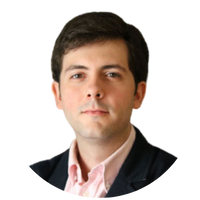
Arturo Encinas
See biography
Arturo Encinas Cantalapiedra is head of the Audiovisual Department at Apóstrofe Comunicación and a professor at the Faculty of Communication at Universidad Francisco de Vitoria.
About La enseñanza de la narración en videojuegos o cómo relatamos nuestra vida a través del videojuego
The educational project ‘La enseñanza de la narración en videojuegos o cómo relatamos nuestra vida a través del videojuego’ aims to guide future narrative designers of video games in their professional work, both from a technical point of view and from the perspective of the poetic truth of their video game creations.
Alberto Oliván
See biography
Alberto Oliván Tenorio is co-founder and narrative designer at Fictiorama Studios and professor of the University Degree in Video Game Creation and Narration at the Universidad Francisco de Vitoria.
About La enseñanza de la narración en videojuegos o cómo relatamos nuestra vida a través del videojuego
The educational project ‘La enseñanza de la narración en videojuegos o cómo relatamos nuestra vida a través del videojuego’ aims to guide future narrative designers of video games in their professional work, both from a technical point of view and from the perspective of the poetic truth of their video game creations.

Christopher Cook
Ver biografía
Professor Christopher Cook earned his University Degree in Medicine from St George’s Hospital Medical School in London (1981). He specialized in psychiatry and worked for 25 years in the field of substance misuse. He holds research PhDs in medicine and theology. His academic interests focus on spirituality, theology and health. In 2001, he was ordained an Anglican priest. He is an Honorary Minor Canon at Durham Cathedral and Honorary Consultant Psychiatrist to the Tees, Esk & Wear Valleys NHS Foundation Trust. Chris is a Professor of Spirituality, Theology and Health in the Department of Theology and Religion at Durham University. He is President of the British Association for the Study of Spirituality. His publications include the books The Philokalia and the Inner Life: On Passions and Prayer (2011), Spirituality, Theology & Mental Health (ed., 2013) and Spirituality and Narrative in Psychiatric Practice (eds Cook, Powell & Sims, 2016).
About MA in Spitiuality, Theology and Health
The MA in Spirituality, Theology & Health at Durham University is an interdisciplinary and interprofessional program that aims to train students in a holistic understanding of illness, health and wellbeing from a theological and scientific point of view. To the best of our knowledge, our training program is unique internationally, bringing together religious and health professionals, theologians and scientists to study together on the same project and in the same classroom. This interdisciplinary conversation is an opportunity for health professionals and scientists to raise their awareness of theological issues on the one hand, and for clergy and theologians to engage with some of the most important scientific issues on the other.